Korea Travel: Discovering the Best Buddhist Temples
South Korea’s Buddhist temples offer travelers a unique window into the country’s spiritual heritage and architectural brilliance. These sacred spaces, nestled among misty mountains and ancient forests, provide not just stunning photography opportunities but also moments of genuine tranquility in our increasingly hectic world. Whether you’re seeking spiritual enlightenment, cultural immersion, or simply breathtaking scenery, Korea’s Buddhist temples deliver an unforgettable experience that connects visitors with over 1,600 years of religious tradition.
From the colorful dancheong paintings adorning temple roofs to the rhythmic chanting of monks at dawn, each temple tells its own story while contributing to Korea’s rich Buddhist tapestry. The country is home to over 900 traditional temples, each offering distinct architectural styles, historical significance, and natural beauty that makes temple hopping one of the most rewarding travel experiences in East Asia.
The Magnificent Bulguksa Temple: A UNESCO World Heritage Wonder
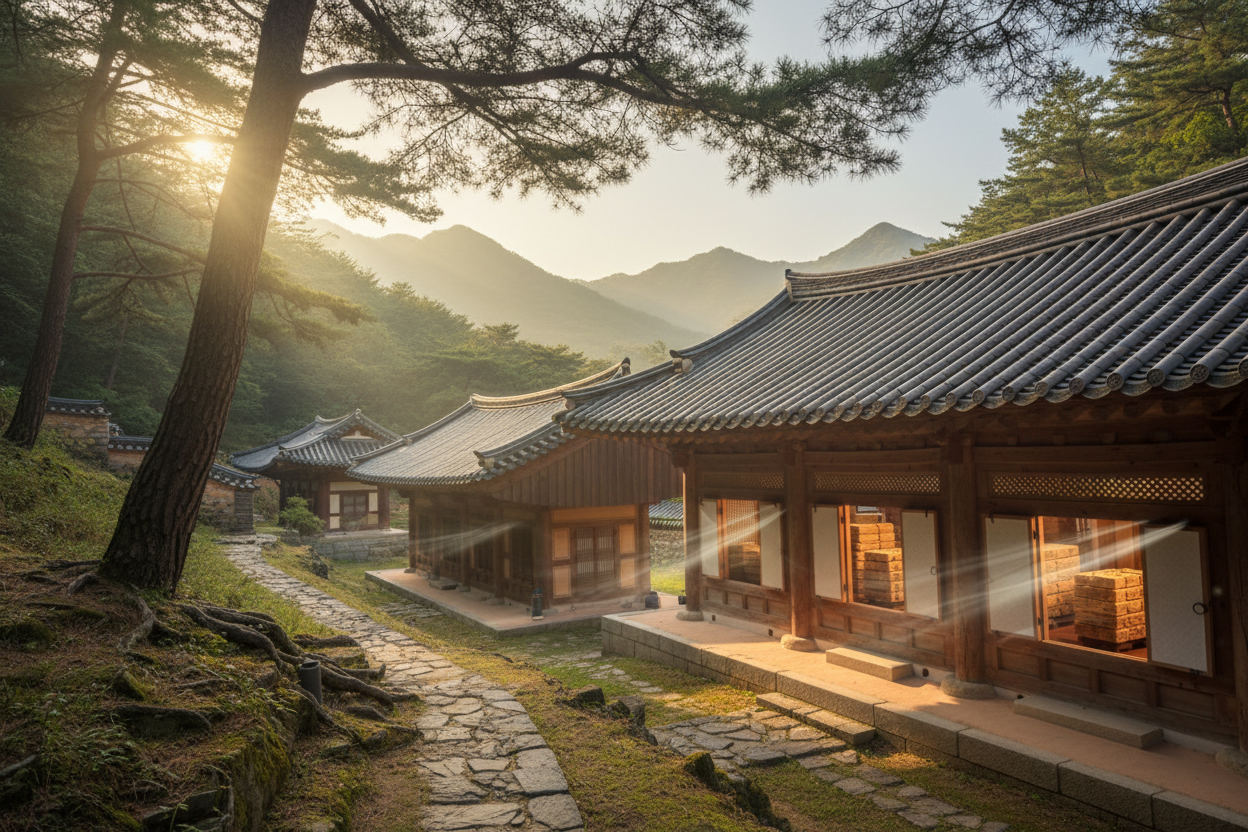
Located in Gyeongju, Bulguksa Temple stands as perhaps Korea’s most celebrated Buddhist sanctuary and for good reason. This 8th-century masterpiece represents the pinnacle of Silla Dynasty architecture and earned its UNESCO World Heritage status through its exceptional preservation and artistic significance. The temple’s name, meaning “Buddha Land Temple,” perfectly captures the ethereal atmosphere visitors experience upon entering its grounds.
What makes Bulguksa truly special isn’t just its age or status, but the incredible attention to detail in every stone bridge, pagoda, and hall. The Dabotap and Seokgatap pagodas, standing like ancient sentinels in the main courtyard, showcase the sophisticated stone-cutting techniques that Korean artisans perfected over a millennium ago. The temple’s stone staircases, including the famous Cheongungyo and Baegungyo bridges, demonstrate remarkable engineering that has withstood centuries of weather and warfare.
Visiting Bulguksa feels like stepping into a living museum where active worship continues alongside historical preservation. The morning prayers at 4:30 AM offer visitors a particularly moving experience, as the sound of wooden drums and bronze bells echoes through the mountain valleys surrounding the temple complex.
Haeinsa Temple: Guardian of Ancient Wisdom
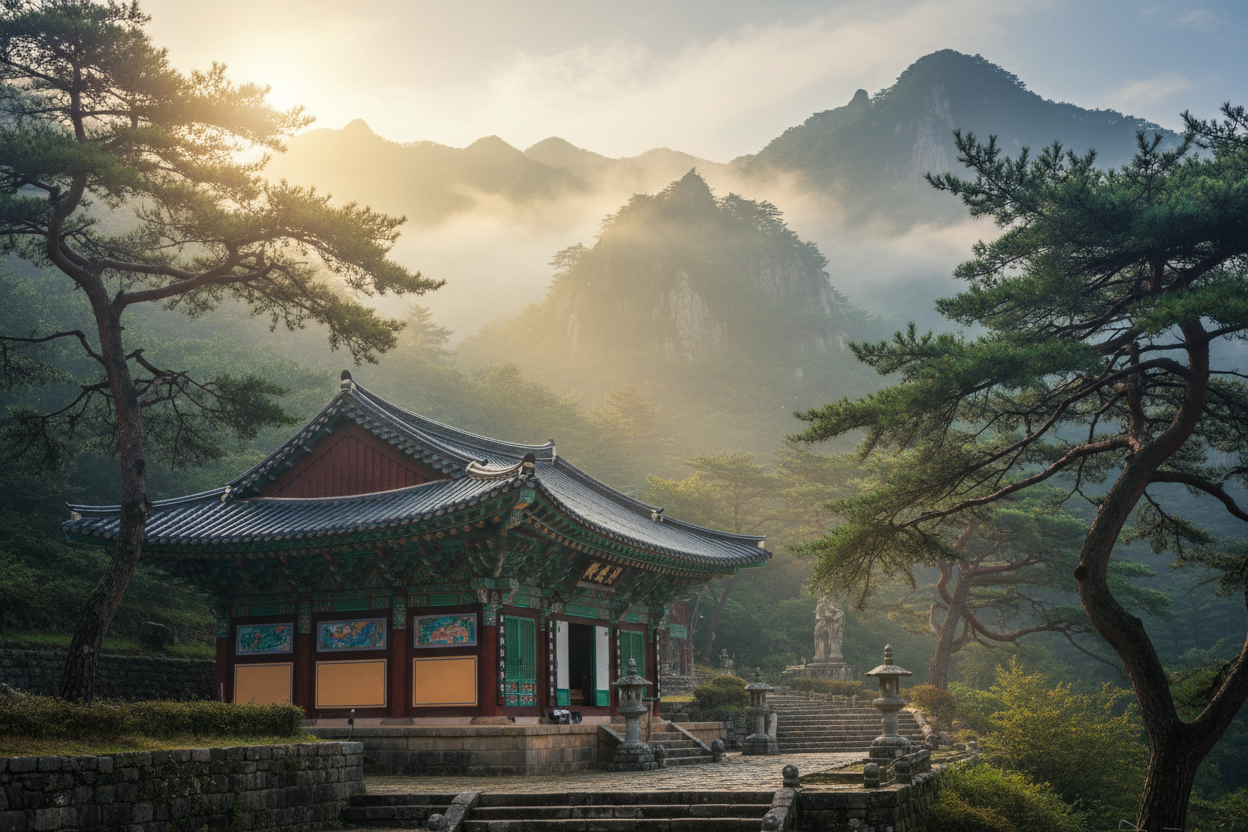
Nestled in the Gayasan Mountains, Haeinsa Temple serves as the repository for one of Buddhism’s most precious treasures: the Tripitaka Koreana. This collection of over 80,000 wooden printing blocks contains the complete Buddhist scriptures and represents the world’s most comprehensive and oldest intact version of Buddhist canon in Chinese characters.
The temple itself, founded in 802 AD, creates an atmosphere of scholarly devotion that’s palpable from the moment you climb the mountain path to reach its gates. The Janggyeong Panjeon buildings, which house the Tripitaka, demonstrate remarkable medieval engineering designed specifically for preserving these wooden treasures. The natural ventilation system, created through carefully positioned windows and doors, has kept the printing blocks in pristine condition for over 700 years without any modern climate control.
Beyond its historical significance, Haeinsa offers visitors some of Korea’s most spectacular mountain scenery. The temple grounds provide excellent hiking opportunities, and the changing seasons paint the surrounding forests in brilliant colors that frame the traditional architecture beautifully. Autumn visits are particularly rewarding when the maple and ginkgo trees create a golden canopy over the temple roofs.
Jogyesa Temple: Seoul’s Spiritual Heart
In the bustling heart of Seoul, Jogyesa Temple provides an oasis of calm that seems almost miraculous given its urban surroundings. As the headquarters of Korean Zen Buddhism, this temple plays a crucial role in modern Korean spiritual life while remaining accessible to international visitors seeking to understand contemporary Buddhist practice.
What strikes many visitors about Jogyesa is how seamlessly it integrates into Seoul’s urban landscape while maintaining its sacred character. The temple’s main hall, Daeungjeon, houses impressive Buddha statues and intricate ceiling paintings that demonstrate traditional Korean Buddhist art at its finest. The ancient locust trees in the courtyard, some over 500 years old, provide natural air conditioning and create a microclimate that feels worlds away from the surrounding city streets.
Jogyesa truly comes alive during Buddhist festivals, particularly during Buddha’s Birthday celebrations in May. The temple grounds transform into a sea of colorful lotus lanterns, and the evening ceremonies create an almost magical atmosphere that attracts both devout practitioners and curious tourists. The temple’s urban location makes it an ideal starting point for visitors new to Korean Buddhism, offering regular English-language programs and cultural experiences.
Beomeosa Temple: Busan’s Mountain Sanctuary
Perched on the slopes of Geumjeongsan Mountain overlooking Busan, Beomeosa Temple offers visitors a perfect combination of spiritual atmosphere and natural beauty. Founded in 678 AD, this temple has weathered numerous reconstructions while maintaining its essential character as a place of mountain meditation and Buddhist learning.
The approach to Beomeosa sets the tone for the entire visit. A gentle hiking trail winds through dense forest, gradually revealing glimpses of traditional Korean architecture nestled among the trees. The temple’s main gate, Iljumun, stands as one of Korea’s most photographed temple entrances, its massive wooden pillars and upturned eaves creating dramatic shadows throughout the day.
Inside the temple complex, the three-story stone pagoda and the main Buddha hall showcase different periods of Korean Buddhist architecture, creating an outdoor timeline of artistic development. The temple’s location provides excellent views over Busan and the surrounding mountains, making it a favorite destination for both spiritual seekers and hiking enthusiasts. The temple stay programs here offer particularly authentic experiences, allowing visitors to participate in daily monastic routines while enjoying the mountain setting.
Practical Tips for Temple Visiting
Visiting Korean Buddhist temples requires some cultural awareness and practical preparation to ensure respectful and enjoyable experiences. Most temples welcome visitors regardless of religious background, but following basic etiquette helps preserve the sacred atmosphere for everyone.
Dress modestly when visiting temples, covering shoulders and knees, and remove hats and sunglasses when entering temple buildings. Many temples provide information in English, but learning a few basic Korean phrases like “annyeonghaseyo” (hello) and “gamsahamnida” (thank you) shows respect for local culture. Photography is generally permitted in outdoor areas, but always check before taking pictures inside buildings, and never photograph monks without permission.
Transportation to mountain temples often involves a combination of public transit and hiking, so wear comfortable walking shoes and bring water, especially during summer months. Many temples offer temple stay programs that provide overnight accommodation and meals, giving visitors deeper insights into monastic life and Buddhist practice.
The Spiritual and Cultural Impact
Korean Buddhist temples offer more than architectural beauty and historical significance; they provide genuine opportunities for personal reflection and cultural understanding. The temple experience connects visitors with Korea’s spiritual foundations while offering respite from modern life’s constant stimulation.
Many international visitors report that temple visits become unexpected highlights of their Korean travels, providing insights into Korean values, aesthetics, and philosophy that enhance their understanding of contemporary Korean society. The temples demonstrate how traditional culture continues to thrive alongside rapid modernization, offering lessons in balance and continuity that resonate far beyond religious contexts.
The meditation practices, architectural harmony with natural settings, and emphasis on mindful living that characterize Korean Buddhist temples provide valuable perspectives for travelers from any cultural background. These visits often inspire deeper interest in Korean culture and sometimes lead to ongoing study of Buddhist philosophy and practice.
Conclusion: Temples as Gateways to Korean Culture
Korea’s Buddhist temples represent far more than tourist attractions; they serve as living repositories of Korean culture, spirituality, and artistic achievement. From Bulguksa’s UNESCO-recognized magnificence to Jogyesa’s urban accessibility, each temple offers unique insights into Korea’s Buddhist heritage while providing spaces for personal reflection and cultural discovery.
Whether you’re drawn by architectural interest, spiritual seeking, or simple curiosity about Korean culture, temple visits provide enriching experiences that deepen understanding of this fascinating country. The combination of natural beauty, historical significance, and ongoing spiritual practice creates environments where past and present merge seamlessly, offering visitors glimpses of Korea’s cultural soul.
Planning temple visits into your Korean itinerary ensures encounters with the country’s most profound cultural expressions while providing peaceful interludes between more hectic tourist activities. These sacred spaces remind us that some of humanity’s greatest achievements lie not in technological advancement but in creating environments that nurture the human spirit and preserve wisdom across generations.