
Galapagos Travel: Understanding the Impact of Volcanic Activity
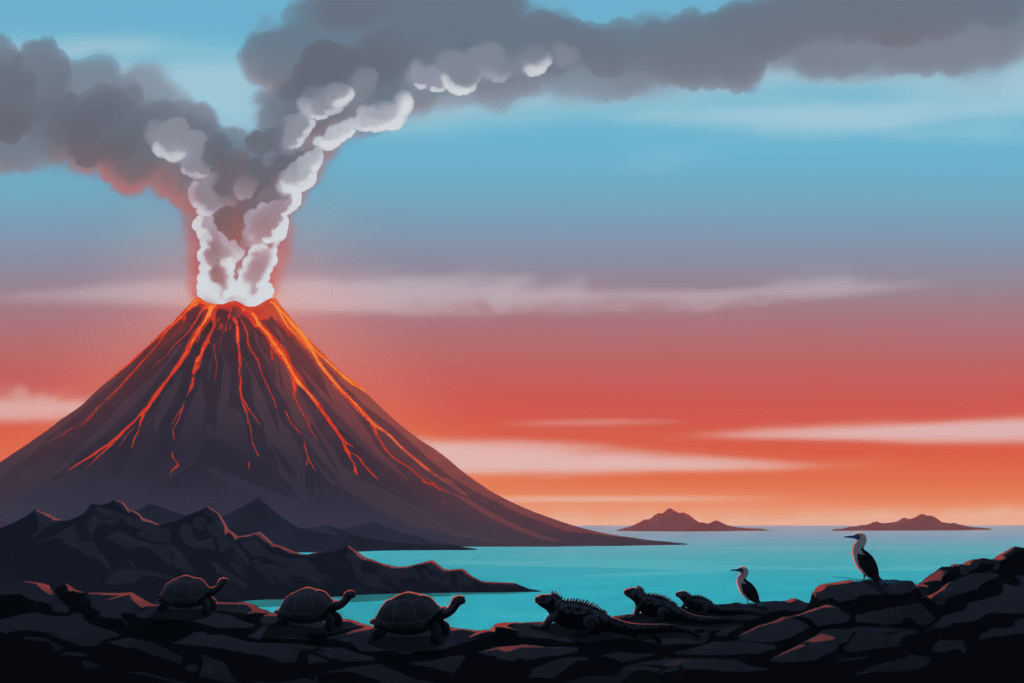
When Charles Darwin first set foot on the Galapagos Islands in 1835, he was walking on some of the most geologically active land on Earth. Today, nearly two centuries later, these volcanic islands continue to shape themselves through ongoing eruptions, creating new landscapes while transforming existing ones. For modern travelers planning a Galapagos adventure, understanding the archipelago’s volcanic nature isn’t just fascinating—it’s essential for making informed decisions about when to visit, what to expect, and how these geological forces continue to sculpt one of the world’s most extraordinary ecosystems.
The Galapagos Islands sit directly on top of a volcanic hotspot in the Pacific Ocean, making them one of the most volcanically active regions on the planet. This geological reality means that volcanic activity isn’t just part of the islands’ ancient history—it’s an ongoing process that continues to influence everything from wildlife habitats to travel accessibility. Whether you’re a geology enthusiast or simply someone who wants to understand what makes these islands so unique, grasping the relationship between volcanic activity and the Galapagos experience will deepen your appreciation for this UNESCO World Heritage site.
The Geological Foundation of Paradise
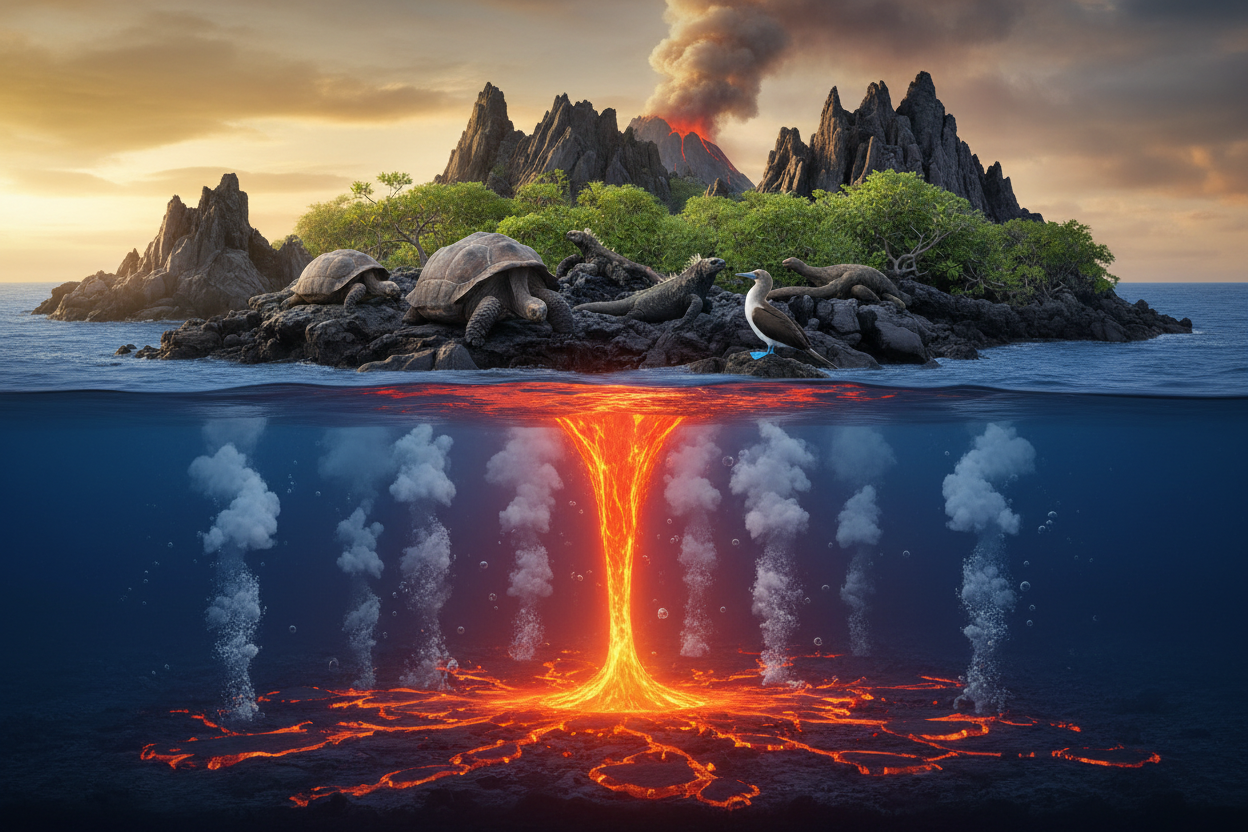
The Galapagos archipelago consists of 18 main islands, all born from volcanic activity over the past five million years. Unlike many volcanic regions around the world, the Galapagos sits on a hotspot—a stationary plume of hot rock rising from deep within the Earth’s mantle. As the Nazca tectonic plate moves eastward over this hotspot at about two inches per year, new volcanoes form while older ones drift away from the heat source and eventually become extinct.
This geological conveyor belt explains why the western islands, like Fernandina and western Isabela, remain highly active, while the eastern islands, such as San Cristobal and Española, show little to no recent volcanic activity. Isabela Island alone contains six major volcanoes, making it a living laboratory for understanding volcanic processes. The youngest islands continue to grow and change, sometimes dramatically, affecting both the wildlife that calls these islands home and the visitors who come to witness this evolutionary theater in action.
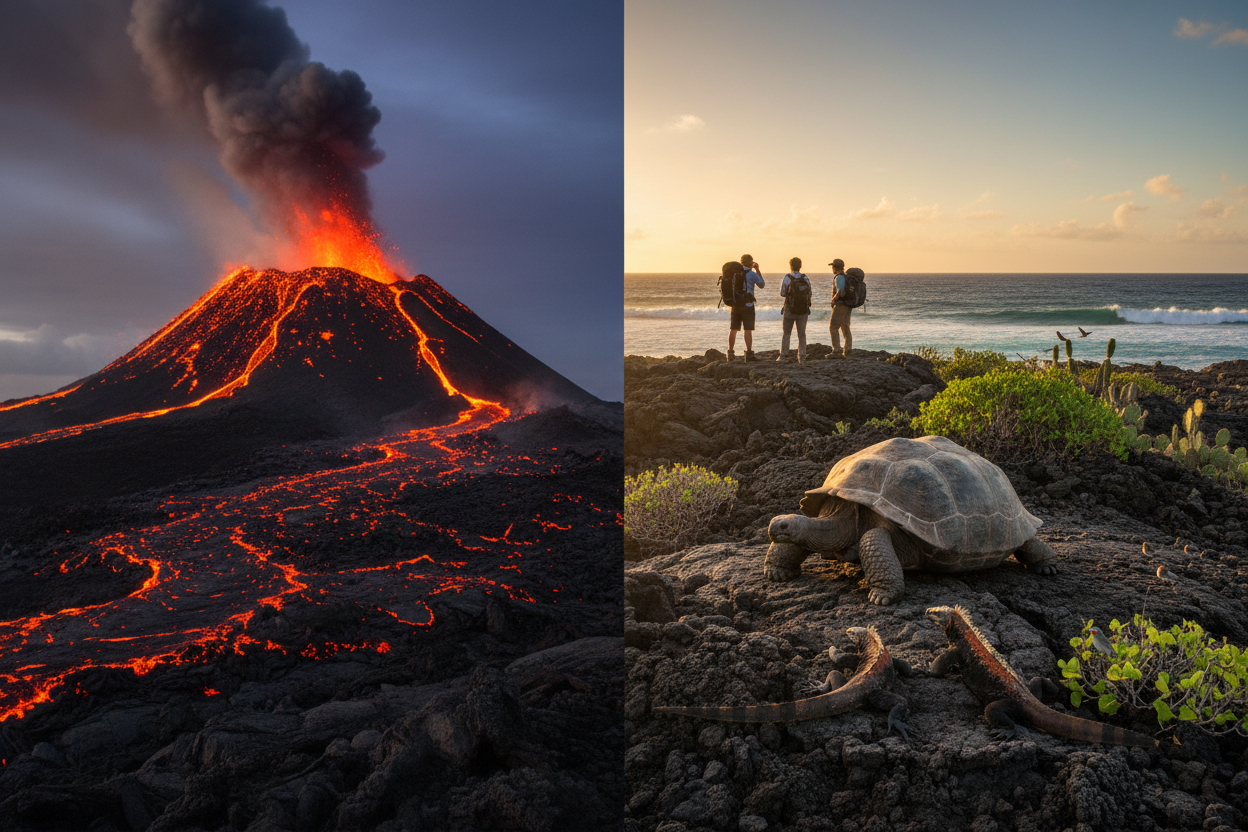
What makes Galapagos volcanism particularly interesting is the variety of volcanic features you can observe. From the perfectly formed crater of Sierra Negra—one of the largest volcanic craters in the world—to the otherworldly lava tubes on Santa Cruz Island, the archipelago offers an incredible diversity of volcanic landscapes. These features aren’t just geological curiosities; they’re active shapers of the unique microclimates and habitats that support the islands’ famous endemic species.
Recent Volcanic Events and Their Tourism Impact
Volcanic activity in the Galapagos isn’t a relic of the past—it’s very much a present reality. In recent decades, several significant eruptions have reminded visitors and residents alike that these islands are still very much under construction. The 2018 eruption of Sierra Negra volcano on Isabela Island created spectacular lava flows and temporary travel restrictions, while the 2005 eruption on Fernandina Island provided researchers with invaluable data about ongoing ecosystem development.
These events, while sometimes disruptive to travel plans, offer unique opportunities for visitors to witness geological processes in real-time. When Wolf volcano erupted in 2015, tour operators quickly adapted their itineraries to provide safe viewing opportunities from nearby islands and boats. The key for travelers is understanding that volcanic activity, when it occurs, is typically well-monitored by the Galapagos National Park authorities and international geological organizations.
Most volcanic activity in the Galapagos occurs on uninhabited islands or in remote areas of larger islands, minimizing direct impact on tourist infrastructure. However, ash clouds can occasionally affect flights, and lava flows might temporarily alter hiking trails or wildlife viewing areas. The Geophysical Institute of Ecuador continuously monitors volcanic activity across the archipelago, providing early warning systems that help ensure visitor safety while maintaining access to these incredible natural phenomena.
How Volcanic Activity Shapes Wildlife Habitats
The ongoing volcanic activity in the Galapagos creates a dynamic environment where evolution happens at an accelerated pace. Fresh lava flows provide blank canvases for new ecosystems to develop, while older volcanic soils support established communities of plants and animals. This constant renewal process is fundamental to understanding why the Galapagos harbors such extraordinary biodiversity in such a small area.
Different volcanic substrates create distinct microhabitats across the islands. The porous nature of young lava rock affects water retention and soil development, influencing which plants can establish themselves and, consequently, which animals can thrive in each area. On Fernandina Island, visitors can observe primary succession in action as pioneer species like lava cacti and mollugo slowly colonize recent lava flows.
Marine iguanas, perhaps the most iconic Galapagos species, have adapted to feed on algae that grows on volcanic rocks in the intertidal zone. The specific mineral composition of these rocks, shaped by underwater volcanic activity, influences the types of algae available and, in turn, affects iguana populations and behavior. Similarly, the famous Darwin’s finches have evolved different beak shapes partly in response to the varied food sources available on different volcanic terrains.
The thermal features associated with volcanic activity also create unique opportunities for wildlife. Sea turtles use warm volcanic sands for nesting, while marine life congregates around underwater volcanic vents that provide nutrient-rich waters. These connections between geological activity and biological diversity make every Galapagos visit a lesson in how Earth’s physical processes drive evolution and ecological adaptation.
Planning Your Visit Around Volcanic Considerations
Understanding volcanic activity patterns can help you plan a more informed and potentially more rewarding Galapagos experience. While major eruptions are relatively rare, smaller-scale volcanic activity occurs regularly throughout the year. The dry season, from June to December, generally offers clearer skies for viewing volcanic features, though the cooler temperatures of this period can also make hiking to volcanic sites more comfortable.
When booking your Galapagos adventure, consider including islands with different volcanic characteristics in your itinerary. A well-rounded visit might include the young, active volcanoes of western Isabela, the diverse volcanic landscapes of Santa Cruz, and the older, more weathered features of the eastern islands. This approach provides a comprehensive view of how volcanic activity shapes the archipelago over time.
Flexible planning is crucial when visiting an active volcanic region. While tour operators are experienced in adapting to volcanic activity, having some flexibility in your schedule can turn potential disruptions into unique opportunities. Some of the most memorable Galapagos experiences come from witnessing unexpected geological events or exploring areas recently affected by volcanic activity.
Consider packing appropriate gear for volcanic terrain exploration. Sturdy hiking boots with good grip are essential for walking on rough lava rock, while lightweight long pants can protect against sharp volcanic glass. A good camera with extra batteries is invaluable for capturing the dramatic landscapes that volcanic activity creates throughout the islands.
Safety Considerations and Current Monitoring Systems
Safety is paramount when exploring active volcanic regions, and the Galapagos has developed sophisticated systems to monitor volcanic activity and ensure visitor safety. The Galapagos National Park Service works closely with geological monitoring agencies to track seismic activity, gas emissions, and ground deformation across all active volcanoes in the archipelago.
Real-time monitoring stations throughout the islands provide continuous data on volcanic conditions, allowing authorities to issue timely warnings and adjust access restrictions as needed. These systems have proven highly effective in recent years, successfully managing visitor access during periods of increased activity while maintaining safety standards.
For travelers, staying informed about current volcanic conditions is straightforward. The Galapagos National Park website provides regular updates on volcanic activity and any resulting access restrictions. Tour operators are required to stay current with these conditions and will adjust itineraries accordingly. Most volcanic activity in the Galapagos poses minimal direct threat to visitors when proper precautions are followed.
Understanding basic volcanic hazards can help you make informed decisions during your visit. While explosive eruptions are rare in the Galapagos, visitors should be aware of potential hazards from lava flows, volcanic gases, and unstable ground near active craters. Following designated trails and heeding guide instructions are essential safety practices when exploring volcanic areas.
The Future of Galapagos Volcanism and Tourism
As our understanding of Galapagos volcanism continues to evolve, so too does our ability to predict and prepare for future activity. Advanced monitoring technologies and improved scientific understanding are making it increasingly possible to provide early warnings for significant volcanic events while maintaining safe access for visitors to witness these incredible natural processes.
Climate change and sea level rise add new dimensions to how volcanic activity might affect the Galapagos in coming decades. Rising seas could alter the interaction between volcanic landscapes and marine environments, potentially creating new habitats while threatening others. These changes will likely influence both wildlife populations and tourism infrastructure in ways that are still being studied and understood.
The growing field of volcano tourism, or “volcanotourism,” positions the Galapagos as a premier destination for travelers interested in active geological processes. This trend is driving innovations in how volcanic areas are presented to visitors, from improved safety protocols to enhanced educational programs that help travelers understand the connections between geological activity and ecosystem development.
Future developments in the Galapagos will need to balance the desire to share these incredible volcanic landscapes with visitors while protecting both the environment and human safety. Sustainable tourism practices that account for the dynamic nature of volcanic landscapes will be essential for ensuring that future generations can continue to experience the wonder of these living, breathing islands.
Conclusion
The volcanic heart of the Galapagos Islands beats with a rhythm that has shaped life on Earth for millions of years and continues to do so today. Understanding this geological foundation enhances every aspect of a Galapagos visit, from appreciating why certain species evolved in specific ways to understanding why some areas might be temporarily inaccessible due to recent activity.
Rather than viewing volcanic activity as a potential inconvenience, savvy travelers recognize it as an integral part of what makes the Galapagos extraordinary. These islands offer a rare opportunity to witness the fundamental processes that create and shape our planet, all while observing how life adapts and thrives in this dynamic environment.
As you plan your Galapagos adventure, embrace the volcanic nature of these islands. Stay informed about current conditions, pack appropriately for volcanic terrain, and maintain the flexibility to adapt to changing circumstances. Most importantly, prepare to be amazed by the raw power of geological forces and their profound influence on one of the world’s most remarkable ecosystems. The Galapagos Islands don’t just tell the story of evolution—they’re actively writing new chapters every day, with volcanic activity serving as both author and editor in this ongoing tale of life on Earth.