Antarctica Travel: A Guide to the Best Ice Climbing Adventures for Thrill-Seekers
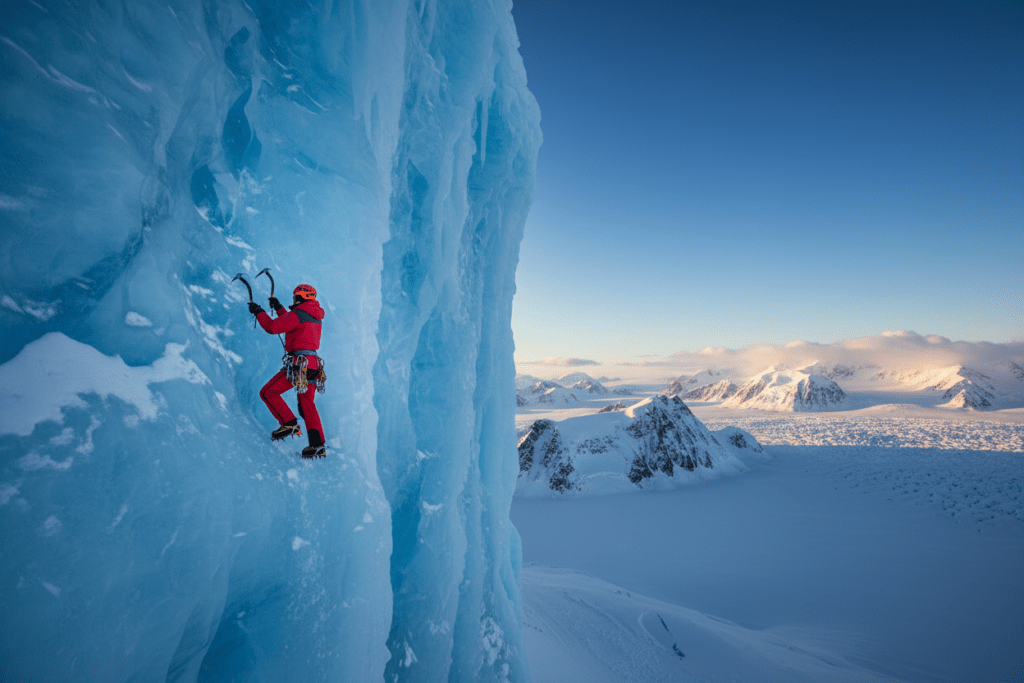
Picture yourself standing at the edge of the world, where crystalline ice formations stretch toward an endless polar sky. Antarctica isn’t just a destination for scientists and wildlife enthusiasts anymore – it’s become the ultimate playground for adventurous ice climbers seeking the most extraordinary vertical challenges on Earth. If you’ve mastered ice climbing in the Alps or conquered frozen waterfalls in Canada, it’s time to set your sights on the White Continent for an experience that will redefine your understanding of adventure.
Ice climbing in Antarctica offers something you simply cannot find anywhere else: pristine, untouched ice formations that have been sculpted by nature over thousands of years, combined with the raw, untamed beauty of the planet’s most remote wilderness. This comprehensive guide will walk you through everything you need to know about planning your Antarctic ice climbing expedition, from the best locations to essential gear and safety considerations.
Why Antarctica is the Ultimate Ice Climbing Destination
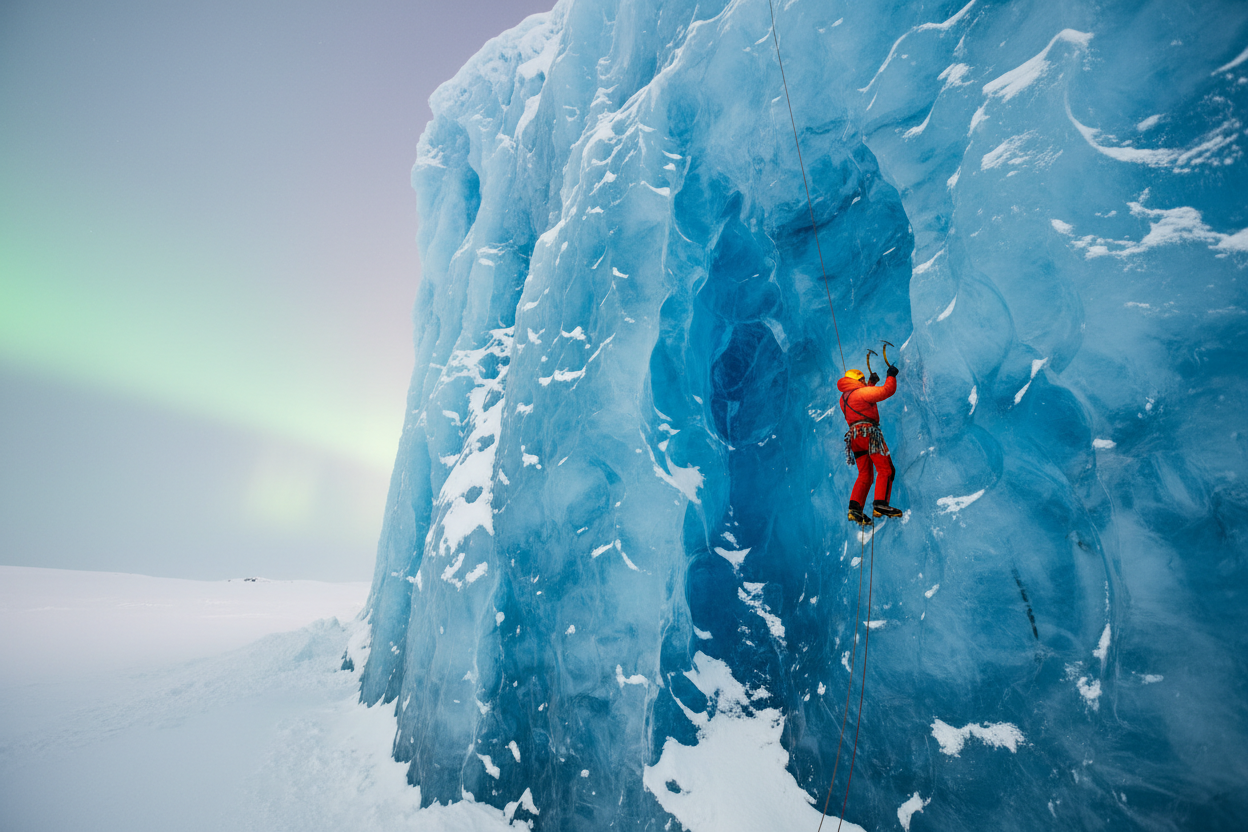
Antarctica presents ice climbing opportunities that exist nowhere else on our planet. The continent’s unique climate creates ice formations of exceptional quality and diversity – from towering seracs and crevasse walls to massive icefall systems that challenge even the most experienced climbers. The ice here is often hundreds or thousands of years old, creating incredibly stable and reliable climbing surfaces.
What sets Antarctic ice climbing apart is the sheer scale and pristine nature of the environment. You’ll find yourself climbing routes that no human has ever touched, surrounded by landscapes so pristine they feel almost alien. The 24-hour daylight during the Antarctic summer means you can climb at your own pace without worrying about losing daylight, though weather windows remain crucial for safety.
The psychological aspect of ice climbing in Antarctica cannot be overstated. There’s something profoundly moving about testing your skills against ice that formed when woolly mammoths still roamed the Earth, all while being completely isolated from the rest of civilization. Many climbers describe their Antarctic expeditions as life-changing experiences that put their other adventures into perspective.
Top Ice Climbing Locations in Antarctica
Antarctic Peninsula: The Gateway to Ice Adventure
The Antarctic Peninsula serves as the most accessible entry point for ice climbing adventures, offering a diverse range of climbing opportunities suitable for various skill levels. The peninsula’s relatively mild climate – if you can call temperatures hovering around freezing “mild” – makes it an ideal starting point for first-time Antarctic visitors.
Paradise Bay stands out as a premier destination, featuring spectacular ice walls and seracs that provide both challenging technical climbs and more moderate routes for building confidence. The bay’s protected waters mean that expedition ships can anchor safely while climbers explore the surrounding ice formations. The climbing here ranges from straightforward ice steps perfect for warming up to steep, technical walls that will test your advanced techniques.
Lemaire Channel, often called “Kodak Gap” for its photogenic qualities, offers some of the most visually stunning ice climbing in Antarctica. The narrow channel is flanked by towering peaks and massive glaciers that calve directly into the sea, creating constantly changing ice formations. Climbers here can tackle everything from gentle glacier travel to challenging ice wall ascents.
Ross Island: Technical Challenges in the Trans-Antarctic Mountains
For experienced climbers seeking serious technical challenges, Ross Island delivers world-class ice climbing opportunities in one of Antarctica’s most dramatic settings. Mount Erebus, the continent’s most active volcano, creates unique ice formations as its heat interacts with the polar environment.
The ice caves and formations around Ross Island are legendary among serious ice climbers. These aren’t your typical frozen waterfalls – they’re complex, multi-pitch routes that require advanced technical skills and extensive expedition experience. The isolation here is absolute; you’re truly at the edge of human exploration.
Climbing on Ross Island requires exceptional preparation and self-sufficiency. Weather conditions can change rapidly, and rescue options are extremely limited. However, for those prepared for the challenge, the rewards include some of the most pristine and technically demanding ice climbing routes on Earth.
South Georgia Island: Sub-Antarctic Ice Climbing Paradise
While technically sub-Antarctic, South Georgia Island deserves mention for its incredible ice climbing opportunities. The island’s numerous glaciers and ice fields provide excellent climbing in a slightly more forgiving environment than the main continent.
The Nordenskjold Glacier and surrounding peaks offer multi-day climbing expeditions with the added bonus of incredible wildlife viewing. Imagine completing a challenging ice climb and then watching thousands of king penguins go about their daily routines just meters away. South Georgia provides a unique blend of serious mountaineering and natural history that’s impossible to find elsewhere.
Essential Gear for Antarctic Ice Climbing
Ice climbing in Antarctica demands the absolute best equipment, as gear failure in such a remote location could be catastrophic. Your gear list needs to account not only for the climbing itself but also for the extreme cold, high winds, and complete isolation from any rescue services.
Your ice climbing tools should be top-quality, cold-weather rated equipment. Standard ice axes and crampons that work fine in temperate climates may become brittle or malfunction in Antarctic conditions. Many experienced Antarctic climbers recommend bringing backup tools for every critical piece of equipment. Your climbing rope should be dry-treated and rated for extreme cold conditions.
Clothing systems become absolutely critical in Antarctica. You’ll need a sophisticated layering system that can handle temperatures from just below freezing during active climbing to potentially -40°F during rest periods or weather delays. High-quality base layers, insulating mid-layers, and a bomber shell system are non-negotiable. Don’t forget that your extremities are most vulnerable – invest in the best cold-weather gloves, boots, and face protection available.
Emergency and safety gear takes on paramount importance in Antarctica. GPS devices, satellite communication equipment, and comprehensive first aid supplies aren’t just recommended – they’re essential for survival. Many expeditions also carry specialized cold-weather camping gear, as weather delays can extend trips significantly beyond their planned duration.
Planning Your Antarctic Ice Climbing Expedition
Planning an Antarctic ice climbing expedition requires starting your preparations at least 12-18 months in advance. The logistics of reaching Antarctica are complex, and spaces on expedition ships fill up quickly, especially for specialized adventure travel.
Most ice climbing adventures in Antarctica are accessed via expedition cruise ships that depart from Ushuaia, Argentina, or occasionally from New Zealand for Ross Sea expeditions. These ships typically offer 10-21 day itineraries that combine ice climbing opportunities with wildlife viewing and other Antarctic experiences. Some operators specialize in adventure travel and can provide more focused climbing itineraries.
The timing of your expedition is crucial. The Antarctic climbing season runs from November through February, with December and January generally offering the most stable weather conditions. However, each month has its advantages – November can offer more pristine ice conditions, while February might provide better weather windows but potentially more challenging ice conditions due to summer warming.
Physical preparation cannot be overstated. Antarctic ice climbing demands exceptional fitness and technical skills. You should be comfortable with advanced ice climbing techniques, self-rescue procedures, and cold-weather camping before considering an Antarctic expedition. Many climbers spend months training specifically for their Antarctic adventure, focusing on both technical skills and cold-weather endurance.
Safety Considerations and Risk Management
Safety in Antarctic ice climbing operates on an entirely different level than climbing in more accessible locations. The combination of extreme remoteness, harsh weather conditions, and limited rescue capabilities means that prevention and self-sufficiency are your primary safety strategies.
Weather awareness becomes absolutely critical. Antarctic weather can change from calm and clear to life-threatening conditions in minutes. Understanding weather patterns, recognizing warning signs, and having solid contingency plans can mean the difference between an epic adventure and a survival situation. Always climb with experienced guides who understand local conditions and have established safety protocols.
Crevasse safety requires special attention in Antarctica. Many of the most spectacular ice climbing opportunities involve glacier travel, where hidden crevasses pose constant threats. Proper rope team techniques, crevasse rescue skills, and route-finding abilities are essential. Never travel on glaciated terrain without proper safety protocols, regardless of how stable conditions appear.
Communication and emergency planning take on paramount importance. Satellite communication devices should be considered mandatory equipment, and your expedition should have detailed emergency action plans. Remember that rescue in Antarctica can take days or even weeks, depending on weather conditions and your location.
Environmental Responsibility and Conservation
Ice climbing in Antarctica comes with significant environmental responsibilities. The Antarctic environment is incredibly fragile, and the impact of human activities can persist for decades or longer. Following Leave No Trace principles isn’t just good practice – it’s essential for preserving this pristine wilderness for future generations.
The Antarctic Treaty System governs all activities on the continent, and ice climbing expeditions must comply with strict environmental protocols. This includes proper waste management, minimal impact camping techniques, and respecting wildlife protection zones. Many areas require special permits for access, and some locations may be off-limits entirely to protect sensitive ecosystems.
Climate change adds urgency to environmental considerations. The ice formations that make Antarctic climbing so spectacular are changing rapidly due to global warming. By choosing responsible operators and following strict environmental guidelines, climbers can help ensure that future generations will have the opportunity to experience these incredible landscapes.
Conclusion: Embracing the Ultimate Ice Climbing Challenge
Antarctic ice climbing represents the pinnacle of adventure travel, offering experiences that push the boundaries of what’s possible in outdoor recreation. The combination of world-class ice climbing, pristine wilderness, and absolute remoteness creates adventures that will fundamentally change your perspective on what it means to explore our planet.
While the challenges are significant – from the extensive planning and preparation required to the serious safety considerations and environmental responsibilities – the rewards are equally extraordinary. Standing atop an ice formation that took millennia to create, surrounded by one of Earth’s last great wildernesses, provides a sense of accomplishment and connection to the natural world that few other experiences can match.
If you’re ready to take your ice climbing to the ultimate level, start planning your Antarctic expedition today. Remember that this isn’t just another climbing trip – it’s a journey to one of the last frontiers on Earth, where every step takes you further into the unknown and every climb connects you more deeply to the incredible power and beauty of our planet’s most remote wilderness. The ice is calling, and Antarctica awaits those bold enough to answer.