Antarctica Travel: A Guide to the Most Scenic Icebergs
Antarctica stands as Earth’s final frontier, a pristine wilderness where nature sculpts masterpieces from ice and wind. For adventurous travelers seeking the ultimate bucket-list experience, witnessing Antarctica’s magnificent icebergs offers an encounter with some of the planet’s most breathtaking natural wonders. These floating cathedrals of ice tell stories spanning thousands of years, creating an ever-changing gallery that few humans will ever witness firsthand.
Planning an Antarctic expedition to see these spectacular ice formations requires careful consideration, proper timing, and understanding of what makes each iceberg unique. From towering tabular bergs stretching for miles to intricately carved pinnacle icebergs resembling abstract sculptures, Antarctica’s frozen landscape offers experiences that will forever change your perspective on our planet’s raw beauty.
Understanding Antarctica’s Iceberg Types and Formation
Before embarking on your Antarctic adventure, understanding the different types of icebergs enhances your appreciation of these natural wonders. Antarctica produces several distinct iceberg categories, each with unique characteristics that make them photographically stunning and scientifically fascinating.
Tabular icebergs represent the most iconic Antarctic ice formations. These massive, flat-topped giants can stretch for dozens of miles and tower hundreds of feet above the ocean surface. Born from ice shelves along Antarctica’s coastline, tabular icebergs maintain their rectangular shape for years as they drift through the Southern Ocean. The famous A68 iceberg, which calved from the Larsen C ice shelf in 2017, measured over 2,200 square miles when it first broke free.
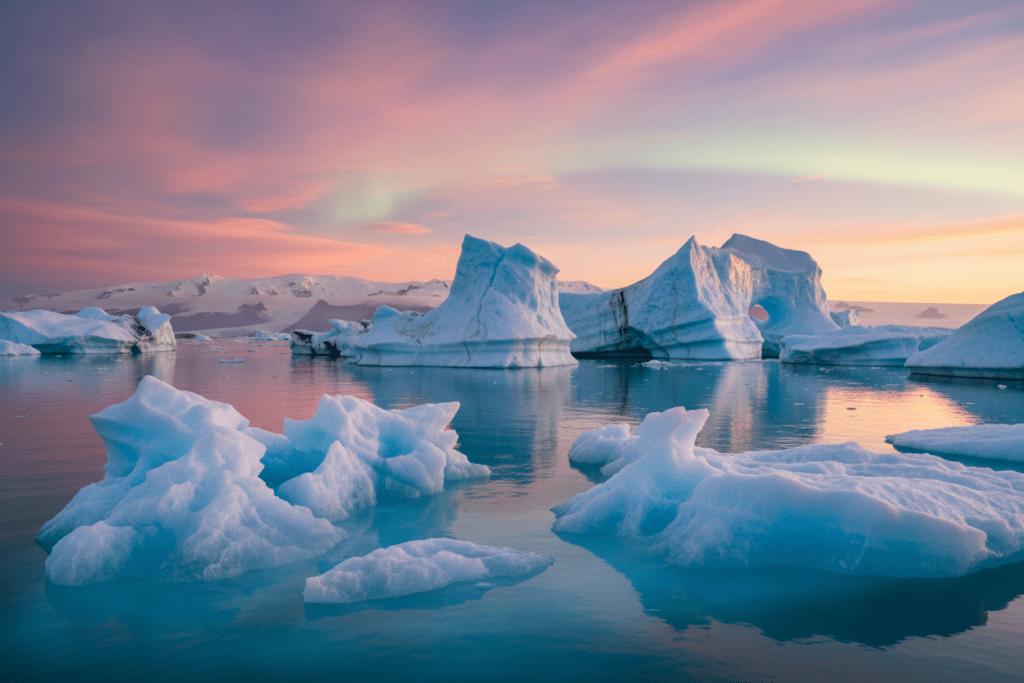
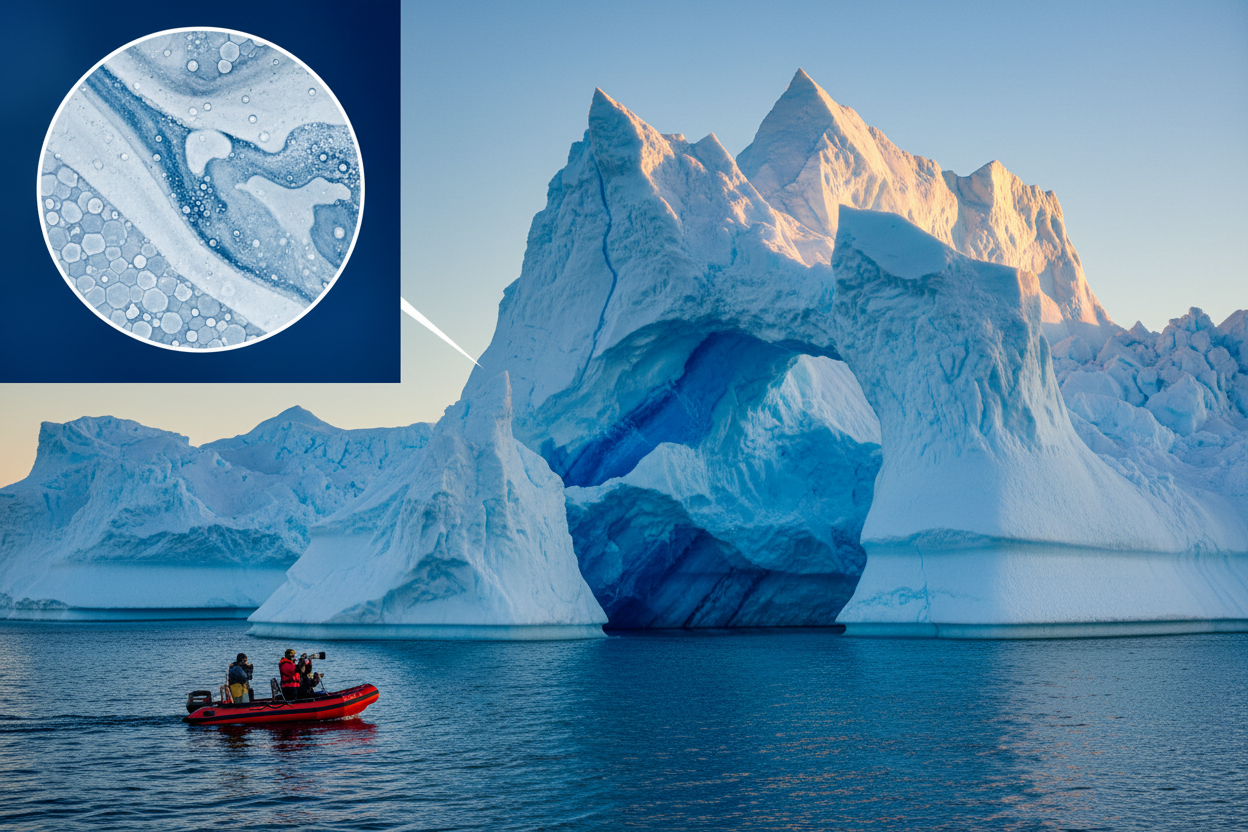
Non-tabular icebergs create Antarctica’s most artistic displays. These irregular formations develop through weathering and melting, creating arches, spires, and caves that seem almost too beautiful to be real. Pinnacle icebergs rise like frozen skyscrapers from the sea, while dome-shaped bergs resemble massive igloos crafted by nature herself.
The formation process begins thousands of years ago when snow accumulates on Antarctica’s interior, gradually compressing into glacial ice. This ancient ice eventually flows toward the coast, where it forms ice shelves extending over the ocean. When chunks break away through a process called calving, icebergs begin their journey through Antarctic waters, constantly changing shape as they encounter warmer temperatures and ocean currents.
Best Times and Locations for Iceberg Viewing
Timing your Antarctic expedition correctly maximizes your chances of encountering spectacular icebergs while ensuring safe travel conditions. The Antarctic summer season, running from November through March, offers the only viable window for most travelers to visit this remote continent.
November marks the beginning of the tourist season when sea ice begins breaking up, creating pathways for expedition ships. During this early summer period, you’ll encounter fresh icebergs with crisp, defined edges and brilliant white coloration. The extended daylight hours provide excellent photography opportunities, with the sun remaining above the horizon for up to 20 hours daily in some regions.
December and January represent peak iceberg season, offering the most reliable weather conditions and greatest variety of ice formations. During these months, warmer temperatures create more dynamic iceberg shapes as melting and erosion accelerate the sculpting process. This period also provides the best chances of witnessing dramatic calving events, where new icebergs break away from glaciers and ice shelves.
February and March showcase icebergs in their most artistic forms. Months of weathering create intricate patterns, holes, and unusual shapes that photographers dream about capturing. The slightly warmer temperatures during late summer also mean more wildlife activity around icebergs, as seals, penguins, and whales take advantage of the ice-free waters.
The Antarctic Peninsula remains the most accessible region for iceberg viewing, with the Weddell Sea and Gerlache Strait offering particularly spectacular displays. The Ross Sea region provides opportunities to see some of the world’s largest tabular icebergs, while the more remote areas like East Antarctica reward intrepid travelers with pristine iceberg fields rarely seen by human eyes.
Planning Your Antarctic Iceberg Adventure
Organizing an Antarctic expedition requires advance planning, typically booking 12-18 months ahead for the best cabin selections and itineraries. Most travelers reach Antarctica through expedition cruises departing from Ushuaia, Argentina, though some opt for flights to the continent followed by ship-based exploration.
Expedition cruise ships designed for polar travel offer the most comprehensive iceberg viewing experiences. These vessels feature ice-strengthened hulls, zodiac boats for close-up exploration, and expert guides who can navigate safely among the ice formations. Ships typically carry 50-200 passengers, ensuring intimate experiences while maintaining safety standards required for Antarctic travel.
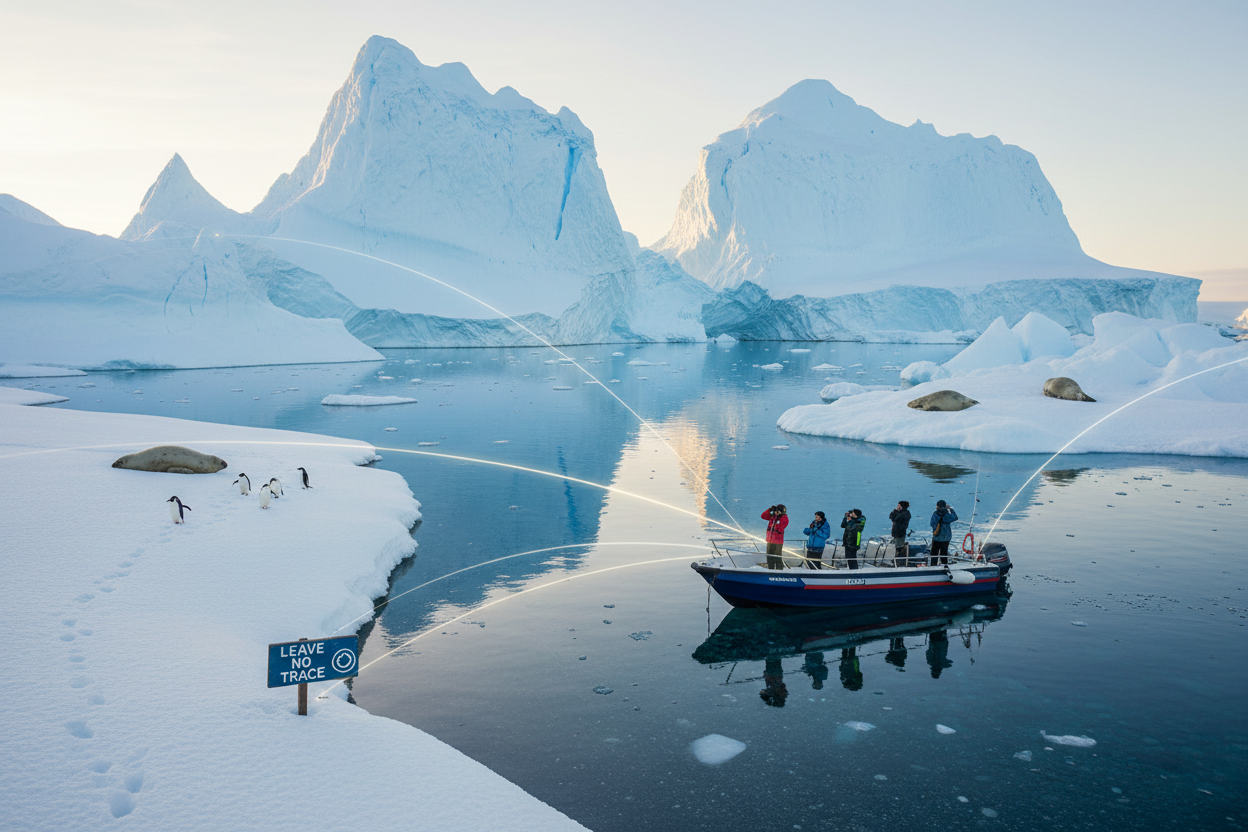
When selecting your expedition, consider itineraries that emphasize iceberg viewing opportunities. Some cruises focus on wildlife encounters, while others prioritize scenic ice formations and geological features. Look for expeditions that include zodiac excursions, as these small boats allow you to approach icebergs closely while maintaining safe distances from potentially unstable ice.
Photography equipment deserves special attention when planning your trip. Antarctica’s bright conditions and reflective ice surfaces create challenging lighting situations that require proper camera settings and protective gear. Waterproof cases, extra batteries, and lens cloths become essential items when photographing icebergs from zodiac boats or ship decks.
Physical preparation shouldn’t be overlooked, even though most iceberg viewing occurs from ships or boats. Antarctic conditions can be demanding, with cold temperatures, strong winds, and wet conditions during zodiac excursions. Building stamina and ensuring you can handle several hours outdoors in challenging weather will enhance your overall experience.
Safety Considerations When Viewing Icebergs
Antarctic iceberg viewing requires strict adherence to safety protocols, as these massive ice formations pose significant risks to both vessels and individuals. Understanding these dangers helps ensure your expedition remains memorable for all the right reasons.
Iceberg instability represents the primary concern when approaching these formations. As icebergs melt and shift, their center of gravity changes, potentially causing sudden rolling or collapse. Experienced expedition leaders maintain safe distances from icebergs, typically staying at least 150 feet away from any ice formation. This buffer zone accounts for underwater ice extensions that can stretch far beyond what’s visible above the surface.
Weather conditions in Antarctica change rapidly, turning calm seas into dangerous situations within hours. Expedition teams constantly monitor weather forecasts and ice conditions, sometimes altering itineraries to ensure passenger safety. Flexibility becomes crucial when planning your Antarctic adventure, as the continent’s unpredictable nature may require schedule adjustments.
Zodiac boat operations around icebergs follow strict protocols established through decades of polar exploration experience. Certified boat drivers understand ice behavior, ocean currents, and weather patterns that affect safe navigation. Passengers receive comprehensive safety briefings covering proper zodiac boarding procedures, emergency protocols, and behavioral guidelines around wildlife and ice formations.
Personal safety equipment provided by expedition companies includes waterproof outer layers, life jackets, and emergency communication devices. Many operators also provide specialized boots and gloves designed for Antarctic conditions. Following guide instructions without exception ensures not only your safety but also the safety of fellow travelers and crew members.
Photography Tips for Capturing Antarctic Icebergs
Photographing Antarctic icebergs presents unique challenges and extraordinary opportunities for creating stunning images. The continent’s extreme conditions require technical knowledge and creative vision to capture the true majesty of these ice formations.
Lighting conditions in Antarctica differ dramatically from typical photography environments. The combination of bright snow, reflective ice surfaces, and extended daylight hours creates exposure challenges that can fool even sophisticated camera meters. Manual exposure control becomes essential, with most photographers slightly underexposing images to preserve detail in bright ice surfaces while maintaining color saturation in the sky and water.
Composition techniques that work well for iceberg photography include using the rule of thirds to position icebergs within the frame, incorporating foreground elements like zodiac boats or wildlife to provide scale, and capturing both wide landscape shots and intimate detail images of ice textures and formations. The contrast between the pure white ice and deep blue ocean creates natural color harmony that enhances any composition.
Protecting camera equipment from Antarctic conditions requires weatherproof housings, lens hoods to prevent water spots, and methods for preventing condensation when moving between cold outdoor conditions and heated ship interiors. Many photographers use silica gel packets in camera bags and allow equipment to gradually adjust to temperature changes.
Golden hour photography in Antarctica extends much longer than in other locations due to the sun’s low angle throughout the day. This extended period of warm light creates opportunities for dramatic iceberg silhouettes and enhances the blue coloration within ice formations. Early morning and late evening often provide the most spectacular lighting conditions for iceberg photography.
Wildlife Encounters Around Antarctic Icebergs
Antarctic icebergs serve as crucial habitat and resting platforms for the continent’s remarkable wildlife, creating opportunities for unforgettable animal encounters during your expedition. These ice formations attract diverse species that have adapted to thrive in one of Earth’s most extreme environments.
Crabeater seals frequently haul out onto flat icebergs, using these floating platforms for resting and nursing their pups. Despite their name, these seals primarily feed on krill rather than crabs, and their presence often indicates rich feeding areas nearby. Leopard seals, Antarctica’s apex predators, patrol waters around icebergs hunting for penguins and other seals, creating dramatic wildlife viewing opportunities for lucky observers.
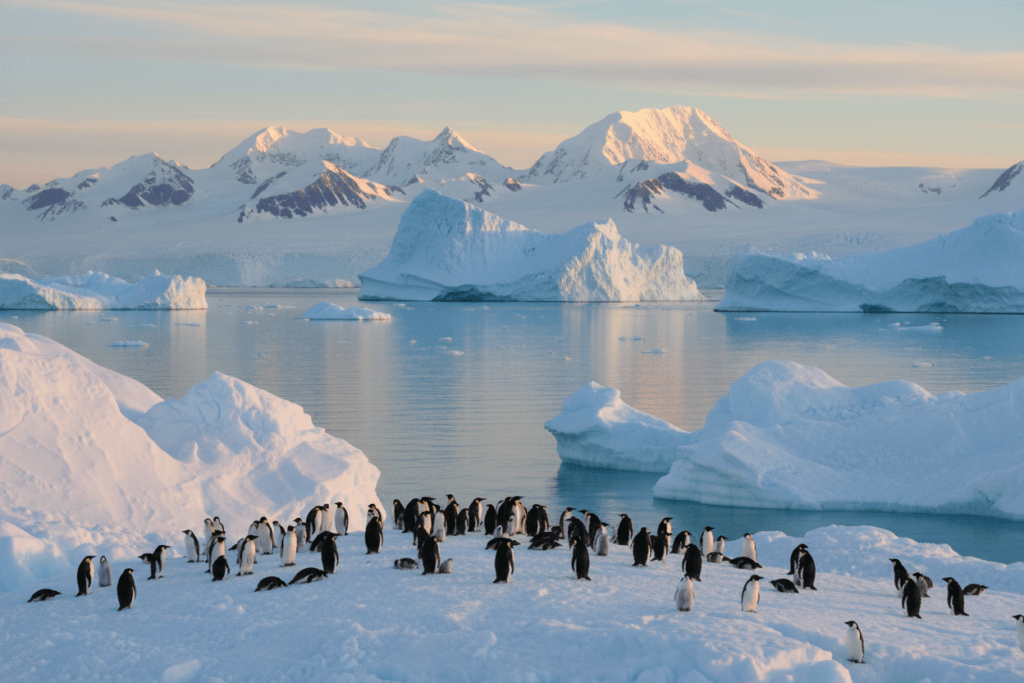
Adelie and chinstrap penguins utilize icebergs as temporary resting spots during long swimming journeys between feeding areas and nesting colonies. Watching these charismatic birds porpoise through icy waters before launching themselves onto iceberg surfaces provides endless entertainment and photography opportunities. Emperor penguins, though less commonly seen during typical expedition seasons, occasionally appear near icebergs in certain regions.
Whale species including humpback, minke, and orca whales frequent areas with high iceberg concentrations, attracted by the abundant krill populations that thrive in nutrient-rich polar waters. These massive marine mammals often surface near icebergs, creating spectacular scenes as they feed in the shadow of towering ice formations. Orca pods sometimes coordinate hunting strategies around icebergs, demonstrating the intelligence and adaptability of these remarkable predators.
Seabirds such as snow petrels, Antarctic petrels, and skuas nest on nunataks and coastal areas but frequently forage near icebergs where marine life congregates. These aerial acrobats provide dynamic movement and life to otherwise static iceberg landscapes, often serving as the perfect foreground subjects for photography compositions.
Environmental Impact and Conservation
Visiting Antarctica’s icebergs comes with significant environmental responsibilities, as this pristine wilderness faces increasing pressure from climate change and human activity. Understanding your role in conservation efforts enhances the meaningfulness of your expedition while helping preserve this incredible environment for future generations.
Climate change dramatically affects Antarctic iceberg formation and behavior, with warming temperatures accelerating ice shelf collapse and altering traditional iceberg patterns. Scientists closely monitor these changes, and expedition travelers often contribute to citizen science projects by reporting iceberg locations, sizes, and characteristics. This data helps researchers understand how rapidly Antarctica’s ice systems are changing.
The International Association of Antarctica Tour Operators (IAATO) establishes strict guidelines for responsible tourism practices around icebergs and throughout Antarctica. These protocols limit group sizes, restrict approach distances to wildlife and ice formations, and require comprehensive waste management procedures. Choosing IAATO-certified expedition operators ensures your trip adheres to the highest environmental standards.
Leave No Trace principles become especially critical in Antarctica’s fragile ecosystem. Every piece of equipment, waste material, and even organic matter like food scraps must be carefully managed to prevent environmental contamination. The Antarctic Treaty System designates the entire continent as a natural reserve devoted to peace and science, making conservation a legal as well as ethical imperative.
Carbon offset programs offered by many expedition companies help mitigate the environmental impact of traveling to such a remote destination. While Antarctic expeditions require significant fuel consumption for ships and flights, supporting renewable energy projects and conservation initiatives can help balance your expedition’s carbon footprint.
Conclusion
Antarctica’s icebergs represent some of our planet’s most magnificent natural sculptures, offering travelers experiences that transcend typical tourism and enter the realm of life-changing adventure. From massive tabular bergs that dwarf city blocks to intricately carved ice formations resembling frozen artwork, these Antarctic wonders create memories that last a lifetime.
Planning your iceberg viewing expedition requires careful attention to timing, safety protocols, and environmental responsibilities, but the rewards justify every aspect of preparation. Whether you’re drawn by photography opportunities, wildlife encounters, or simply the desire to witness Earth’s most remote wilderness, Antarctica’s icebergs deliver experiences that few places on our planet can match.
The privilege of visiting Antarctica comes with the responsibility to protect this incredible environment for future generations. By choosing responsible tour operators, following conservation guidelines, and sharing your experiences to promote Antarctic awareness, you become part of a global community committed to preserving one of Earth’s last pristine frontiers. Your Antarctic iceberg adventure represents not just personal achievement, but participation in humanity’s ongoing relationship with our planet’s most extraordinary places.