Antarctica Travel: A Guide to the Best Penguin Colonies
Imagine standing on the edge of the world, surrounded by pristine white landscapes and the cheerful chatter of thousands of penguins. Antarctica isn’t just a destination—it’s a life-changing experience that brings you face-to-face with some of the planet’s most remarkable wildlife. For many travelers, witnessing penguin colonies in their natural habitat represents the ultimate bucket-list adventure.
The frozen continent hosts several penguin species, each with unique behaviors, habitats, and characteristics that make them fascinating to observe. From the iconic Emperor penguins to the charismatic Adelie penguins, Antarctica offers unparalleled opportunities to witness these incredible birds in their pristine environment. Planning a trip to see these penguin colonies requires careful consideration of timing, location, and logistics, but the rewards are absolutely extraordinary.
Understanding Antarctica’s Penguin Species
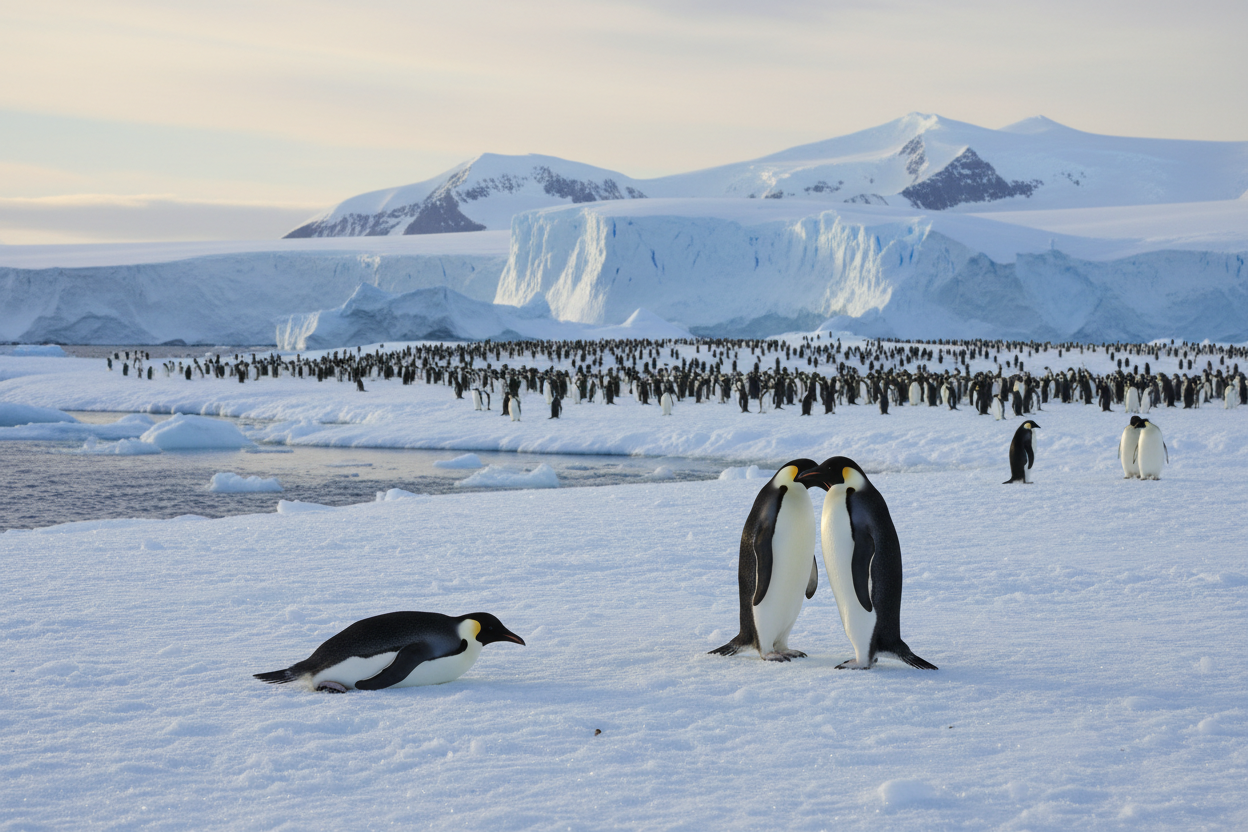
Antarctica is home to several penguin species, but four main types dominate the landscape and capture visitors’ hearts. The Emperor penguin, standing tall as the largest penguin species, breeds during the harsh Antarctic winter and creates some of the most spectacular wildlife scenes on Earth. These magnificent birds can reach heights of up to 48 inches and are famous for their incredible parenting dedication.
Adelie penguins represent the classic Antarctic penguin experience, with their distinctive white-ringed eyes and curious nature. They’re excellent climbers and often provide entertaining moments as they navigate rocky terrain with surprising agility. Chinstrap penguins, easily identified by the distinctive black line under their chin, are known for their feisty personalities and impressive swimming abilities.
Gentoo penguins, the third-largest penguin species, are remarkable for their bright orange beaks and feet, plus their status as the fastest underwater swimmers among all penguins. Each species offers unique viewing opportunities and behaviors that make Antarctic wildlife watching an incredibly diverse experience.
Prime Penguin Colony Locations in Antarctica
The Antarctic Peninsula serves as the most accessible region for penguin viewing, with numerous colonies scattered along its coastline. This area offers the perfect combination of accessibility and wildlife density, making it ideal for first-time Antarctica visitors. The peninsula’s milder climate and extended daylight hours during summer create optimal conditions for both penguins and tourists.
Deception Island stands out as one of the most unique penguin viewing locations, featuring an active volcanic landscape that creates a dramatic backdrop for Chinstrap penguin colonies. The island’s horseshoe shape and natural harbor make it a popular stop for expedition cruises, while its geothermal activity provides fascinating contrasts between ice and volcanic activity.
The South Shetland Islands archipelago hosts multiple penguin species across various islands, offering diverse viewing opportunities within a relatively compact area. Islands like Half Moon Island and Penguin Island provide excellent opportunities to observe different species in close proximity, making them efficient stops for wildlife enthusiasts.
Best Time to Visit Antarctic Penguin Colonies
Antarctic summer, spanning from November to March, represents the optimal window for penguin colony visits. During this period, temperatures are relatively mild, sea ice retreats to allow ship access, and penguin breeding cycles create maximum activity and viewing opportunities. However, different months within this season offer distinct experiences and advantages.
November marks the beginning of the breeding season, when penguins are actively courting, building nests, and establishing territories. This period offers excellent opportunities to witness fascinating mating rituals and territorial behaviors, though weather conditions can still be quite challenging with lingering winter conditions.
December and January represent peak summer conditions with the warmest temperatures, longest daylight hours, and most accessible coastlines. Penguin chicks begin hatching during this period, creating heartwarming scenes of parental care and family dynamics. The extended daylight provides ample photography opportunities and comfortable viewing conditions.
February and March offer unique advantages as penguin chicks mature and begin learning essential survival skills. Visitors can witness feeding behaviors, swimming lessons, and the gradual development of juvenile plumage. These months also feature spectacular ice formations and often provide the most dramatic Antarctic scenery.
Planning Your Antarctic Penguin Adventure
Choosing the right expedition cruise represents the most critical decision in planning your Antarctic penguin adventure. Different cruise operators offer varying itineraries, ship sizes, and onboard experiences that significantly impact your wildlife viewing opportunities. Smaller expedition vessels typically provide more intimate wildlife encounters and greater flexibility in landing site selection.
Expedition length varies from short 10-day trips focusing on the Antarctic Peninsula to extended 20-day journeys exploring remote regions like the Ross Sea or Weddell Sea. Longer expeditions often provide access to more exclusive penguin colonies and increased chances of witnessing rare wildlife behaviors, though they require greater time and financial investment.
Cabin selection affects both comfort and wildlife viewing opportunities, with higher deck levels providing better vantage points for spotting wildlife during transit. Many experienced Antarctica travelers recommend balcony cabins for the ability to observe wildlife privately and capture photographs without competing for deck space.
Physical preparation shouldn’t be overlooked, as Antarctic landings often require navigating uneven terrain, stepping in and out of zodiac boats, and walking on potentially slippery surfaces. Basic fitness levels and comfortable, waterproof clothing are essential for maximizing your penguin colony experiences.
What to Expect During Penguin Colony Visits
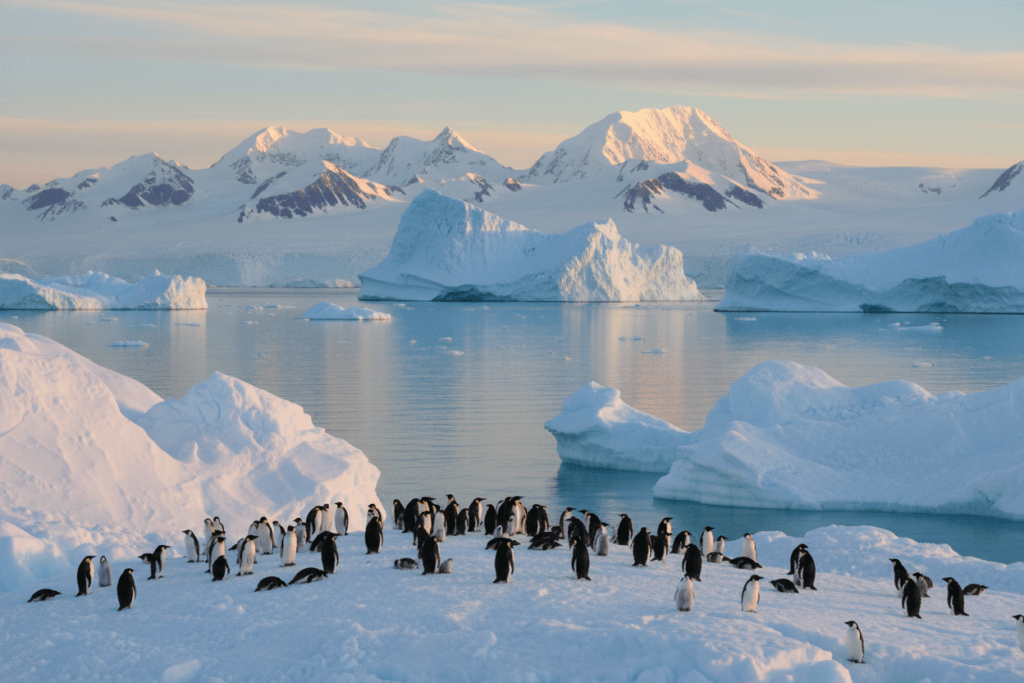
Penguin colony visits typically involve zodiac boat landings on beaches or rocky shores where thousands of penguins gather for breeding, feeding, and socializing. The sensory experience is overwhelming—the sight of countless penguins stretching to the horizon, the cacophony of calls and chatter, and even the distinctive smell of large bird colonies create unforgettable memories.
Visitor guidelines strictly regulate human interaction with penguins to minimize disturbance to these sensitive ecosystems. Maintaining minimum distances, avoiding sudden movements, and following designated pathways ensure both visitor safety and penguin welfare. Experienced expedition guides provide valuable insights into penguin behavior and help identify optimal viewing and photography opportunities.
Photography opportunities are extraordinary, but Antarctic conditions present unique challenges including bright snow glare, rapidly changing weather, and the need to protect equipment from moisture and cold. Many visitors find that observing penguin behaviors with the naked eye proves just as rewarding as capturing the perfect photograph.
The unpredictable nature of wildlife means that each colony visit offers unique experiences. Some landings might feature playful penguin chicks learning to swim, while others showcase dramatic territorial disputes or impressive feeding frenzies as adults return from fishing expeditions.
Conservation and Responsible Tourism
Antarctic penguin populations face increasing pressures from climate change, with rising temperatures affecting sea ice patterns, food availability, and breeding success rates. Responsible tourism plays a crucial role in supporting conservation efforts while providing economic incentives for protecting these pristine ecosystems.
The International Association of Antarctica Tour Operators (IAATO) establishes strict guidelines governing visitor numbers, landing procedures, and environmental protection measures. Choosing IAATO-member operators ensures your trip supports sustainable tourism practices and contributes to ongoing conservation research.
Many expedition cruises incorporate citizen science programs where visitors can contribute to penguin research through photography, behavioral observations, or data collection. These programs provide meaningful ways for tourists to support conservation while gaining deeper insights into penguin ecology and research methods.
Climate change impacts are already visible in Antarctic penguin colonies, with some populations declining while others adapt by shifting breeding locations or timing. Witnessing these changes firsthand often inspires visitors to become advocates for climate action and Antarctic conservation upon returning home.
Making the Most of Your Antarctic Penguin Experience
Preparing mentally for the Antarctic experience enhances appreciation and enjoyment of penguin colony visits. Reading about penguin behavior, Antarctic history, and conservation challenges before departure provides context that enriches every wildlife encounter. Many expedition cruises offer excellent onboard naturalist programs that deepen understanding of Antarctic ecosystems.
Bringing appropriate gear significantly impacts comfort and enjoyment during penguin colony visits. Waterproof boots, warm layers, sun protection, and quality binoculars are essential for comfortable wildlife viewing. Many operators provide some equipment, but personal gear often offers better fit and performance.
Flexibility and patience prove invaluable when visiting Antarctic penguin colonies, as weather conditions and wildlife behavior patterns can necessitate itinerary changes. The most memorable experiences often occur during unexpected encounters or spontaneous wildlife behaviors that can’t be scheduled or guaranteed.
Documenting your experience through journaling, sketching, or photography helps preserve memories and share the wonder of Antarctic wildlife with others. Many visitors find that reflecting on their penguin encounters helps process the emotional impact of witnessing these remarkable creatures in their pristine environment.
Visiting Antarctic penguin colonies represents one of the world’s most extraordinary wildlife experiences, offering intimate encounters with remarkable birds in the planet’s last great wilderness. The combination of stunning landscapes, incredible wildlife, and the profound sense of visiting somewhere truly special creates memories that last a lifetime. Whether you’re drawn by the scientific fascination of penguin behavior, the photographic opportunities, or simply the adventure of exploring Antarctica, penguin colony visits deliver experiences that exceed even the highest expectations. The investment in time, planning, and resources required for Antarctic travel pays dividends in unforgettable moments and a deeper appreciation for our planet’s most remote and pristine ecosystems.