South Africa Travel: Discovering the Cultural Melting Pot of Durban
When people think of South Africa travel destinations, Cape Town and Johannesburg often steal the spotlight. But nestled along the country’s eastern coastline lies a hidden gem that deserves your attention – Durban. This vibrant coastal city is a fascinating cultural melting pot where Indian spices mingle with African rhythms, British colonial architecture stands alongside modern skyscrapers, and golden beaches stretch as far as the eye can see.
I’ve had the privilege of exploring Durban multiple times, and each visit reveals new layers of this complex, beautiful city. From the bustling markets filled with the aroma of curry to the warm Indian Ocean waves lapping at your feet, Durban offers an authentic South African experience that’s both exotic and welcoming. Let me take you on a journey through this remarkable destination that perfectly embodies the rainbow nation’s diversity.
The Rich Tapestry of Durban’s Cultural Heritage
Durban’s cultural landscape is unlike anywhere else in the world. The city is home to the largest Indian population outside of India, creating a unique fusion that has shaped its identity for over 150 years. This cultural blend began in the 1860s when Indian laborers arrived to work in the sugar plantations, bringing with them their traditions, languages, and most memorably, their incredible cuisine.
Walking through the city center, you’ll hear a symphony of languages – English, Zulu, Hindi, Tamil, Gujarati, and Afrikaans all flowing together in daily conversation. This linguistic diversity reflects the deeper cultural currents that run through Durban’s veins. The city has managed to preserve distinct cultural identities while creating something entirely new and uniquely South African.
What strikes me most about Durban is how naturally these cultures coexist. You might start your morning with a traditional Zulu breakfast, enjoy Indian street food for lunch, and end your day with a braai (South African barbecue) on the beach. This isn’t cultural appropriation – it’s cultural celebration, where each tradition is respected and honored while contributing to a greater whole.
Exploring Durban’s Vibrant Indian Quarter
No visit to Durban is complete without immersing yourself in the Indian Quarter, centered around Grey Street and Dr. Monty Naicker Road. This area pulses with energy from dawn to dusk, offering an sensory overload that will leave you both exhausted and exhilarated.
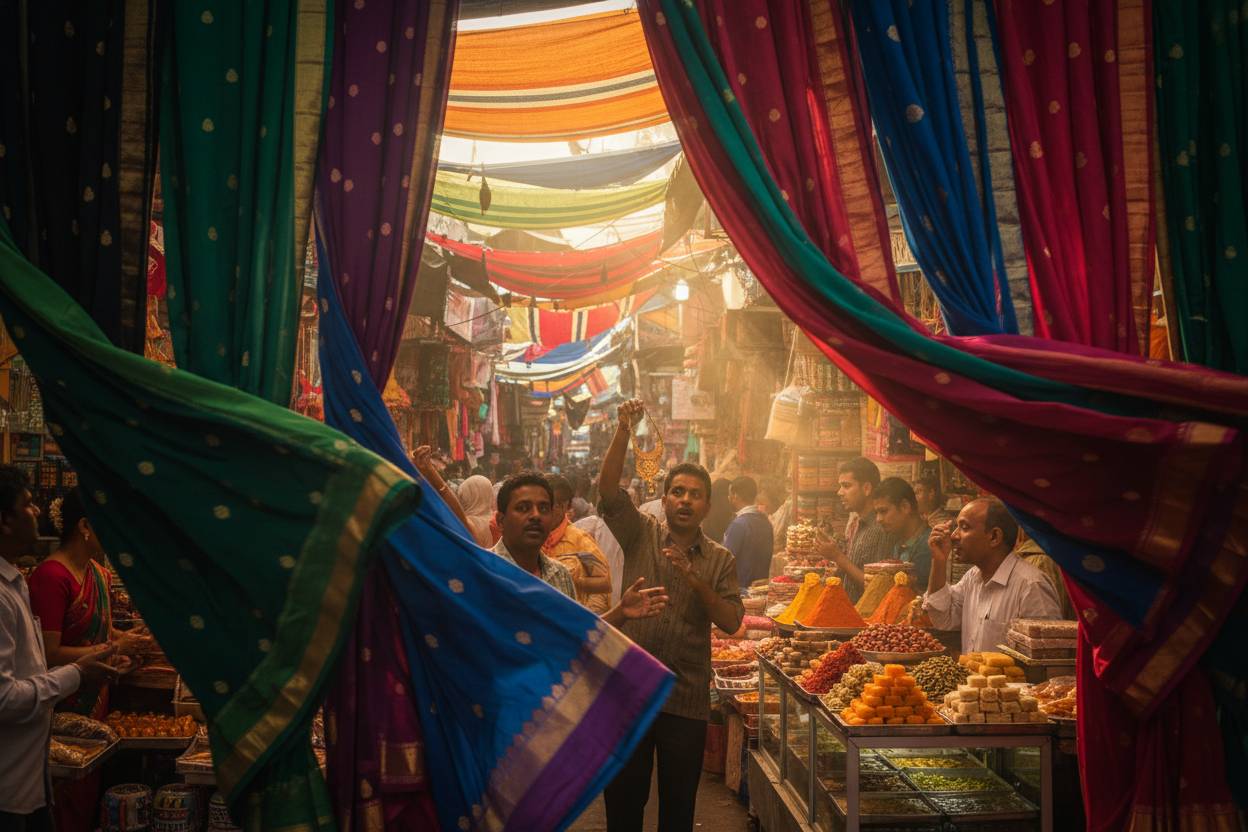
The Victoria Street Market, affectionately known as the Indian Market, is where I always begin my Durban adventures. The moment you step inside, you’re transported to another world. Vendors call out their wares in multiple languages, the air is thick with the scent of cardamom and coriander, and colorful saris flutter like butterflies in the breeze. Here, you can haggle for everything from intricate jewelry to aromatic spices, handcrafted textiles to traditional Indian sweets.
Don’t miss the opportunity to visit one of the area’s many temples. The Temple of Understanding on Chatsworth Road welcomes visitors of all faiths and offers insight into Hindu traditions. The beautiful architecture, with its intricate carvings and vibrant colors, provides a peaceful respite from the bustling streets outside.
For food lovers, the Indian Quarter is paradise. Street vendors serve up bunny chow – Durban’s most famous culinary export – which consists of curry served in a hollowed-out loaf of bread. It might sound simple, but the flavors are complex and deeply satisfying. I’ve tried bunny chow around the world, but nothing compares to eating it from a street vendor in Durban while watching the world go by.
African Culture and Zulu Heritage in Durban
While Durban’s Indian influences are immediately apparent, the city’s African heritage runs just as deep. The Zulu people are the predominant African group in the region, and their rich culture adds another essential layer to Durban’s identity.
The PheZulu Safari Park, located just outside the city, offers an authentic glimpse into traditional Zulu life. Here, you can witness traditional dancing, learn about Zulu customs and beliefs, and even participate in cultural ceremonies. The energy of Zulu dancing is infectious – the rhythmic stamping, the colorful costumes, and the powerful voices raised in traditional songs create an unforgettable experience.
In the city itself, you’ll find Zulu culture woven into daily life. The Warwick Junction area, one of Africa’s largest transport hubs, is also a cultural melting pot where traditional healers sell muti (traditional medicine) alongside vendors offering everything from cow heads to cell phone accessories. It’s chaotic, authentic, and absolutely fascinating.
The influence of Zulu culture extends to Durban’s music scene as well. Maskandi music, often called “Zulu blues,” originated in this region and continues to thrive in local venues and festivals. The guitar-based music tells stories of daily life, love, and social issues, providing a soundtrack to the Durban experience.
Colonial Architecture and Historical Landmarks
Durban’s colonial past has left an indelible mark on its architecture and urban landscape. The city center is dotted with beautiful Victorian and Edwardian buildings that serve as reminders of its British colonial heritage. The Durban City Hall, completed in 1910, is a stunning example of neo-baroque architecture that wouldn’t look out of place in London.
The Old Court House Museum offers fascinating insights into Durban’s legal and social history. What makes this particularly interesting is how it showcases the complex racial dynamics that shaped South Africa’s past. The building itself tells a story of power, justice, and social change that continues to resonate today.
One of my favorite historical sites is the Mahatma Gandhi Settlement at Phoenix, just north of Durban. This is where the young lawyer who would later become the Mahatma lived and developed his philosophy of non-violent resistance. Walking through the simple buildings and reading about Gandhi’s time in South Africa provides profound insights into how his experiences in Durban shaped his later work in India.
The Durban Botanic Gardens, established in 1849, showcase the city’s colonial heritage in a different way. These gardens were among the first municipal botanical gardens in Africa and feature an impressive collection of indigenous and exotic plants. The orchid house is particularly spectacular, housing one of the finest collections in the southern hemisphere.
Durban’s Golden Mile and Beach Culture
No discussion of Durban would be complete without mentioning its spectacular coastline. The Golden Mile stretches for six kilometers along the Indian Ocean, offering some of the best urban beaches in the world. The warm waters make swimming possible year-round, while the consistent swells attract surfers from around the globe.
What I love most about Durban’s beach culture is how it reflects the city’s diversity. On any given day, you’ll see families having traditional Indian picnics complete with homemade samosas, Zulu fishermen casting their nets from the piers, and international tourists learning to surf. The beaches are truly democratic spaces where all of Durban’s communities come together.
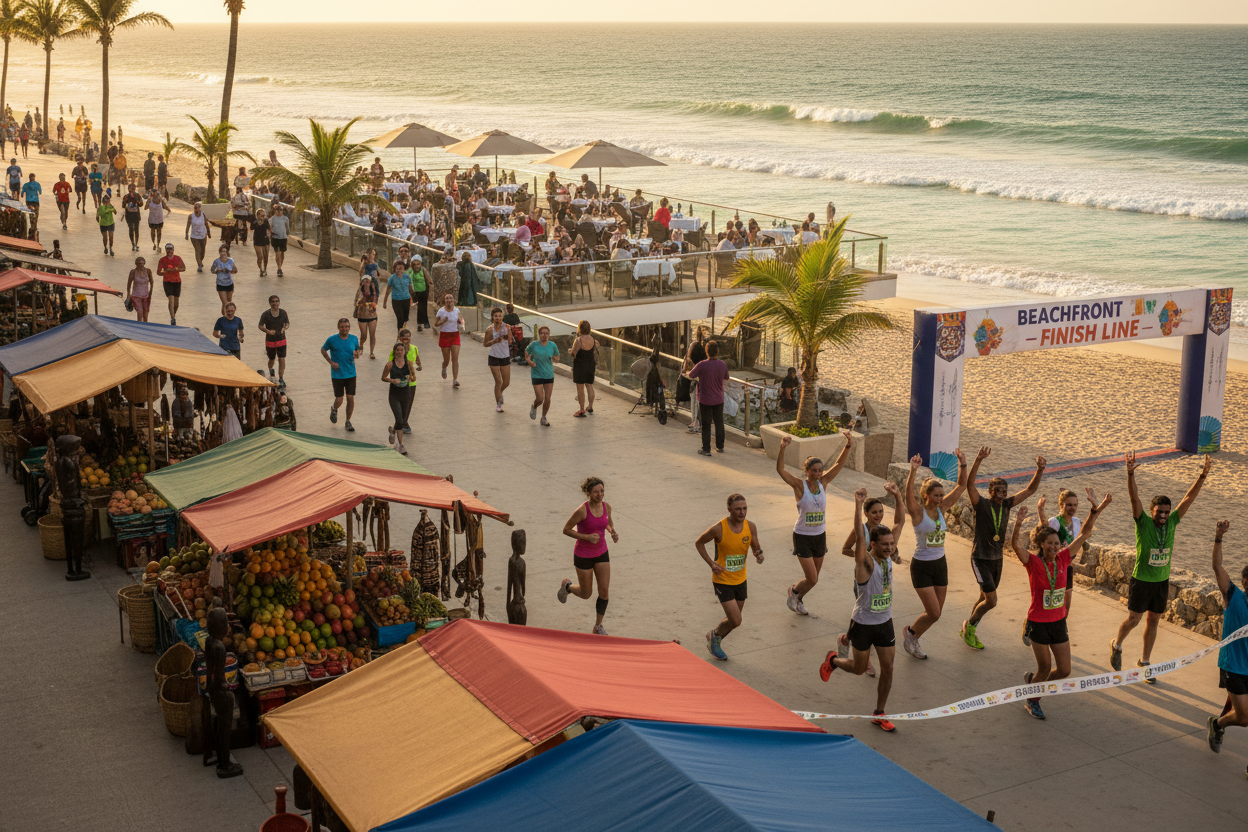
The promenade along the Golden Mile is perfect for morning jogs or evening strolls. Street vendors sell everything from fresh fruit to traditional crafts, while restaurants offer outdoor seating where you can enjoy a meal while watching the waves. The annual Comrades Marathon, one of the world’s most famous ultramarathons, ends at this very beach, bringing together runners from around the world in a celebration of human endurance and South African hospitality.
uShaka Marine World, located right on the beach, combines entertainment with education about marine conservation. The aquarium is built inside what appears to be a shipwreck, creating a unique and immersive experience. It’s particularly popular with families and offers insights into the rich marine life of the Indian Ocean.
Culinary Adventures in South Africa’s Curry Capital
Durban’s food scene is legendary, and for good reason. The city is widely regarded as the curry capital of South Africa, if not the entire continent. The Indian community has perfected their recipes over generations, creating dishes that are uniquely South African while maintaining their authentic Indian roots.
Beyond the famous bunny chow, Durban offers an incredible variety of Indian cuisine. The city’s “Indian quarter” restaurants serve everything from delicate biryanis to fiery vindaloos. What makes Durban curry special is its adaptation to local tastes and ingredients. The curries tend to be slightly sweeter than their Indian counterparts, and local vegetables and meats are incorporated in creative ways.
But Durban’s culinary landscape extends far beyond Indian food. The city’s African heritage contributes dishes like pap and wors, morogo (wild spinach), and various traditional stews. Portuguese influences, brought by early traders and later immigrants, can be found in the city’s excellent seafood restaurants and peri-peri chicken outlets.
The Durban street food scene is particularly vibrant. Along the beachfront and in the city center, vendors sell everything from boerewors rolls to samosas, fresh fruit to traditional sweets. The Saturday morning Neighbourgoods Market in the Maboneng Precinct showcases the best of local and artisanal foods, offering everything from craft beer to gourmet burgers.
Planning Your Cultural Journey to Durban
The best time to visit Durban is during the South African winter months (May to September) when the weather is warm and dry, perfect for exploring the city on foot. However, Durban’s subtropical climate means it’s pleasant year-round, though summer can be hot and humid with occasional thunderstorms.
Getting around Durban is relatively easy. The city center is walkable, though you should be aware of your surroundings and avoid displaying valuable items. For longer distances, ride-sharing services are reliable and affordable. If you’re planning to explore the surrounding areas, renting a car gives you the most flexibility.
When it comes to accommodation, Durban offers options for every budget. The beachfront area has numerous hotels with ocean views, while the city center provides more budget-friendly options within walking distance of major attractions. For a more authentic experience, consider staying in a guesthouse in one of the residential areas where you can interact with locals and get insider tips on the best places to eat and visit.
Safety is always a consideration when traveling in South Africa. While Durban is generally safe for tourists who take reasonable precautions, it’s wise to research your destinations beforehand, travel in groups when possible, and avoid displaying expensive jewelry or electronics.
Conclusion: Embracing Durban’s Cultural Richness
Durban represents everything that makes South Africa special – its diversity, resilience, and incredible capacity for cultural fusion. This city doesn’t just tolerate differences; it celebrates them, creating something beautiful and unique in the process. From the spice-scented air of the Indian markets to the rhythmic beats of Zulu dancing, from colonial architecture to modern beachfront developments, Durban tells the story of a nation still writing its future.
My experiences in Durban have taught me that true cultural exchange happens not in museums or tourist attractions, but in the everyday interactions between people from different backgrounds. Whether you’re sharing a meal with a local family, bargaining in the markets, or simply watching the sunset from the Golden Mile, Durban offers countless opportunities for these meaningful connections.
If you’re planning South Africa travel, don’t overlook this incredible city. Durban may not have the international fame of Cape Town or the economic power of Johannesburg, but it has something equally valuable – an authentic, lived-in culture that welcomes visitors with open arms and leaves them with unforgettable memories. Come for the beaches, stay for the culture, and leave with a deeper understanding of what makes South Africa truly special.