
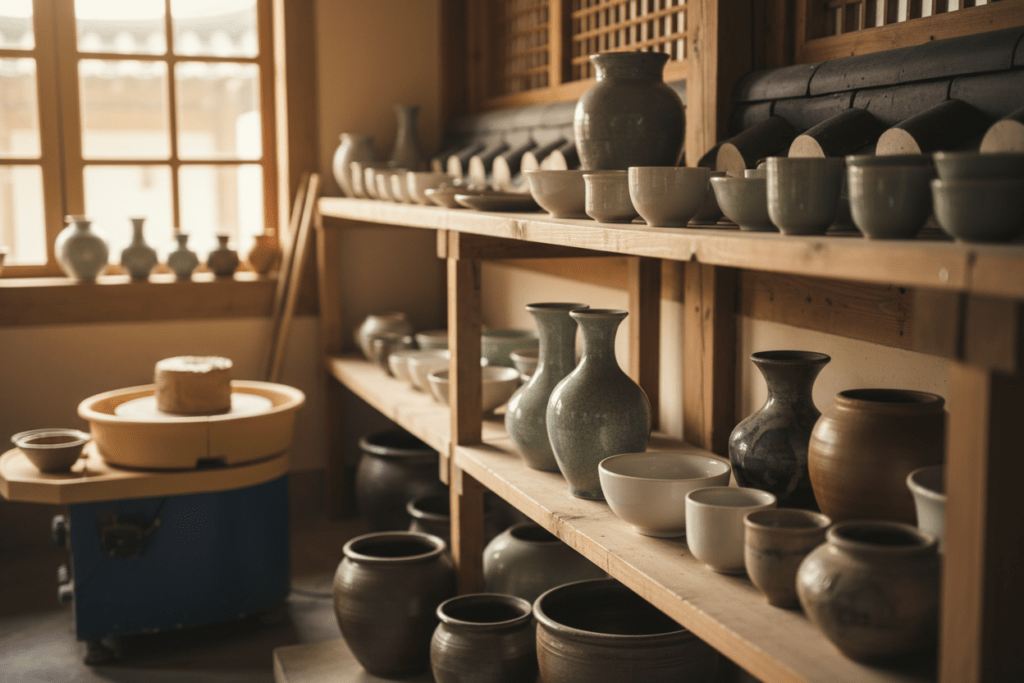
Korea Travel: The Best Places to Experience Traditional Korean Ceramics
Korea’s ceramic tradition spans over a millennium, creating some of the world’s most exquisite pottery that continues to captivate art enthusiasts and travelers alike. From the elegant celadon of the Goryeo Dynasty to the rustic beauty of Joseon white porcelain, Korean ceramics represent a unique blend of functionality and artistic expression. If you’re planning a trip to Korea and have an appreciation for traditional crafts, discovering the country’s ceramic heritage should definitely be on your itinerary.
The art of Korean ceramics isn’t just about admiring finished pieces in museums – it’s about understanding the entire process, from the clay preparation to the final firing. Many locations across Korea offer hands-on experiences where you can try your hand at the potter’s wheel, visit active kilns, and meet master craftsmen who’ve dedicated their lives to preserving these ancient techniques.
Icheon: The Ceramic Capital of Korea
Located just an hour southeast of Seoul, Icheon stands as Korea’s undisputed ceramic capital. This city has been producing pottery for over 500 years, and today it houses more than 300 ceramic studios and workshops. The area’s high-quality clay and abundant natural resources made it the perfect location for ceramic production during the Joseon Dynasty.
The Icheon Ceramics Village is your first must-visit destination. Here, you’ll find the Korea Ceramic Foundation, which operates both a museum and cultural center. The museum showcases the evolution of Korean ceramics from ancient times to contemporary works, providing essential context for understanding the craft’s development. What makes this place special is that many of the exhibited pieces are still being produced using traditional methods.
Don’t miss the opportunity to visit working studios where you can observe master potters at work. Many studios offer hands-on classes where beginners can learn basic throwing techniques on the potter’s wheel. The experience of feeling clay transform under your hands while learning about centuries-old techniques creates a profound connection to Korean cultural heritage.
The annual Icheon Ceramics Festival, typically held in late spring, transforms the entire city into a celebration of ceramic arts. During this time, you can witness live demonstrations, participate in workshops, and purchase directly from artisans at significantly reduced prices.
Gangjin Celadon Museum: Home of Goryeo Celadon
Gangjin County in South Jeolla Province holds a special place in Korean ceramic history as the birthplace of the famous Goryeo celadon. The jade-green glazed pottery produced here during the 12th and 13th centuries is considered among the finest ceramics ever created, praised even by Chinese connoisseurs of the time.
The Gangjin Celadon Museum offers an immersive experience into this golden age of Korean ceramics. The museum is built on the actual site of ancient kiln remains, and you can explore the excavated kilns that produced celadon for the royal court over 800 years ago. The museum’s collection includes pieces so delicate and beautiful that they seem almost ethereal, with their characteristic jade-green glaze that seems to glow from within.
What sets Gangjin apart is the celadon experience program, where visitors can try recreating traditional celadon pieces under the guidance of skilled artisans. The process is challenging – achieving the perfect celadon glaze requires precise temperature control and timing that master potters spend decades perfecting. Even if your attempts don’t match the museum’s masterpieces, the experience provides deep appreciation for the skill involved.
The surrounding area also features hiking trails that lead to additional kiln sites scattered throughout the mountains, offering a peaceful way to contemplate the historical significance of this ceramic tradition while enjoying Korea’s natural beauty.
Mungyeong Saejae Provincial Park: Traditional Kilns in Natural Settings
Mungyeong Saejae Provincial Park offers a unique combination of natural beauty and ceramic heritage. This mountainous region has been producing pottery for centuries, taking advantage of the abundant clay deposits and forests that provided fuel for the kilns. The park preserves several traditional climbing kilns (noborigama) that were used to fire ceramics at extremely high temperatures.
The Mungyeong Traditional Ceramic Museum showcases the region’s pottery traditions, but the real highlight is exploring the restored kilns scattered throughout the park. These massive stone structures, built into hillsides, could reach temperatures exceeding 1300 degrees Celsius. Walking through these ancient kilns gives you a visceral understanding of the physical demands and technical expertise required for traditional ceramic production.
Several active pottery studios operate within the park, where contemporary artists continue traditional techniques while developing their own artistic voices. Many of these studios welcome visitors and offer workshops ranging from basic pottery making to advanced glazing techniques. The natural setting adds an extra dimension to the experience – there’s something magical about shaping clay while surrounded by the same mountains that provided materials for potters centuries ago.
The park also hosts seasonal ceramic festivals where you can watch traditional firing ceremonies, participate in communal pottery projects, and learn about the social aspects of ceramic production in traditional Korean communities.
Hagi and Buncheong Pottery in Gongju
Gongju, the ancient capital of the Baekje Kingdom, offers insight into earlier Korean ceramic traditions, particularly buncheong pottery. This type of ceramics, characterized by its gray clay body and white slip decoration, represents a transitional period between Goryeo celadon and Joseon white porcelain.
The Gongju National Museum houses an exceptional collection of Baekje-era ceramics, including pieces that show the influence of Chinese techniques adapted to Korean aesthetic sensibilities. The museum’s hands-on workshop area allows visitors to try buncheong decorating techniques, including the distinctive brushwork and stamping methods that give these pieces their characteristic appearance.
Local pottery studios in Gongju specialize in recreating historical buncheong pieces while also developing contemporary interpretations. The contrast between historical pieces and modern adaptations illustrates how traditional Korean ceramics continue to evolve while maintaining their essential character.
What makes Gongju particularly interesting for ceramic enthusiasts is the opportunity to participate in archaeological-style pottery workshops, where you can learn to identify different ceramic periods and understand how pottery serves as a window into Korea’s cultural development.
Seoul’s Ceramic Scene: Traditional Meets Contemporary
While rural areas offer the most authentic traditional experiences, Seoul provides excellent opportunities to understand how Korean ceramic traditions have evolved and adapted to contemporary life. The city’s numerous galleries, museums, and studios create a vibrant ceramic scene that bridges past and present.
Insadong district serves as Seoul’s cultural heart, housing numerous galleries specializing in traditional and contemporary Korean ceramics. Here you can find everything from museum-quality historical reproductions to cutting-edge contemporary works that push the boundaries of ceramic art while maintaining connections to traditional techniques.
The National Museum of Korea houses one of the world’s finest collections of Korean ceramics, providing comprehensive coverage of the entire historical development of Korean pottery. The museum’s ceramic galleries are arranged chronologically, allowing visitors to trace the evolution from early earthenware through the golden age of celadon to the refined white porcelains of the late Joseon period.
Several studios in Seoul offer intensive ceramic workshops designed for tourists, combining technical instruction with cultural education. These programs often include visits to traditional markets where you can see how ceramics continue to play important roles in Korean daily life, from tea ceremonies to food presentation.
Practical Tips for Ceramic Tourism in Korea
Planning a ceramic-focused trip to Korea requires some preparation to maximize your experience. Most ceramic museums and studios are open year-round, but workshop availability can vary seasonally. Spring and fall offer the most comfortable weather for outdoor kiln visits and extended studio sessions.
Many ceramic experiences require advance booking, especially hands-on workshops and private studio visits. Contact venues directly or work with local tourism offices to arrange visits. Some master potters offer exclusive sessions for serious ceramic enthusiasts, but these typically require several weeks’ advance notice.
Transportation between ceramic sites can be challenging without a car, as many studios and historical sites are located in rural areas. Consider renting a car or joining organized ceramic tours that include transportation between multiple locations.
When participating in hands-on activities, wear comfortable clothes that you don’t mind getting dirty. Most studios provide aprons and basic tools, but bringing your own notebook for sketching and taking notes can enhance your learning experience.
Conclusion
Experiencing traditional Korean ceramics offers far more than just artistic appreciation – it provides deep insight into Korean culture, philosophy, and daily life across centuries. From the refined elegance of Goryeo celadon to the humble beauty of everyday pottery, Korean ceramics reflect the nation’s aesthetic values and technical innovations.
Whether you’re drawn to the meditative process of working with clay, fascinated by historical techniques, or simply appreciate beautiful objects, Korea’s ceramic heritage offers something meaningful for every visitor. The combination of world-class museums, active traditional workshops, and opportunities for hands-on learning creates an unparalleled opportunity to understand and participate in one of humanity’s oldest and most universal art forms.
As you plan your Korean ceramic journey, remember that each location offers unique perspectives on this rich tradition. Take time to not just observe but participate, ask questions, and allow yourself to be surprised by the depth and continuing vitality of Korean ceramic arts. The memories you create and the understanding you gain will enrich your appreciation for Korean culture long after your trip ends.