Korea Travel: Exploring the Best Hanok Villages
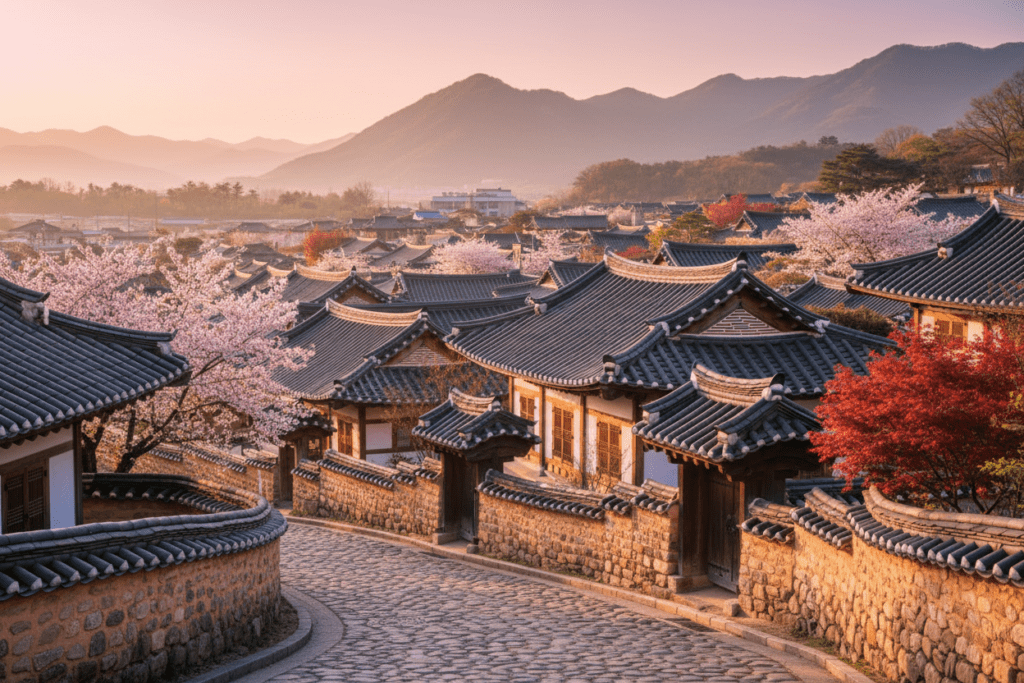
Stepping into a traditional Korean hanok village feels like traveling back in time. These architectural gems, with their gracefully curved rooflines and wooden structures, offer visitors a glimpse into Korea’s rich cultural heritage. As modern skyscrapers dominate Seoul’s skyline, these preserved villages stand as peaceful sanctuaries where ancient traditions continue to thrive.
Hanok, literally meaning “Korean house,” represents more than just traditional architecture. These structures embody centuries of Korean wisdom about living in harmony with nature, featuring ondol (underfloor heating systems) and clever designs that adapt to Korea’s four distinct seasons. Today’s travelers can experience authentic Korean culture by staying overnight in these historic homes, participating in traditional activities, and immersing themselves in a slower pace of life.
What Makes Hanok Villages Special
Traditional Korean hanok villages showcase the ingenuity of Korean architecture and urban planning. Built using natural materials like wood, stone, and clay, these structures were designed to work with the surrounding landscape rather than against it. The curved rooflines, called cheoma, aren’t just beautiful – they serve practical purposes by directing rainwater away from the building and providing shade during hot summers.
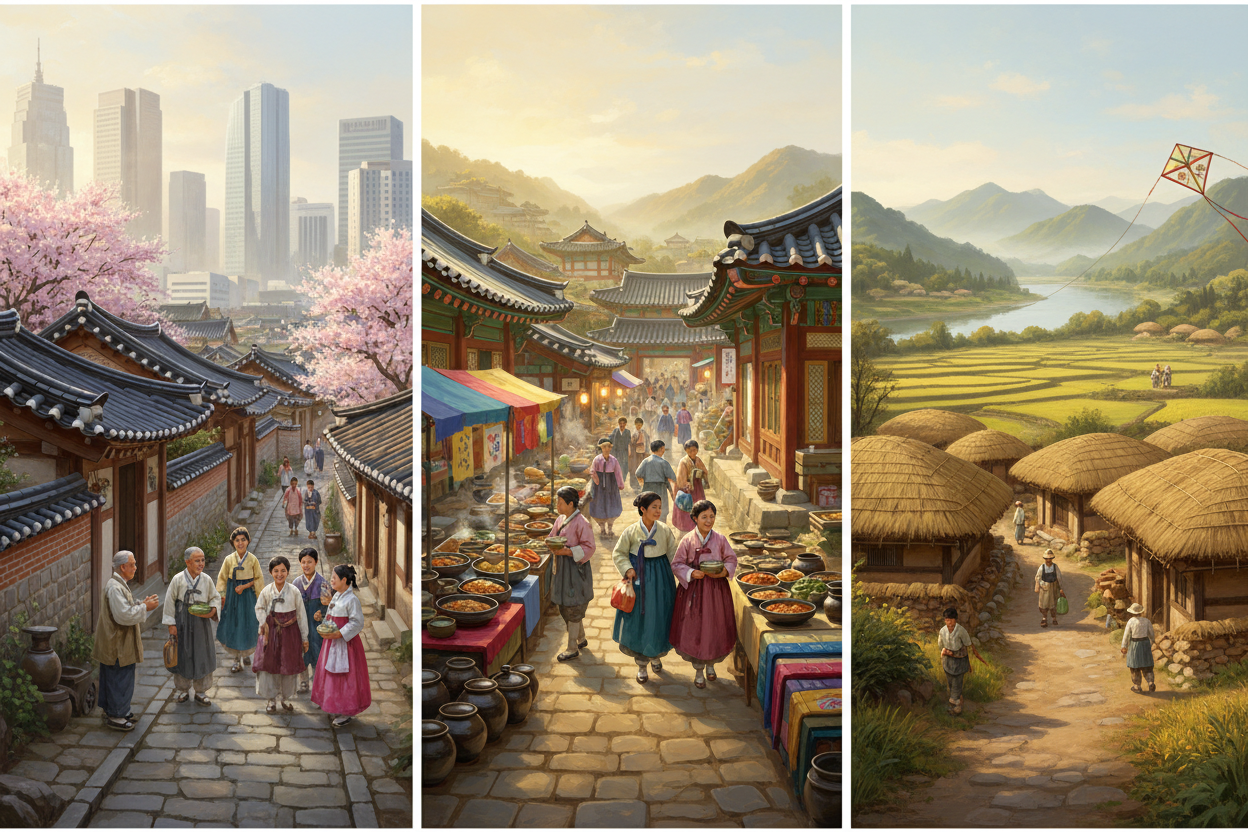
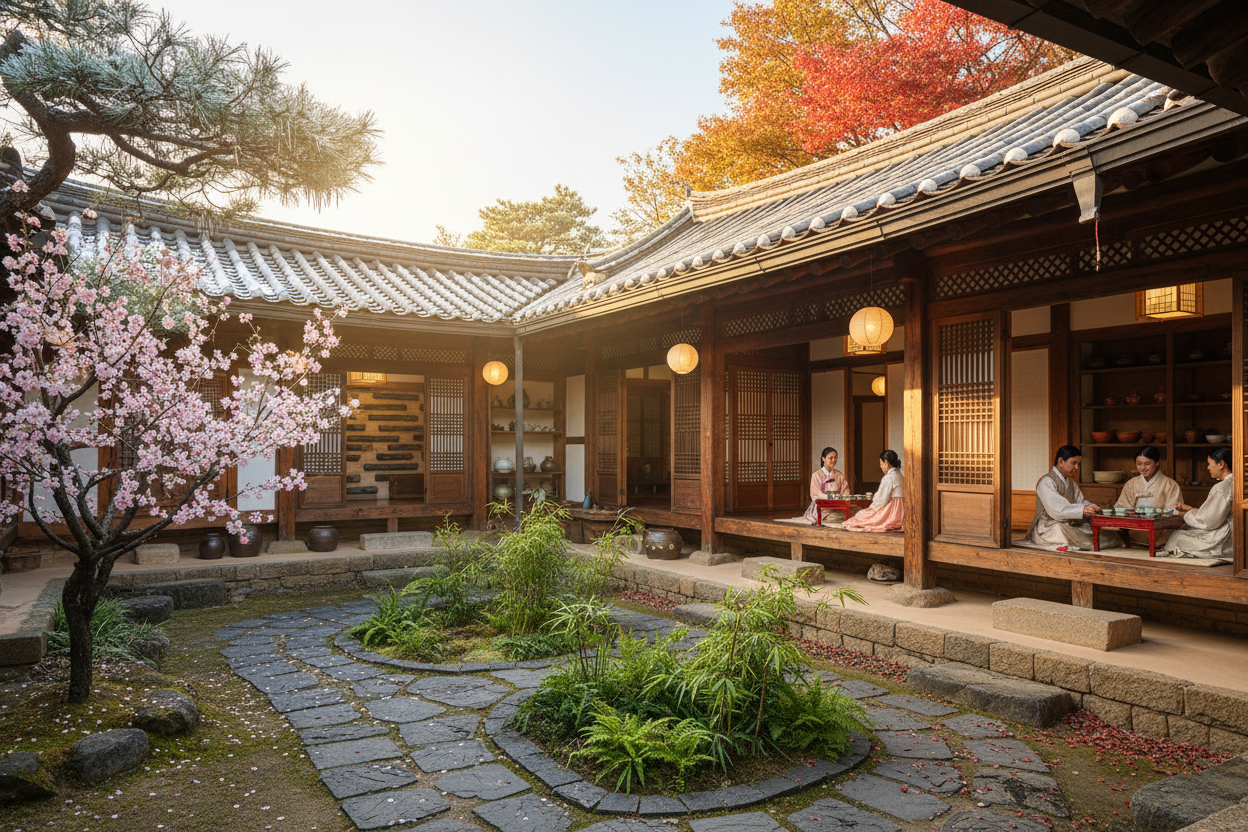
What truly sets these villages apart is their preservation of Korean lifestyle and customs. Many hanok have been converted into guesthouses, cultural centers, and museums, allowing visitors to experience traditional Korean living firsthand. You’ll find yourself sleeping on heated floors, participating in tea ceremonies, and learning traditional crafts from local artisans who’ve kept these skills alive for generations.
Bukchon Hanok Village: Seoul’s Crown Jewel
Nestled between Gyeongbokgung Palace and Changdeokgung Palace in Seoul, Bukchon Hanok Village represents one of Korea’s most accessible and well-preserved traditional neighborhoods. This 600-year-old village houses over 900 hanok, many of which have been carefully restored to their original glory.
Walking through Bukchon’s narrow alleys feels like stepping into a Korean period drama. The neighborhood’s elevated position provides stunning views of Seoul’s modern cityscape, creating a striking contrast between old and new Korea. Many of the hanok here function as cultural centers, traditional craft workshops, and boutique guesthouses where visitors can experience authentic Korean hospitality.
The village comes alive during different seasons. Spring brings cherry blossoms that frame the traditional rooflines beautifully, while autumn transforms the area into a canvas of red and gold. Winter snow creates a particularly magical atmosphere, especially when the warm glow from hanok windows illuminates the white-covered paths.
Jeonju Hanok Village: The Cultural Heart of Korea
Located in Jeonju, the birthplace of the Joseon Dynasty, this hanok village offers perhaps the most comprehensive traditional Korean experience. Home to over 800 hanok buildings, Jeonju Hanok Village has earned recognition as a UNESCO City of Gastronomy, making it a perfect destination for culture and food enthusiasts alike.
The village serves as a living museum where traditional Korean arts flourish. Visitors can participate in hanji (traditional paper) making workshops, learn calligraphy, or try their hand at traditional Korean painting. The area also hosts numerous festivals throughout the year, including the famous Jeonju International Film Festival and traditional music performances.
Food lovers will find themselves in paradise here. Jeonju is renowned as the birthplace of bibimbap, and the village offers countless opportunities to taste authentic Korean cuisine. From street food markets to traditional restaurants housed in centuries-old hanok, every meal becomes a cultural experience.
Andong Hahoe Village: A UNESCO World Heritage Site
Andong Hahoe Village stands out as one of Korea’s most authentic traditional villages, earning UNESCO World Heritage status for its exceptional preservation of Korean clan culture and architecture. Unlike other hanok villages that have been partially reconstructed for tourism, Hahoe remains a living village where descendants of the Pungsan Ryu clan continue to reside in their ancestral homes.
The village’s name, meaning “river bend,” perfectly describes its scenic location along the Nakdong River. Traditional thatched-roof houses and tile-roofed yangban (aristocrat) residences create a hierarchical landscape that reflects Korea’s historical social structure. The village’s mask dance performances, held regularly for visitors, represent one of Korea’s most important intangible cultural treasures.
What makes Hahoe particularly special is its authenticity. This isn’t a recreated tourist attraction but a genuine community where traditional Korean rural life continues. Visitors can stay with local families, participate in farming activities, and experience the rhythms of traditional Korean village life.
Namsangol Hanok Village: Seoul’s Cultural Oasis
Situated at the foot of Namsan Mountain in central Seoul, Namsangol Hanok Village offers urban travelers easy access to traditional Korean culture. This carefully reconstructed village features five restored hanok from different regions of Korea, each representing different social classes and architectural styles from the Joseon Dynasty.
The village excels in educational programming, offering hands-on experiences that bring Korean culture to life. Visitors can participate in traditional wedding ceremonies, learn Korean traditional games, or try on hanbok (traditional Korean clothing) for memorable photos. The on-site time capsule plaza and traditional garden add layers of cultural depth to the experience.
During major Korean holidays like Chuseok and Seollal, Namsangol transforms into a celebration hub where visitors can participate in traditional holiday activities, taste seasonal foods, and witness ceremonial performances that have been passed down through generations.
Planning Your Hanok Village Adventure
Timing your visit can significantly enhance your hanok village experience. Spring and autumn offer the most comfortable weather and stunning natural backdrops, though these seasons also bring larger crowds. Winter visits provide a more intimate experience with fewer tourists, and the sight of snow-covered hanok rooflines creates unforgettable memories.
For the most authentic experience, consider staying overnight in a hanok guesthouse. These accommodations range from budget-friendly options to luxury experiences, but all offer the unique opportunity to sleep on traditional heated floors and wake up in a centuries-old architectural setting. Many guesthouses include traditional Korean breakfast and cultural activities in their packages.
Transportation to these villages varies by location. Seoul’s hanok villages are easily accessible by subway, while rural villages like Andong Hahoe require bus or car travel. Many tour companies offer day trips that combine multiple villages or pair hanok visits with nearby cultural sites.
Cultural Etiquette and Respect
Visiting hanok villages requires cultural sensitivity, especially in living communities like Andong Hahoe. Remember that many of these buildings are private homes where families continue their daily lives. Photography should be respectful, avoiding intrusive shots of private spaces or residents without permission.
When staying in hanok guesthouses, embrace the traditional lifestyle. Remove shoes before entering buildings, sit properly on floor cushions, and appreciate the quieter pace of life these environments encourage. Many hanok have thin walls and traditional construction that carries sound, so maintaining quiet hours shows respect for other guests and local residents.
Learning basic Korean greetings and expressions of gratitude will enhance your interactions with local residents and guesthouse owners. Many elderly residents in these villages are proud keepers of Korean traditions and enjoy sharing stories with respectful visitors who show genuine interest in their culture.
Korea’s hanok villages offer more than just picturesque photo opportunities – they provide windows into a living culture that has adapted and survived through centuries of change. Whether you’re drawn to the urban accessibility of Seoul’s Bukchon village, the culinary delights of Jeonju, or the authentic rural experience of Andong Hahoe, each hanok village tells a unique story of Korean heritage. These architectural treasures remind us that preserving the past creates richer experiences for future generations, making them essential destinations for any traveler seeking to understand Korea’s cultural soul.