
South Africa Travel: The Best Places for Whale Watching
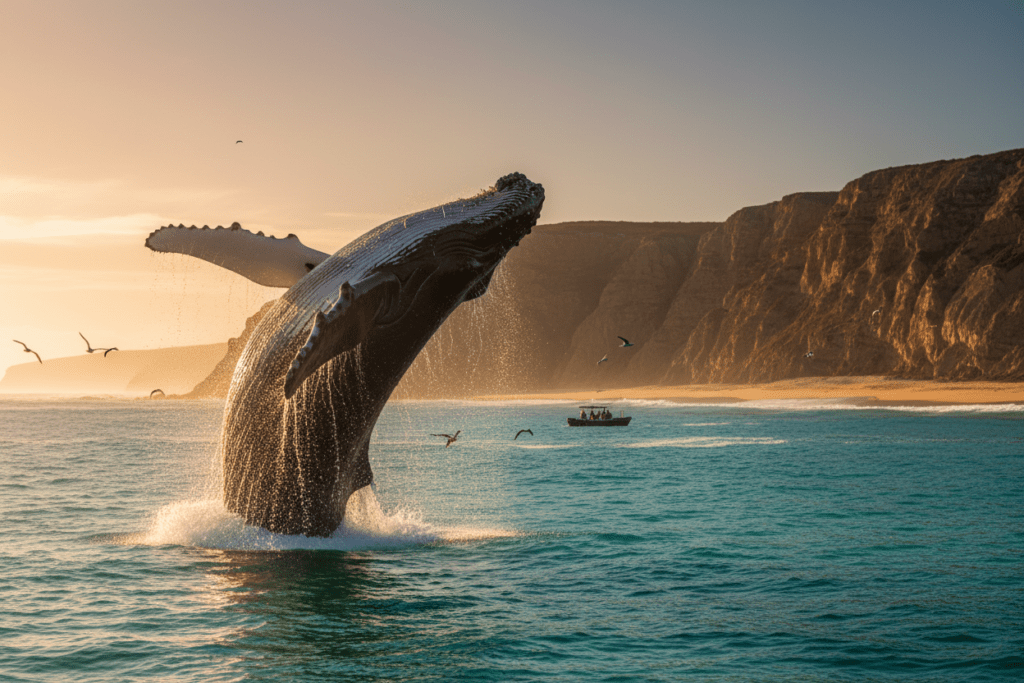
There’s something truly magical about witnessing a 40-ton whale breach the ocean’s surface just meters from where you stand. South Africa offers some of the world’s most spectacular whale watching opportunities, where these gentle giants migrate along the country’s stunning coastline between June and December. Whether you’re a first-time visitor or a seasoned marine life enthusiast, the South African coast delivers unforgettable encounters that will leave you in absolute awe.
The country’s unique position along two major ocean currents creates the perfect conditions for whale watching. The warm Agulhas Current meets the cold Benguela Current, creating nutrient-rich waters that attract various whale species. From the iconic Southern Right whales to magnificent Humpbacks and even the occasional Blue whale, South Africa’s waters host an incredible diversity of marine mammals.
Why South Africa is a Whale Watching Paradise
South Africa’s coastline stretches over 2,500 kilometers, offering multiple vantage points for whale observation. The country’s whale watching season runs from June through December, with peak activity occurring between July and November. During this period, Southern Right whales arrive to calve and nurse their young in the sheltered bays along the coast.
What makes South African whale watching particularly special is the proximity of these magnificent creatures to the shore. Unlike many destinations where you need boats to spot whales, South Africa offers excellent land-based viewing opportunities. Many whales come within 50 meters of the coastline, making it possible to observe their behavior without expensive boat trips.
The country has also implemented strict conservation measures to protect these marine mammals. Whale watching operators must maintain specific distances from the animals, ensuring both whale safety and sustainable tourism practices that benefit local communities.
Hermanus: The Whale Watching Capital
Hermanus rightfully claims the title of South Africa’s whale watching capital. This charming coastal town, located about 120 kilometers southeast of Cape Town, offers world-class whale viewing from its dramatic cliff paths. The town has even appointed an official “Whale Crier” who walks the streets with a kelp horn, announcing whale sightings to excited visitors.
Walker Bay, which fronts Hermanus, serves as a nursery for Southern Right whales. The bay’s calm, shallow waters provide perfect conditions for mothers to give birth and care for their calves. From the famous cliff path that stretches for 12 kilometers along the coastline, visitors can observe whales engaging in various behaviors including breaching, tail slapping, and spy-hopping.
The best land-based viewing spots in Hermanus include Gearing’s Point, the Old Harbour, and Kraal Rock. These locations offer elevated positions with unobstructed ocean views. During peak season, it’s not uncommon to spot multiple whale pods simultaneously from these vantage points.
For those preferring boat-based whale watching, Hermanus offers numerous operators providing responsible whale watching excursions. These trips typically last two to three hours and offer closer encounters while maintaining respectful distances from the animals.
Cape Town and the Cape Peninsula
Cape Town provides excellent whale watching opportunities without leaving the city limits. The V&A Waterfront, Sea Point Promenade, and Chapman’s Peak Drive all offer potential whale sighting locations. However, the real magic happens when you venture slightly outside the city center.
False Bay, on Cape Town’s eastern side, hosts significant whale activity during the season. The warmer waters of this bay attract Southern Right whales, and the elevated roads along the coastline provide excellent viewing opportunities. Muizenberg, Simon’s Town, and Cape Point are particularly rewarding locations for whale spotting.
The Cape Peninsula’s dramatic coastline creates numerous sheltered bays where whales feel comfortable approaching close to shore. Hout Bay often experiences spectacular whale activity, with whales frequently visible from the harbor area and surrounding mountains.
Boat-based whale watching from Cape Town’s V&A Waterfront offers a different perspective, with operators taking visitors into the open Atlantic Ocean where Humpback whales are commonly sighted during their migration. These excursions often combine whale watching with visits to Seal Island, creating comprehensive marine wildlife experiences.
Plettenberg Bay: A Marine Wildlife Haven
Plettenberg Bay, situated along the famous Garden Route, offers incredible marine biodiversity beyond just whales. This picturesque bay attracts multiple whale species, including Southern Rights, Humpbacks, and occasionally Bryde’s whales. The bay’s unique geography creates perfect conditions for marine life viewing.
The Robberg Peninsula provides elevated viewing points where visitors can scan the bay for whale activity. The peninsula’s hiking trails offer multiple vantage points, and whales are often spotted from these elevated positions. The contrast between the rugged coastline and the deep blue ocean creates stunning photographic opportunities.
Plettenberg Bay’s whale watching boat operators are known for their expertise and responsible practices. Many trips also include dolphin encounters, as the bay hosts large pods of bottlenose and common dolphins year-round. Some operators offer specialized photography trips for serious wildlife photographers.
The nearby Keurbooms River mouth and Lookout Beach frequently host whale activity. These locations are easily accessible and offer comfortable viewing conditions for families with children or elderly visitors who might find cliff hiking challenging.
De Hoop Nature Reserve: Remote and Spectacular
For those seeking a more remote and pristine whale watching experience, De Hoop Nature Reserve delivers unparalleled opportunities. Located along the Overberg coast, this protected area offers some of South Africa’s most dramatic whale encounters with minimal crowds.
The reserve’s coastline features towering limestone cliffs that provide elevated viewing platforms overlooking the ocean. During peak season, visitors often observe dozens of whales simultaneously from these vantage points. The absence of development and boat traffic means whales behave more naturally, often approaching very close to shore.
De Hoop’s accommodation options range from camping to comfortable cottages, allowing visitors to spend multiple days whale watching. Early morning and late afternoon typically offer the best viewing conditions, and staying overnight maximizes your chances of memorable encounters.
The reserve also protects significant terrestrial wildlife, including bontebok, eland, and over 260 bird species. This makes De Hoop an excellent destination for comprehensive wildlife experiences combining marine and terrestrial animal observations.
Gansbaai and the Dyer Island Area
Gansbaai, famous for its great white shark cage diving, also offers excellent whale watching opportunities. The town’s proximity to Dyer Island creates nutrient-rich waters that attract various marine species, including whales during migration season.
The Dyer Island ecosystem supports Southern Right whales, Humpbacks, and Bryde’s whales. Boat trips from Gansbaai often combine whale watching with shark cage diving, creating thrilling marine adventure packages. The area’s diverse marine ecosystem means encounters with seals, penguins, and various seabird species are also common.
Danger Point, near Gansbaai, provides land-based whale watching opportunities. The lighthouse area offers elevated views across Walker Bay, and whales are frequently spotted from this historic location. The contrast between the white lighthouse and the deep blue ocean creates stunning photographic compositions.
Planning Your South African Whale Watching Adventure
Timing is crucial for successful whale watching in South Africa. The season officially runs from June to December, but peak activity occurs between August and November. Southern Right whales typically arrive first, followed by Humpbacks during their northward migration.
Weather conditions significantly impact whale watching success. Calm, clear days offer the best visibility, while strong winds can make spotting whales challenging. Early morning hours often provide the calmest conditions and most active whale behavior.
When choosing between land-based and boat-based whale watching, consider your comfort level and desired experience. Land-based viewing offers stability and extended observation time, while boat trips provide closer encounters and different perspectives. Many visitors combine both approaches for comprehensive experiences.
Bring binoculars, sunscreen, warm clothing, and cameras with telephoto lenses. South African coastal weather can change quickly, so layered clothing is essential. Comfortable walking shoes are important for cliff path exploration.
Conservation and Responsible Whale Watching
South Africa takes whale conservation seriously, implementing strict regulations for both boat operators and land-based viewing. These measures ensure sustainable tourism while protecting whale populations for future generations.
Choose operators who follow responsible whale watching guidelines, maintain appropriate distances, and limit time spent with individual whales. Supporting these businesses contributes to conservation efforts and local community development.
Participate in citizen science projects by reporting whale sightings to organizations like the Whale Unit. Your observations contribute valuable data for ongoing research and conservation efforts.
South Africa’s whale watching destinations offer more than just marine encounters. These coastal communities provide rich cultural experiences, excellent cuisine, and stunning landscapes that create comprehensive travel experiences. From the wine regions near Hermanus to the Garden Route’s diverse attractions, whale watching becomes part of broader South African adventures.
The country’s whale watching industry supports thousands of jobs in coastal communities, making your visit a contribution to sustainable tourism development. Many operators employ local guides whose knowledge and passion enhance the overall experience while providing economic opportunities in previously disadvantaged communities.
Whether you choose the bustling whale festival atmosphere of Hermanus, the urban convenience of Cape Town, the Garden Route beauty of Plettenberg Bay, or the remote wilderness of De Hoop, South Africa delivers whale watching experiences that exceed expectations. These gentle giants, combined with the country’s stunning coastline and warm hospitality, create memories that last lifetimes. Plan your South African whale watching adventure today and prepare for encounters that will forever change your perspective on marine wildlife and the natural world.