Galapagos Travel: Exploring the Unique Bird Species of Floreana
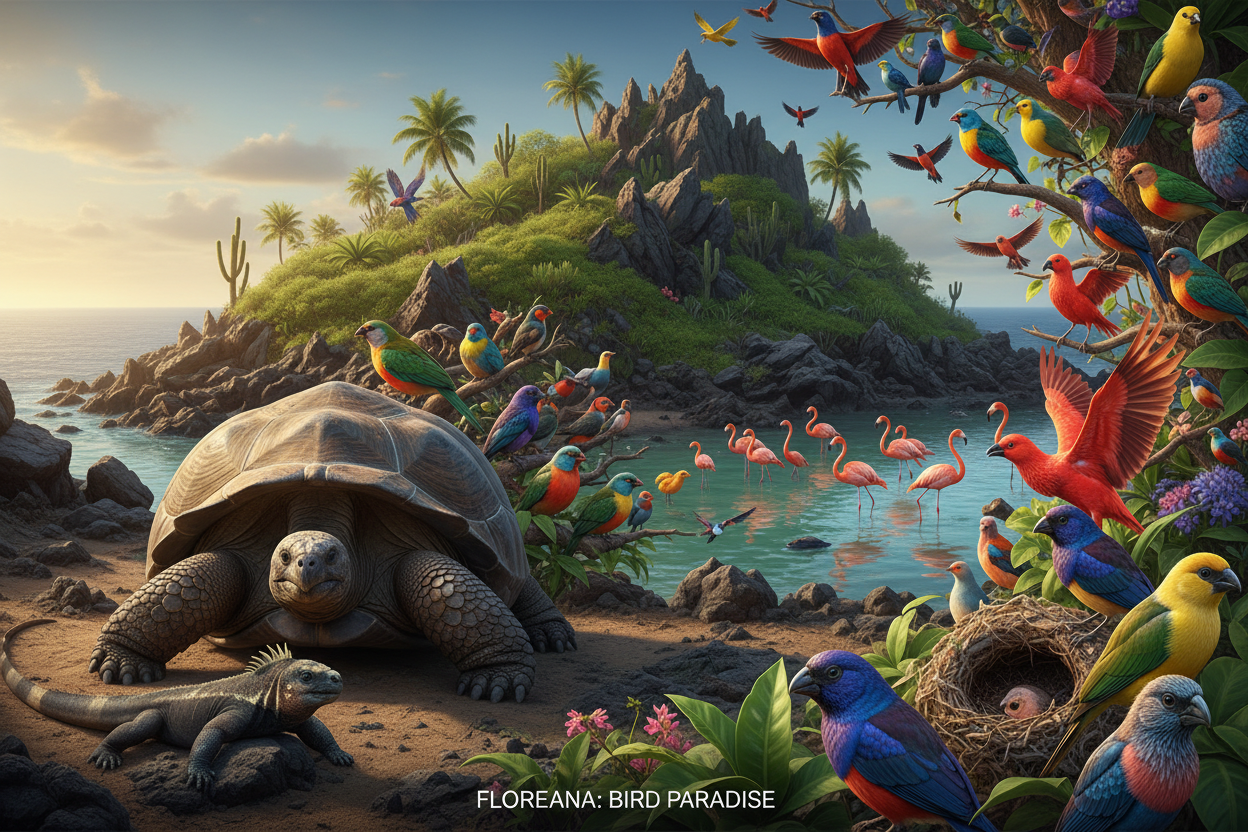
When most travelers think of the Galapagos Islands, their minds immediately drift to giant tortoises and marine iguanas. But for bird enthusiasts and nature lovers, there’s a hidden gem waiting to be discovered: Floreana Island and its extraordinary avian residents. As one of the smaller inhabited islands in the archipelago, Floreana offers an intimate glimpse into some of the most remarkable bird species found nowhere else on Earth.
I’ve had the privilege of visiting Floreana multiple times, and each journey reveals new wonders about this volcanic island’s feathered inhabitants. From the critically endangered Medium Tree Finch to the vibrant Vermilion Flycatcher, Floreana’s bird life tells a story of evolution, adaptation, and conservation that will leave you spellbound.
Why Floreana Island Is a Birder’s Paradise
Floreana Island, also known as Charles Island, spans just 173 square kilometers but packs an incredible diversity of habitats within its borders. The island’s varied topography creates distinct ecological zones, from coastal mangroves to highland forests, each supporting different bird communities. This habitat diversity, combined with the island’s relative isolation, has allowed unique species to evolve and thrive.
What makes Floreana particularly special for bird watching is its accessibility and the intimate encounters it offers. Unlike some of the larger islands where wildlife can feel distant, Floreana’s compact size means you’re never far from extraordinary bird sightings. The island’s small human population of around 140 residents has also meant less habitat disturbance, preserving crucial nesting and feeding areas for endemic species.
The Crown Jewel: Floreana’s Endemic Medium Tree Finch
Perhaps no bird embodies Floreana’s conservation story more than the Medium Tree Finch. This small, brownish bird might not win any beauty contests, but its rarity makes it one of the most sought-after species by visiting birders. With fewer than 100 individuals remaining in the wild, the Medium Tree Finch is critically endangered and found exclusively on Floreana Island.
During my last visit, our guide pointed out the subtle differences that distinguish this finch from its more common relatives. The Medium Tree Finch has a slightly curved beak, perfectly adapted for extracting insects from bark crevices. Watching these birds forage in the Scalesia forest was like witnessing a living piece of evolutionary history.
Conservation efforts for this species are ongoing, with researchers working tirelessly to understand their breeding habits and habitat requirements. The Charles Darwin Foundation has implemented various programs to protect remaining populations, making every sighting a privilege and a reminder of our responsibility to preserve these unique ecosystems.
Coastal Wonders: Seabirds of Floreana’s Shores
Floreana’s coastline provides excellent opportunities to observe several seabird species that have adapted to life between land and sea. The island’s beaches and rocky shores serve as important nesting and feeding areas for these remarkable birds.
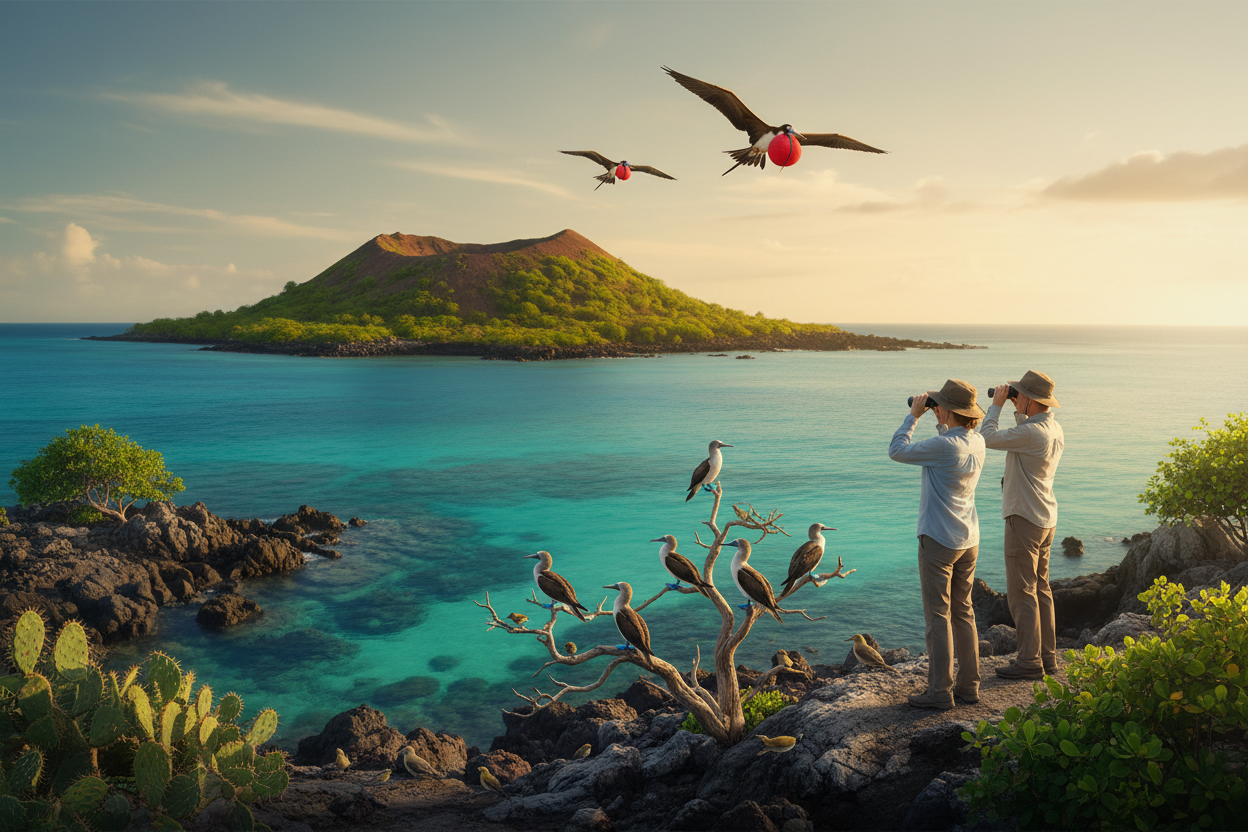
Blue-footed Boobies are perhaps the most charismatic of Floreana’s coastal residents. These large seabirds, with their distinctive bright blue feet and comical courtship dances, nest on the island’s cliffs and rocky outcrops. I’ve spent hours watching their elaborate mating rituals, where males show off their feet in an almost choreographed display that never fails to entertain visitors.
Nazca Boobies, formerly known as Masked Boobies, also call Floreana home. These impressive birds, with their stark white plumage and black wing tips, are skilled divers that plunge into the ocean from considerable heights to catch fish. Their nesting colonies on Floreana provide excellent photography opportunities for those patient enough to observe their behaviors.
Brown Pelicans patrol the island’s shores, their prehistoric appearance adding drama to any coastal walk. These ancient-looking birds have perfected the art of fishing, often seen diving in formation or gliding just inches above the water’s surface.
Highland Forest Inhabitants: Discovering Floreana’s Land Birds
The transition from Floreana’s coast to its interior highlands reveals an entirely different bird community. The island’s Scalesia forest, a unique ecosystem found only in the Galapagos, hosts several endemic and native species that have adapted to life in this misty, cloud-covered environment.
The Vermilion Flycatcher stands out as one of Floreana’s most photogenic residents. Males display brilliant red plumage that seems almost too vibrant to be real, while females sport more subdued yellow and gray tones. These small insectivores are active hunters, often seen perching on exposed branches before darting out to catch flying insects.
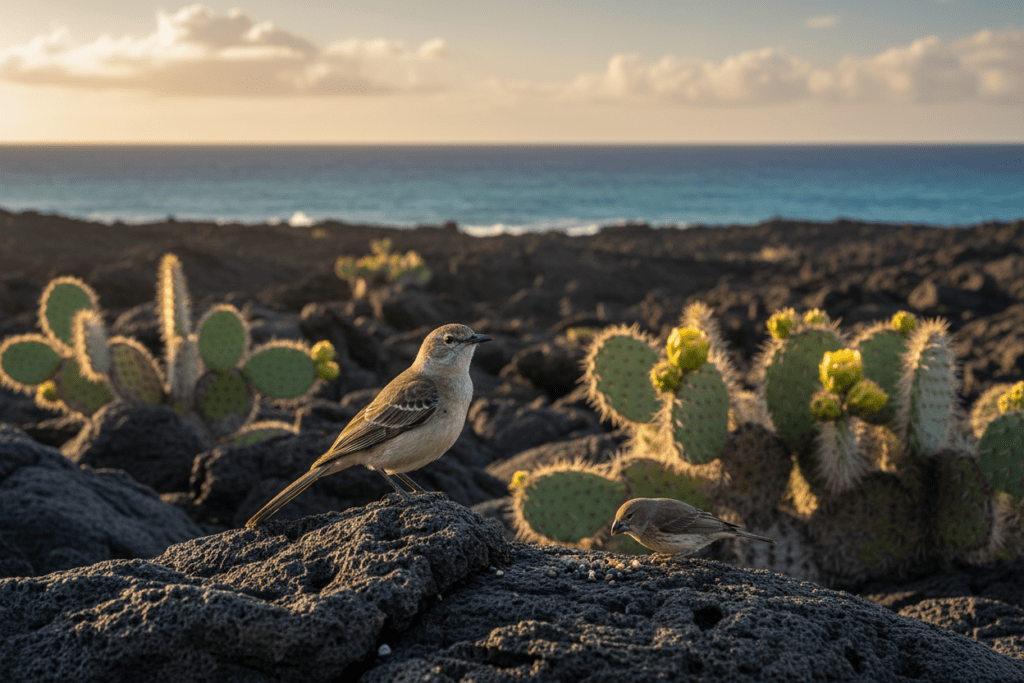
Galapagos Mockingbirds, one of the species that helped inspire Darwin’s theory of evolution, are common throughout Floreana’s various habitats. These intelligent, curious birds often approach visitors, displaying the fearless behavior that characterizes much of Galapagos wildlife. Each island’s mockingbird population has evolved distinct characteristics, making Floreana’s population unique among the archipelago.
Small Ground Finches and Medium Ground Finches are also abundant on Floreana, representing the famous Darwin’s finches that played such a crucial role in our understanding of natural selection. Observing these birds and noting the subtle differences in their beak shapes and feeding behaviors provides visitors with a hands-on lesson in evolutionary biology.
Seasonal Migrations and Visiting Patterns
Timing your visit to Floreana can significantly impact your bird watching experience. The island experiences two distinct seasons that affect bird behavior, breeding cycles, and species visibility.
The warm season, from December to May, coincides with the breeding period for many species. During this time, you’ll witness elaborate courtship displays, nest-building activities, and the presence of juvenile birds. The Vermilion Flycatchers are particularly active during this period, with males performing aerial displays to attract mates.
The cool season, from June to November, brings different opportunities. Many seabirds are more active in their feeding behaviors, and the cooler temperatures make highland exploration more comfortable. This is also when some migratory species may pass through the area, adding variety to your bird watching checklist.
Weather patterns also influence bird activity throughout the day. Early morning hours, just after sunrise, typically offer the best bird watching opportunities as many species are most active during cooler temperatures. Late afternoon can also be productive, particularly for observing seabirds returning to their roosts.
Conservation Challenges and Success Stories
Floreana’s bird populations face several conservation challenges that reflect broader issues affecting Galapagos wildlife. Introduced species, habitat loss, and climate change all pose threats to the island’s delicate ecosystems.
The introduction of non-native species has been particularly problematic. Feral cats, rats, and invasive plants have all impacted native bird populations. However, ongoing conservation efforts provide hope for the future. The Galapagos National Park Service and various international organizations have implemented comprehensive programs to control invasive species and restore native habitats.
One of the most ambitious projects involves the potential reintroduction of locally extinct species to Floreana. The Floreana Mockingbird, which once inhabited the island but now survives only on two small offshore islets, may eventually return to its ancestral home thanks to careful planning and habitat restoration efforts.
These conservation initiatives demonstrate the importance of sustainable tourism and responsible travel practices. Visitors to Floreana play a crucial role in supporting these efforts through park fees, guided tour participation, and adherence to strict wildlife viewing guidelines.
Planning Your Floreana Bird Watching Adventure
Visiting Floreana requires some planning, as the island is less frequently visited than some of its larger neighbors. Most tours to Floreana are part of multi-day Galapagos itineraries that include several islands. However, this relative isolation is part of what makes the experience so special.
The best way to explore Floreana’s bird life is through organized tours with certified naturalist guides. These experts possess intimate knowledge of local species, their behaviors, and the best locations for sightings. They also ensure that your visit follows strict conservation guidelines that protect the island’s fragile ecosystems.
Essential equipment for bird watching on Floreana includes good binoculars, a camera with a telephoto lens, and appropriate clothing for various climates. The island’s elevation changes mean you might experience everything from warm coastal conditions to cool, misty highlands in a single day.
Accommodation options on Floreana are limited but charming, with small guesthouses offering authentic experiences and close connections to the local community. Staying overnight allows for early morning and late afternoon bird watching sessions when wildlife activity is at its peak.
Conclusion: A Living Laboratory of Evolution
Floreana Island represents far more than just another destination on a Galapagos itinerary. It’s a living laboratory where evolution continues to unfold before our eyes, where each bird species tells a unique story of adaptation and survival. From the critically endangered Medium Tree Finch to the abundant Darwin’s finches, every feathered resident of this remarkable island contributes to our understanding of the natural world.
The intimate scale of Floreana makes it an ideal destination for both serious birders and casual nature enthusiasts. Unlike crowded wildlife destinations elsewhere in the world, Floreana offers peaceful, contemplative encounters with some of the planet’s most extraordinary birds. The island’s conservation challenges remind us of our responsibility as travelers to support sustainable tourism practices that ensure these species will continue to thrive for future generations.
Whether you’re drawn by the scientific significance of Darwin’s finches, the beauty of tropical seabirds, or the conservation story of endemic species, Floreana delivers an unforgettable bird watching experience. In a world where unique wildlife faces increasing pressures, this small volcanic island stands as a beacon of hope and a testament to the power of dedicated conservation efforts.