
Cuba Travel: A Guide to the Best Day Trips from Havana
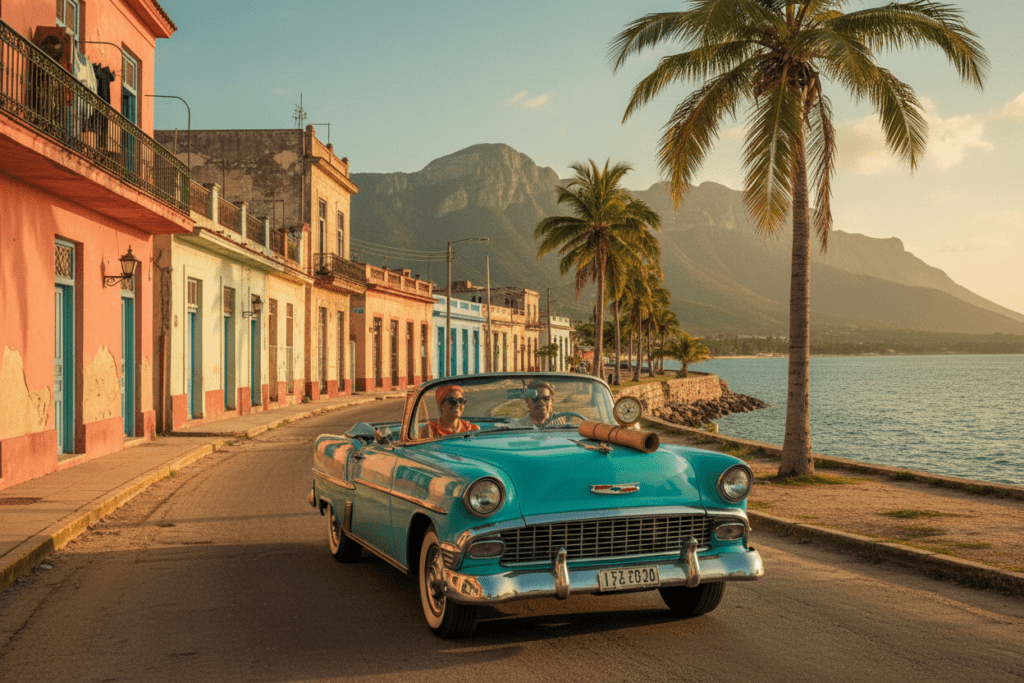
Havana captivates visitors with its vibrant streets, colonial architecture, and infectious energy, but Cuba’s treasures extend far beyond the capital’s borders. While you could easily spend weeks exploring Havana’s neighborhoods, venturing out on day trips reveals the island’s diverse landscapes, rich history, and authentic Cuban culture that lies just beyond the city limits.
From pristine beaches and lush valleys to historic towns and natural wonders, the areas surrounding Havana offer incredible experiences that showcase Cuba’s multifaceted character. Whether you’re drawn to revolutionary history, colonial charm, or simply want to escape the urban bustle for some Caribbean paradise, these carefully selected day trips will enrich your Cuban adventure and create memories that last long after you’ve returned home.
Viñales Valley: A Journey into Cuba’s Tobacco Heartland
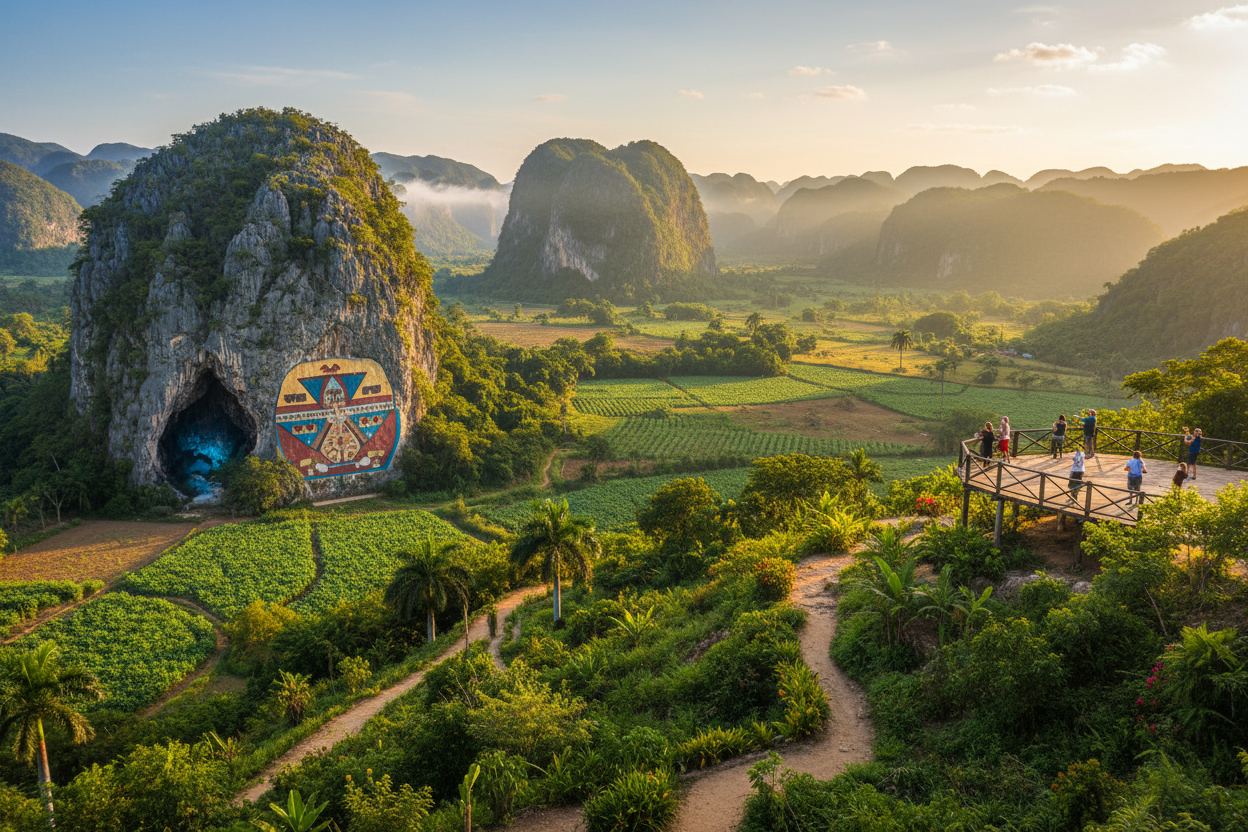
Just two and a half hours west of Havana, the Viñales Valley stands as one of Cuba’s most breathtaking natural destinations. This UNESCO World Heritage site enchants visitors with its dramatic limestone formations called mogotes, which rise like ancient monuments from the fertile valley floor. The landscape here feels almost prehistoric, with these towering rock formations creating a mystical backdrop for traditional tobacco farms that have operated for generations.
The real magic of Viñales lies in its authentic rural atmosphere. As you wander through the valley, you’ll encounter farmers who still cultivate tobacco using methods passed down through their families. Many are happy to demonstrate the intricate process of growing and curing the leaves that become Cuba’s world-famous cigars. The experience of watching a master tobacco farmer roll a cigar by hand, using leaves grown on the very soil beneath your feet, connects you directly to one of Cuba’s most celebrated traditions.
Beyond tobacco farms, Viñales offers excellent hiking opportunities through its unique karst landscape. The Cueva del Indio provides an underground boat ride through limestone caverns, while the Mural de la Prehistoria, a controversial but colorful rock painting depicting evolution, offers insight into Cuba’s artistic ambitions during the revolutionary period. For the best views of the valley, climb to the Hotel Los Jazmines viewpoint or venture to the Mirador de los Jazmines, where the panoramic vistas stretch endlessly across this remarkable landscape.
Trinidad: Colonial Splendor Frozen in Time
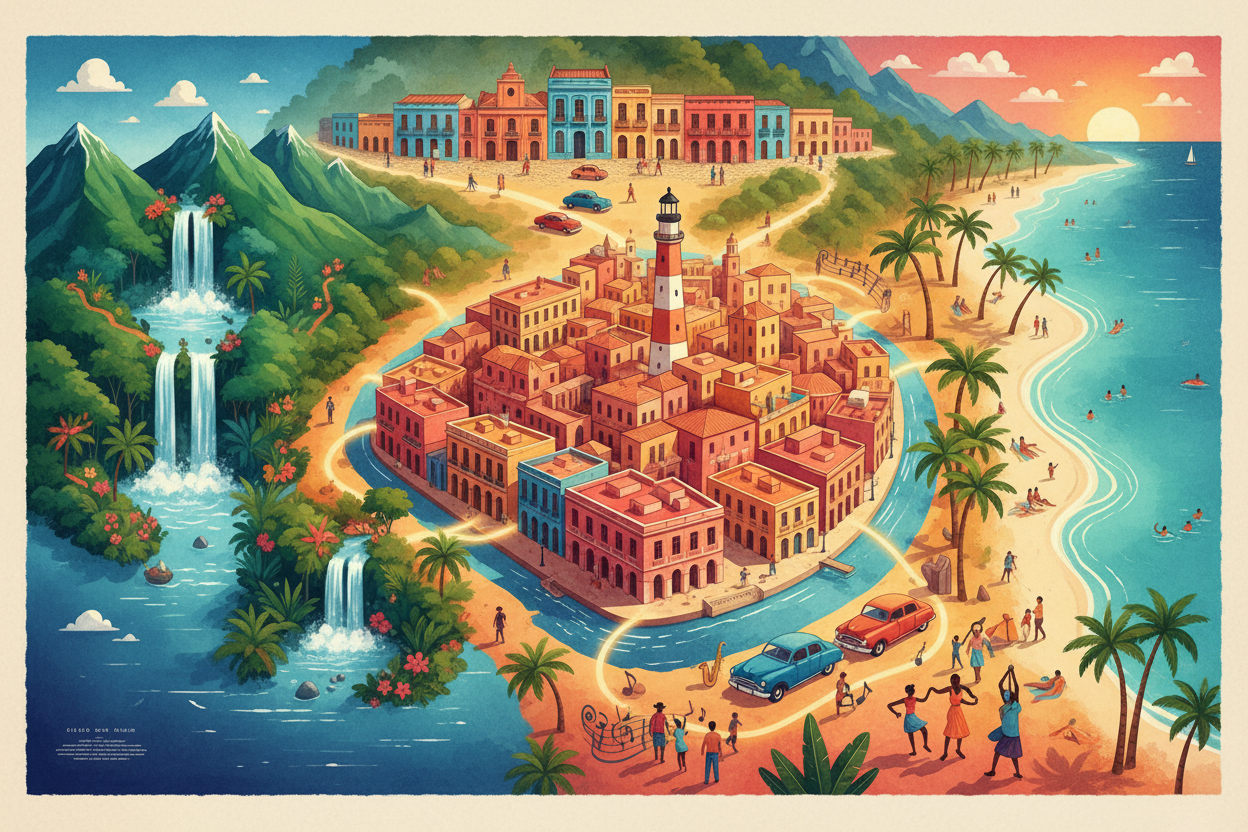
Trinidad represents Cuba at its most romantically preserved, a colonial masterpiece that transports visitors back to the 16th century. Located about four hours southeast of Havana, this UNESCO World Heritage city rewards the journey with cobblestone streets, pastel-colored mansions, and an atmosphere so authentic it feels like stepping into a living museum.
The city’s wealth originally came from sugar plantations and slave labor, a complex history that’s thoughtfully presented in several museums throughout the historic center. The Museo Romántico, housed in the former Palacio Brunet, showcases the opulent lifestyle of Trinidad’s sugar barons, while the Museo de Arquitectura Colonial provides fascinating insights into the construction techniques that created these enduring structures.
Plaza Mayor serves as Trinidad’s beating heart, surrounded by magnificent colonial buildings that now house museums, restaurants, and craft shops. The nearby Iglesia Parroquial de la Santísima Trinidad, with its distinctive bell tower, offers spectacular views over the terracotta rooftops and surrounding countryside. As evening approaches, Trinidad transforms into a magical wonderland as warm light spills from windows and doorways, creating perfect conditions for photography and romantic strolls.
Don’t miss the nearby Valle de los Ingenios, where the remains of sugar mills and slave quarters tell the sobering story of Cuba’s colonial economy. The Manaca Iznaga tower, climbing 45 meters above the valley, provides breathtaking views and serves as a powerful reminder of the region’s complex past.
Varadero Beach: Caribbean Paradise Within Reach
When the Caribbean calls, Varadero answers with 20 kilometers of pristine white sand beaches and crystal-clear turquoise waters. Located on the Hicacos Peninsula, approximately two hours east of Havana, Varadero represents Cuba’s most famous beach destination and offers the perfect antidote to urban exploration.
Unlike many Caribbean beach destinations that feel overly commercialized, Varadero maintains a distinctly Cuban character despite its resort development. The beach itself stretches endlessly along the peninsula, providing ample space to find your perfect spot whether you prefer active water sports or peaceful relaxation. The calm, warm waters make swimming a joy year-round, while the consistent trade winds create ideal conditions for sailing and windsurfing.
Beyond lounging on the beach, Varadero offers several interesting diversions. The Cueva de Ambrosio contains ancient indigenous cave paintings that provide glimpses into pre-Columbian Cuba. For nature lovers, the nearby Reserva Ecológica Varadero protects important coastal ecosystems and offers hiking trails through diverse habitats where you might spot endemic bird species and other wildlife.
The town of Varadero itself maintains a charming, laid-back atmosphere with local restaurants serving fresh seafood and traditional Cuban dishes. Many visitors enjoy exploring the area by bicycle, which allows easy access to hidden beaches and local neighborhoods away from the main resort strip.
Bay of Pigs: History and Natural Beauty Combined
The Bay of Pigs, known locally as Bahía de Cochinos, carries enormous historical significance while offering some of Cuba’s best natural attractions. Located about three hours southeast of Havana, this region combines important revolutionary history with exceptional diving, pristine beaches, and unique ecological sites.
The failed 1961 invasion attempt by CIA-backed Cuban exiles transformed this peaceful bay into a pivotal moment in Cold War history. The Museo Playa Girón provides comprehensive coverage of these events from the Cuban perspective, featuring artifacts, photographs, and detailed accounts of the three-day conflict that strengthened Castro’s government and deepened Cuba’s relationship with the Soviet Union.
Beyond its historical importance, the Bay of Pigs region offers outstanding natural attractions. Playa Girón and Playa Larga provide excellent swimming and snorkeling opportunities in clear, warm waters. The area is particularly renowned among divers for its accessible cenotes – freshwater sinkholes that create unique underwater environments. Cenote Azul, a stunning blue hole surrounded by lush vegetation, offers both swimming and diving opportunities in remarkably clear water.
The nearby Zapata Peninsula encompasses Cuba’s largest wetland area, home to diverse wildlife including crocodiles, manatees, and over 170 bird species. Birdwatchers particularly prize this region for opportunities to spot endemic species like the Zapata rail and Cuban sandhill crane. The contrast between historical sites, beautiful beaches, and pristine wilderness makes the Bay of Pigs region uniquely compelling for day trip exploration.
Matanzas: The Athens of Cuba
Often overlooked by tourists rushing to nearby Varadero, Matanzas deserves recognition as one of Cuba’s most culturally significant cities. Located just 90 minutes east of Havana, this historic port city earned the nickname “Athens of Cuba” for its rich intellectual and artistic heritage during the 19th century.
Matanzas played a crucial role in developing Cuban culture, particularly in music and literature. The city claims to be the birthplace of rumba and danzón, two musical styles that became integral to Cuban identity. The beautifully restored Teatro Sauto, dating from 1863, continues to host performances and offers guided tours that showcase its remarkable neoclassical architecture and cultural importance.
The city’s location at the confluence of three rivers created natural advantages for trade and industry, leading to significant wealth during the colonial period. This prosperity funded the construction of impressive buildings that still grace the city center, including the Cathedral of San Carlos Borromeo and numerous mansions that reflect various architectural influences.
For a unique perspective on the city and surrounding landscape, visit the Hermitage of Monserrate, perched on a hill overlooking Matanzas Bay. The views from this 19th-century chapel encompass the city, bay, and distant mountains, providing excellent photography opportunities and peaceful moments away from urban activity. The nearby Bellamar Caves offer underground exploration through impressive limestone formations decorated with stalactites and stalagmites.
Planning Your Perfect Day Trip Adventure
Successfully exploring Cuba’s diverse regions from Havana requires some practical planning, but the rewards far exceed the effort involved. Most day trips work best with early morning departures, allowing maximum time at your destination while ensuring comfortable return travel before dark.
Transportation options vary depending on your budget and travel style. Organized tours provide convenience and local expertise but limit flexibility and authentic interactions. Renting a car offers maximum freedom but requires confidence navigating Cuban roads and fuel availability. Private taxi arrangements often provide the best balance of convenience and cost, especially when shared among several travelers.
Consider packing essentials like sunscreen, water, snacks, and a good camera, as facilities outside Havana can be limited. Cash remains king throughout Cuba, so ensure adequate pesos for meals, entrance fees, and tips. Many destinations lack reliable internet access, making offline maps and translation apps valuable tools.
Weather considerations play an important role in trip planning. Cuba’s tropical climate means afternoon thunderstorms are common, particularly during summer months. Morning departures not only maximize sightseeing time but often provide the most comfortable temperatures and clearest skies for photography.
Making the Most of Your Cuban Day Trip Experience
The magic of Cuban day trips lies not just in reaching destinations but in embracing the journey itself. Cuba’s infrastructure challenges often transform simple transportation into cultural experiences, providing opportunities to interact with locals, observe rural life, and appreciate the island’s resilience and creativity.
Each destination offers unique opportunities for authentic cultural exchange. Whether learning about tobacco cultivation from Viñales farmers, discussing colonial history with Trinidad guides, or sharing beach time with Cuban families at Varadero, these interactions often become trip highlights that no guidebook can adequately describe.
Photography enthusiasts will find endless inspiration throughout these regions, from Viñales’ dramatic landscapes and Trinidad’s colonial architecture to the Bay of Pigs’ historical sites and Matanzas’ cultural landmarks. The quality of light in Cuba, particularly during golden hour, creates magical conditions for capturing memories.
Remember that Cuba operates at a different pace than many visitors expect. Embrace the slower rhythm, allow extra time for unexpected discoveries, and remain flexible when plans change. Some of the most memorable experiences often come from unplanned detours and spontaneous conversations with locals who are genuinely interested in sharing their culture with respectful visitors.
These day trips from Havana offer just a taste of Cuba’s incredible diversity, from natural wonders and historical sites to cultural treasures and pristine beaches. Each destination provides unique insights into different aspects of Cuban life, creating a richer understanding of this fascinating island nation. Whether you choose one destination for deeper exploration or attempt to visit several during your stay, these adventures beyond Havana will undoubtedly enhance your Cuban experience and leave you planning your return before you’ve even departed.