Antarctica Travel: Understanding the Role of Ice Shelves in the World’s Last Wilderness
Standing at the edge of the world’s most pristine wilderness, few travelers truly grasp the magnificent complexity beneath their feet. Antarctica’s ice shelves represent one of nature’s most extraordinary phenomena, serving as both guardians of global climate stability and gateways to understanding our planet’s future. For adventurous souls planning an Antarctic expedition, comprehending these massive floating ice formations transforms a simple journey into a profound educational experience that connects you to Earth’s most critical environmental systems.
These colossal ice structures, some larger than entire countries, play an irreplaceable role in regulating sea levels, supporting unique ecosystems, and providing invaluable scientific insights. As climate change accelerates, witnessing these ancient formations becomes increasingly urgent for both scientists and conscious travelers seeking to understand our planet’s delicate balance.
What Are Ice Shelves and How Do They Form?
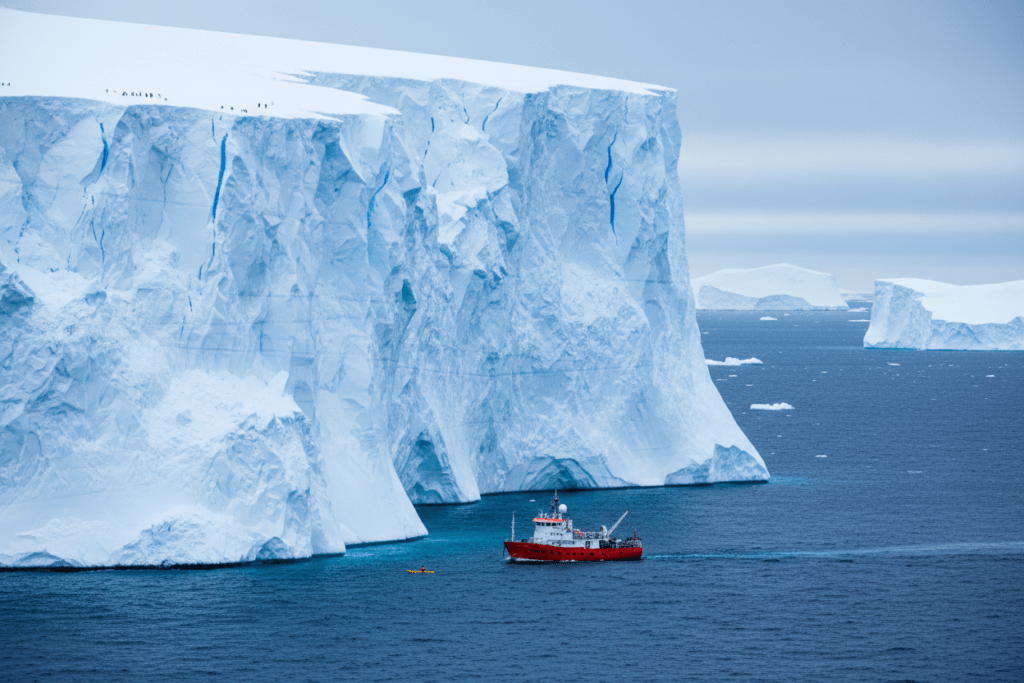
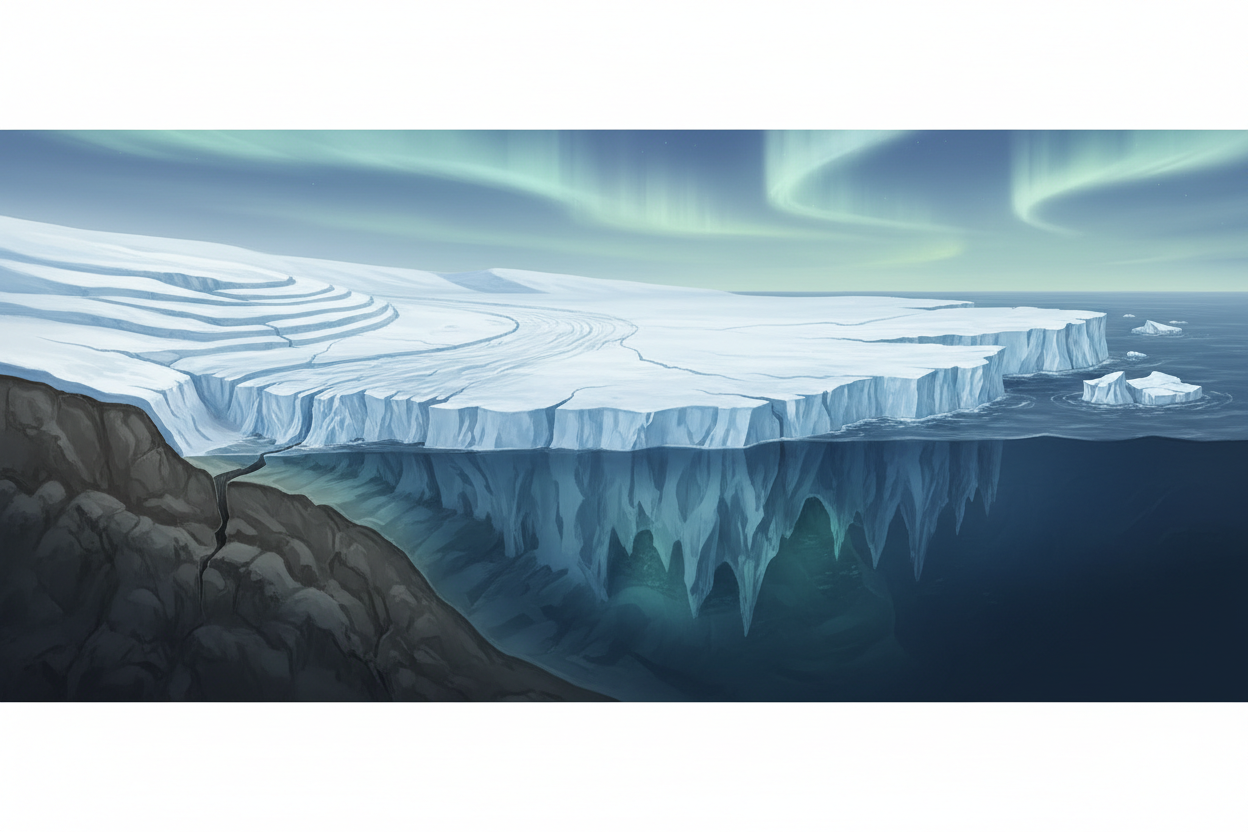
Ice shelves are thick floating platforms of ice that form where glaciers and ice sheets extend over the ocean. Unlike sea ice, which forms directly from frozen seawater, ice shelves originate from accumulated snowfall on land that compresses into ice over thousands of years. This process creates massive structures that can extend hundreds of kilometers into the ocean while remaining attached to the continental ice sheet.
The formation process begins when glacial ice flows from the Antarctic interior toward the coast. As this ice reaches the ocean, it doesn’t immediately break off but continues flowing over the water, supported by its own buoyancy and the surrounding geography. The result is a floating ice platform that can be several hundred meters thick, with roughly 90% of its mass hidden beneath the water surface.
Antarctica hosts several major ice shelves, including the Ross Ice Shelf, roughly the size of France, and the Ronne Ice Shelf, comparable to Spain in area. These formations represent some of the most stable ice structures on Earth, having existed for millennia and serving as natural laboratories for understanding ice dynamics and climate history.
The Critical Role of Ice Shelves in Global Climate Regulation
Ice shelves function as Earth’s natural thermostat, playing a crucial role in maintaining global climate stability. Their bright white surfaces reflect sunlight back into space, helping to keep our planet cool through a process called the albedo effect. Without these massive reflective surfaces, significantly more solar energy would be absorbed by the darker ocean waters, accelerating global warming.
Perhaps more importantly, ice shelves act as natural barriers that slow the flow of glacial ice from the Antarctic continent into the ocean. Think of them as massive corks in a bottle, holding back the enormous ice sheets behind them. When ice shelves collapse or retreat, the glaciers they once restrained accelerate their flow toward the sea, contributing directly to global sea level rise.
The buttressing effect of ice shelves cannot be overstated. Scientific studies have shown that when major ice shelves collapse, the glaciers feeding them can increase their flow speed by up to 800%. This acceleration has profound implications for coastal communities worldwide, as even modest increases in ice discharge from Antarctica can affect sea levels globally within decades rather than centuries.
Ice Shelves as Unique Antarctic Ecosystems
Beneath the seemingly barren surface of Antarctic ice shelves lies a surprisingly vibrant ecosystem that challenges our understanding of life in extreme environments. The underside of ice shelves creates a unique habitat where specialized organisms have evolved to thrive in perpetual darkness and near-freezing temperatures.
Marine biologists have discovered diverse communities of fish, invertebrates, and microorganisms living in the cavity beneath ice shelves. These creatures have adapted remarkable survival strategies, including antifreeze proteins that prevent ice crystals from forming in their bodies. Some species found here exist nowhere else on Earth, making ice shelf environments crucial for biodiversity conservation.
The interaction between ice shelves and marine life also influences ocean circulation patterns. As ice shelves melt from below, they release fresh water that affects the density and movement of surrounding seawater. This process contributes to the formation of deep ocean currents that transport nutrients and heat around the globe, supporting marine ecosystems far from Antarctica.
Scientific Research and Climate Change Indicators
For climate scientists, ice shelves serve as invaluable archives of Earth’s climate history and real-time indicators of environmental change. Ice cores extracted from these formations contain atmospheric data spanning hundreds of thousands of years, providing crucial information about past climate conditions, atmospheric composition, and natural climate variability.
Modern satellite technology allows researchers to monitor ice shelf behavior with unprecedented precision. Changes in ice shelf thickness, flow velocity, and extent provide early warning signals for larger climate system changes. The dramatic collapse of the Larsen B Ice Shelf in 2002, which disintegrated in just 35 days after existing for over 10,000 years, demonstrated how quickly these seemingly permanent structures can respond to changing environmental conditions.
Current research focuses on understanding the complex interactions between warming ocean temperatures, atmospheric conditions, and ice shelf stability. Scientists use sophisticated computer models to predict how ice shelves might respond to future climate scenarios, information that’s crucial for planning adaptation strategies for sea level rise and other climate impacts.
What Travelers Can Expect When Visiting Ice Shelf Regions
Experiencing ice shelves during an Antarctic expedition offers travelers a perspective on scale and time that’s impossible to replicate elsewhere. Standing on or near these massive ice formations provides a tangible connection to geological processes that span millennia and climate systems that affect the entire planet.
Most Antarctic cruises that visit ice shelf regions focus on accessible areas like the Ross Ice Shelf or smaller ice shelves along the Antarctic Peninsula. Travelers typically observe these formations from ship decks or during helicopter flights, though some specialized expeditions offer the opportunity to actually walk on ice shelf surfaces under strict safety protocols.
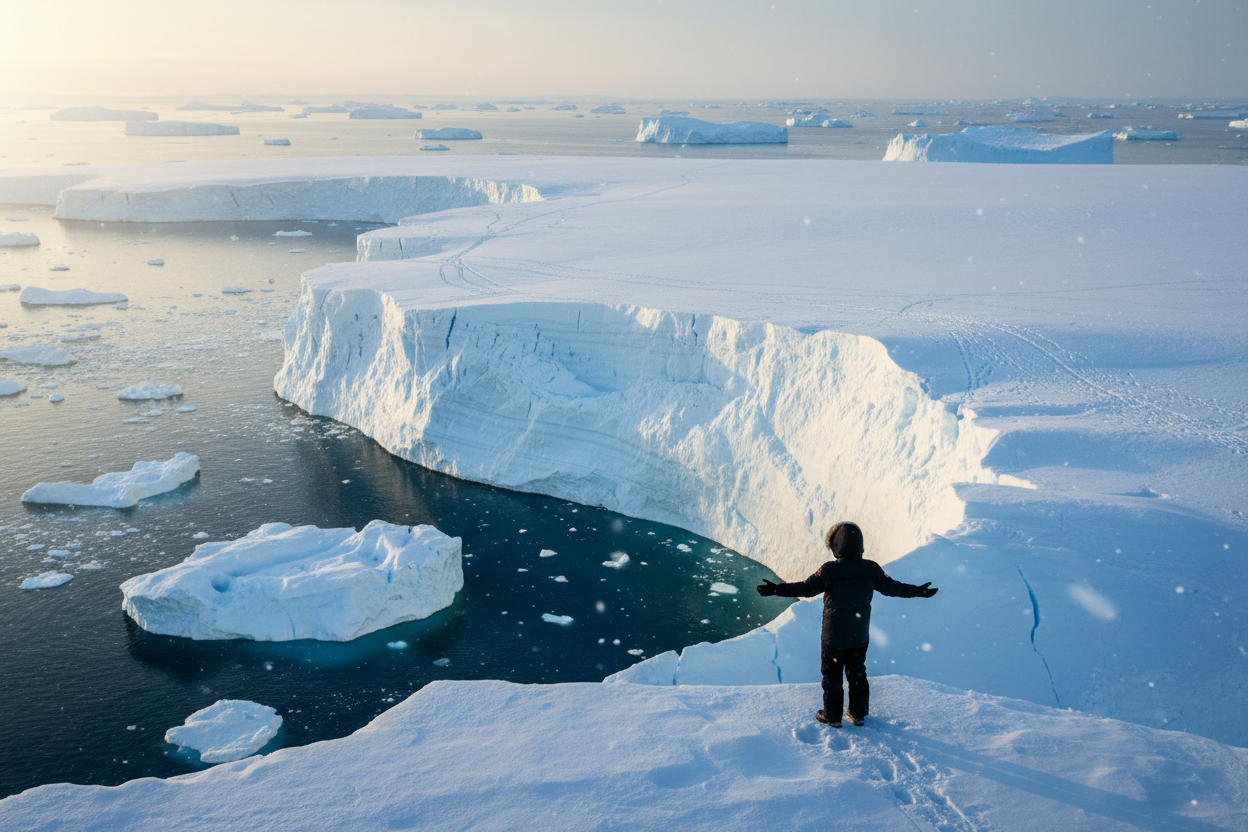
The visual experience is unforgettable. Ice shelves present seemingly endless expanses of white, broken by dramatic crevasses and ice formations that reveal the dynamic forces at work. The scale becomes apparent when you realize that the horizon you’re viewing might be hundreds of kilometers away, all consisting of floating ice that could be several hundred meters thick.
Photography enthusiasts will find ice shelves particularly rewarding subjects, as the interplay of light, shadow, and ice creates constantly changing landscapes. The best viewing conditions often occur during the Antarctic summer months when extended daylight hours provide optimal lighting for observation and photography.
Planning Your Ice Shelf Adventure: Practical Considerations
Visiting ice shelf regions requires careful planning and realistic expectations about accessibility and weather conditions. Most commercial Antarctic expeditions that include ice shelf viewing operate between November and March, when weather conditions are most favorable and daylight hours are longest.
The type of expedition you choose significantly affects your ice shelf experience. Traditional cruise ships offer excellent viewing opportunities from comfortable observation decks, while expedition vessels with zodiac capabilities might provide closer access to ice shelf edges. Specialized flights over Antarctica offer aerial perspectives that showcase the true scale of these formations.
Weather plays a crucial role in ice shelf accessibility. Antarctic conditions can change rapidly, and expedition leaders prioritize safety over sightseeing schedules. Flexible itineraries and patience are essential, as the best ice shelf viewing opportunities often depend on favorable weather windows that can’t be predicted far in advance.
Physical preparation for ice shelf regions should include appropriate cold weather clothing and sun protection. The combination of bright ice surfaces and high altitude can create intense UV exposure, making quality sunglasses and sunscreen essential even in freezing temperatures.
Conservation and Future Challenges
The future of Antarctic ice shelves represents one of the most significant environmental challenges of our time. Current warming trends threaten the stability of these formations, with potential consequences that extend far beyond Antarctica’s borders. Understanding this challenge adds urgency and meaning to any ice shelf visit.
Tourism to ice shelf regions, when conducted responsibly, can play a positive role in conservation efforts. Travelers who witness these formations firsthand often become passionate advocates for climate action and Antarctic protection. The emotional impact of experiencing these landscapes creates lasting connections that translate into support for scientific research and environmental policy.
Responsible travel practices in ice shelf regions include following strict environmental guidelines, supporting operators committed to sustainable practices, and choosing expeditions that contribute to scientific research. Many Antarctic tour operators now partner with research institutions, allowing travelers to participate in citizen science projects that contribute valuable data to ongoing studies.
Conclusion: The Lasting Impact of Ice Shelf Encounters
Visiting Antarctica’s ice shelves offers more than spectacular scenery; it provides a profound connection to Earth’s climate system and a deeper understanding of our planet’s environmental challenges. These massive ice formations serve as both witnesses to Earth’s climate history and indicators of its future, making them essential destinations for conscious travelers seeking meaningful experiences.
The role of ice shelves in global climate regulation, marine ecosystems, and sea level stability makes them crucial components of Earth’s environmental system. As climate change continues to affect these formations, the opportunity to witness their current state becomes increasingly valuable for both personal enrichment and environmental awareness.
For travelers planning Antarctic expeditions, understanding ice shelves enhances every aspect of the journey. From appreciating the scale of geological processes to recognizing the urgency of climate action, ice shelf encounters transform tourism into education and inspiration into action. In our rapidly changing world, these ancient ice formations remind us of both the power of natural systems and our responsibility to protect them for future generations.