Hawaii Travel: Discovering the Ancient Petroglyphs
When most travelers think of Hawaii, images of pristine beaches, volcanic landscapes, and swaying palm trees come to mind. While these natural wonders certainly deserve their fame, the Hawaiian Islands hold secrets far older and more mysterious than their geological formations. Hidden across the archipelago’s volcanic rock surfaces lie thousands of ancient petroglyphs—carved symbols that tell the stories of Hawaii’s earliest inhabitants and offer a fascinating glimpse into Polynesian culture that dates back over a thousand years.
These remarkable rock carvings, known as “ki’i pohaku” in Hawaiian, represent one of the most significant collections of prehistoric art in the Pacific. For the culturally curious traveler, discovering Hawaii’s petroglyphs offers an enriching experience that goes far beyond the typical tourist trail, connecting visitors with the islands’ rich heritage in ways that few other attractions can match.
Understanding Hawaiian Petroglyphs: Windows to the Past
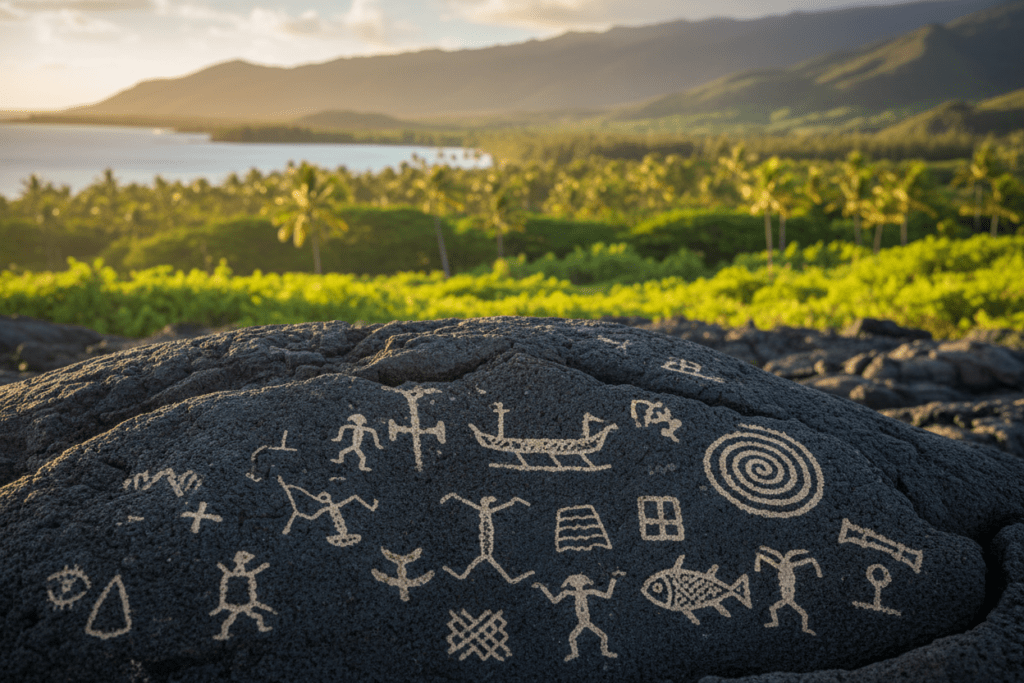
Hawaiian petroglyphs are far more than simple rock art—they’re historical documents etched in stone. Created by Native Hawaiians between 1000 and 1800 CE, these intricate carvings served multiple purposes within ancient Hawaiian society. Some petroglyphs recorded important events, while others marked territorial boundaries, celebrated births, or honored spiritual beliefs.
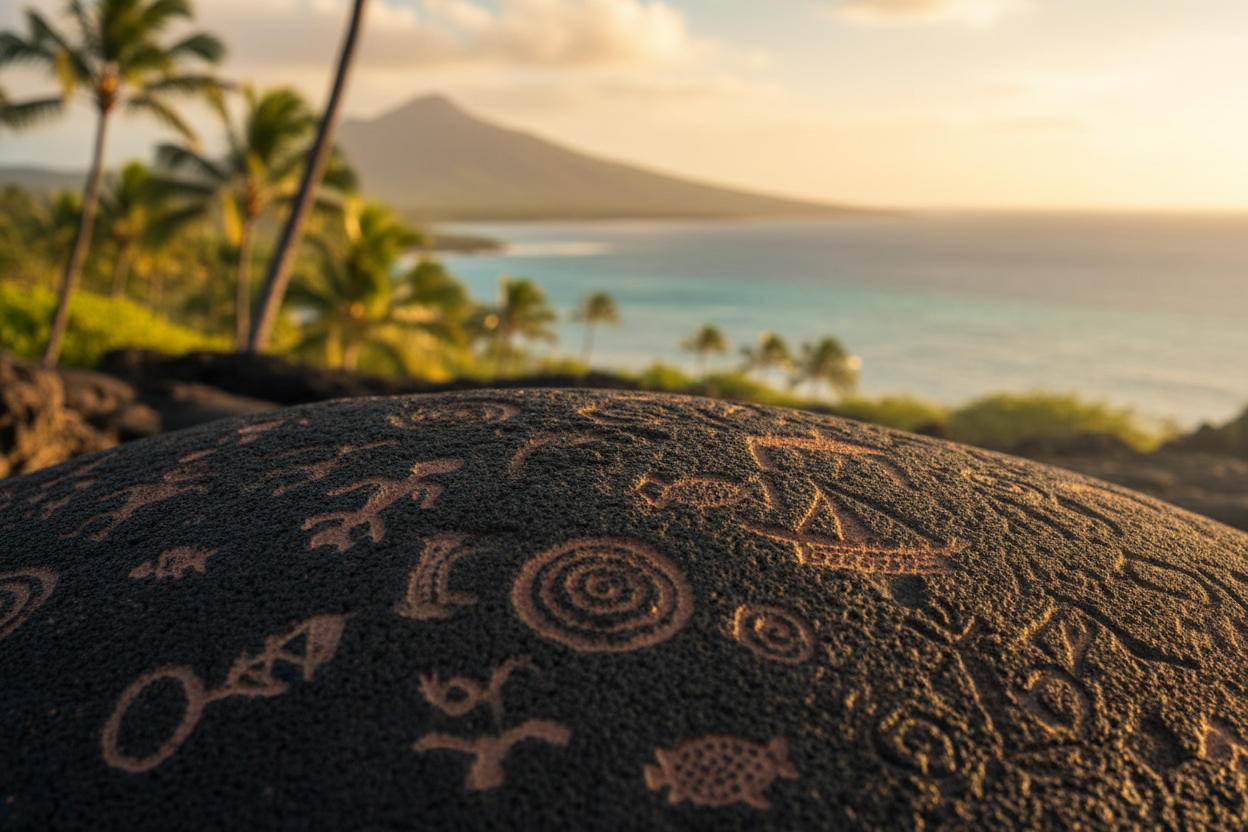
The symbols themselves vary dramatically in complexity and meaning. You’ll find simple stick figures representing humans, circular designs symbolizing the sun or moon, and elaborate geometric patterns whose meanings remain mysteries to this day. Many petroglyphs depict daily life activities such as fishing, surfing, and ceremonial practices, providing invaluable insights into how ancient Hawaiians lived, worked, and worshipped.
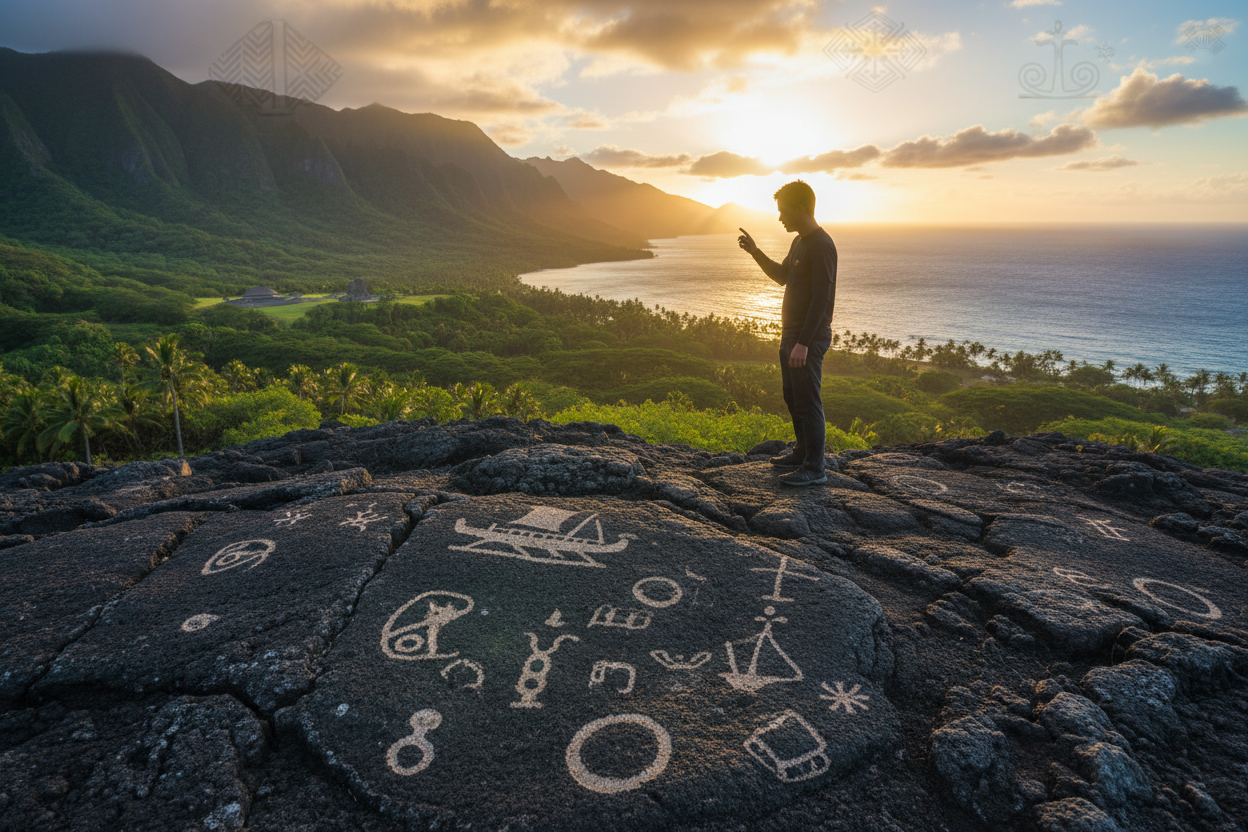
What makes Hawaiian petroglyphs particularly special is their preservation in volcanic rock, primarily basalt. The islands’ unique geological composition created the perfect canvas for these ancient artists, allowing their work to survive centuries of weathering and natural erosion. Today, archaeologists have cataloged over 23,000 individual petroglyphs across the Hawaiian Islands, making this one of the largest concentrations of rock art in Polynesia.
Top Petroglyph Sites Across the Hawaiian Islands
Each Hawaiian island offers unique petroglyph viewing opportunities, with some sites more accessible to visitors than others. Planning your petroglyph adventure requires understanding which locations provide the best combination of historical significance, preservation quality, and visitor accessibility.
Big Island: The Petroglyph Capital of Hawaii
The Big Island boasts the most extensive and well-preserved petroglyph collections in Hawaii. Puako Petroglyph Archaeological Preserve stands as the crown jewel of Hawaiian rock art sites. Located along the Kohala Coast, this preserve protects over 3,000 individual petroglyphs spread across 233 acres of ancient lava flows.
The Malama Trail at Puako offers visitors a relatively easy 1.4-mile round-trip hike through this archaeological wonderland. The trail is well-maintained and includes interpretive signs that help visitors understand the cultural significance of what they’re seeing. Early morning visits provide the best lighting conditions for photography and help avoid the intense midday heat that can make the black lava rock uncomfortably hot.
Another significant Big Island site is the Pu’u Loa Petroglyphs in Hawaii Volcanoes National Park. This location requires a moderate 1.5-mile hike across hardened lava flows, but rewards visitors with over 23,000 petroglyphs—the largest concentration in Hawaii. The circular holes found here are particularly intriguing, as many archaeologists believe they were created to hold umbilical cords of newborn children, connecting them spiritually to the land.
Maui: Hidden Treasures in Volcanic Landscapes
While Maui may be famous for its beaches and the Road to Hana, the island also harbors significant petroglyph sites that many visitors overlook. The La Perouse Bay area, located at the end of the paved road in South Maui, contains numerous petroglyphs scattered across its rugged lava fields.
These carvings require more effort to locate, as they’re not marked with obvious trails or signs. However, this also means you’re likely to have a more intimate, discovery-oriented experience. The petroglyphs here often depict sailing vessels, suggesting they may have been created during the period of early European contact in the late 18th century.
Lanai: Intimate Encounters with Ancient Art
Lanai offers perhaps the most intimate petroglyph viewing experience in Hawaii. Shipwreck Beach, accessible via a rough dirt road, features petroglyphs that are easily viewed without extensive hiking. The contrast between the ancient rock art and the rusted shipwreck offshore creates a powerful juxtaposition of different eras in Hawaiian history.
The island’s smaller size and fewer visitors mean you can often explore these sites in relative solitude, allowing for deeper contemplation of their historical significance. Local guides on Lanai are particularly knowledgeable about the cultural context of these carvings and can provide insights that enhance your understanding immeasurably.
Responsible Petroglyph Tourism: Protecting Cultural Treasures
Visiting Hawaiian petroglyphs comes with significant responsibility. These irreplaceable cultural artifacts face constant threats from natural erosion, climate change, and unfortunately, human interference. As a visitor, your behavior can either help preserve these treasures for future generations or contribute to their destruction.
Never touch, trace, or make rubbings of petroglyphs. The oils from human skin can accelerate deterioration, while physical contact can cause irreversible damage to these ancient carvings. Many sites provide viewing platforms or designated walking areas specifically designed to protect the petroglyphs while allowing optimal viewing opportunities.
Photography is generally permitted at most sites, but always check local regulations first. When taking photos, avoid using flash, which can highlight the carvings in ways that may encourage others to touch them. Instead, rely on natural lighting and consider visiting during golden hour periods when the angled sunlight naturally enhances the visibility of the carved symbols.
Cultural Context: Understanding the Deeper Meaning
To truly appreciate Hawaiian petroglyphs, it’s essential to understand their place within Native Hawaiian culture and worldview. These carvings weren’t created as art for art’s sake—they served practical, spiritual, and social functions within ancient Hawaiian society.
Many petroglyphs mark significant locations in the landscape, such as freshwater sources, fishing grounds, or ceremonial sites. Others commemorate important events like successful harvests, victorious battles, or the birth of high-ranking children. The geometric patterns often represent genealogical connections, linking families to specific locations and ancestors.
The spiritual significance of these sites cannot be overstated. Many Native Hawaiians consider petroglyph locations to be sacred, inhabited by the mana (spiritual power) of their ancestors. Approaching these sites with respect, quiet contemplation, and cultural sensitivity honors both the ancient artists who created them and the living culture that continues to find meaning in their messages.
Planning Your Petroglyph Adventure
Successfully exploring Hawaiian petroglyphs requires careful planning and preparation. The volcanic terrain where most petroglyphs are located can be challenging to navigate, with sharp lava rock, minimal shade, and intense sun exposure creating potentially hazardous conditions for unprepared visitors.
Timing your visits strategically enhances both safety and viewing quality. Early morning expeditions offer cooler temperatures and dramatic lighting that makes the carved symbols more visible. Late afternoon visits can also provide excellent lighting conditions, though you’ll need to ensure you have enough daylight for safe return hiking.
Essential gear includes sturdy hiking boots with good traction, plenty of water, sun protection, and a hat. The black volcanic rock absorbs and radiates heat intensely, making dehydration a serious concern. Bringing a magnifying glass can help you appreciate the finer details of smaller petroglyphs, while binoculars allow safe viewing of carvings located in sensitive or inaccessible areas.
Connecting Ancient Art to Modern Hawaii
Discovering Hawaiian petroglyphs offers modern travelers a profound connection to the islands’ pre-contact history, but it also illuminates the continuity of Hawaiian culture into the present day. Many contemporary Hawaiian artists draw inspiration from these ancient symbols, incorporating traditional motifs into modern works that bridge past and present.
Understanding petroglyphs also enhances appreciation for other aspects of Hawaiian culture you might encounter during your visit. The same worldview that inspired ancient artists to carve symbols in lava rock continues to influence contemporary Hawaiian practices, from traditional navigation techniques to sustainable land management practices.
Local cultural centers and museums throughout Hawaii provide additional context that can deepen your petroglyph experience. The Imiloa Astronomy Center on the Big Island, for example, explores connections between ancient Hawaiian knowledge systems and modern scientific understanding, while various cultural festivals throughout the year celebrate the living traditions that connect to these ancient artistic expressions.
Preserving Hawaii’s Petroglyph Legacy
As climate change and increasing tourism pressure threaten Hawaii’s archaeological sites, the importance of responsible visitation becomes ever more critical. Rising sea levels, increased storm intensity, and temperature fluctuations all contribute to accelerated erosion of these irreplaceable cultural resources.
Several organizations work tirelessly to document, preserve, and protect Hawaiian petroglyphs. The State Historic Preservation Division maintains detailed records of petroglyph sites, while various nonprofit organizations conduct ongoing research and conservation efforts. Visitors can support these efforts by following all site regulations, participating in volunteer conservation programs when available, and contributing to organizations dedicated to Hawaiian cultural preservation.
Digital documentation projects are creating detailed 3D models of petroglyph sites, ensuring that even if the physical carvings eventually succumb to natural forces, their images and cultural significance will be preserved for future generations. These technological approaches complement traditional Hawaiian methods of cultural transmission, creating a comprehensive approach to preservation that honors both innovation and tradition.
Conclusion: A Journey Through Time
Exploring Hawaii’s ancient petroglyphs transforms a typical tropical vacation into a profound journey through time. These remarkable carvings offer visitors the rare opportunity to connect directly with Hawaii’s pre-contact inhabitants, experiencing their worldview, daily lives, and spiritual beliefs through symbols etched in stone over a millennium ago.
The experience of discovering petroglyphs goes far beyond simple sightseeing. Standing before these ancient symbols, surrounded by the same volcanic landscapes that inspired their creation, provides a tangible connection to human creativity and cultural expression that transcends time. Each carved figure, geometric pattern, and mysterious symbol represents a message from the past—one that continues to speak to those willing to listen with respect and wonder.
For travelers seeking authentic cultural experiences that complement Hawaii’s natural beauty, petroglyph exploration offers unparalleled rewards. These ancient artistic treasures remind us that the Hawaiian Islands have been home to sophisticated cultures for far longer than most visitors realize, and that the true richness of Hawaii extends far beyond its famous beaches and resorts into realms of history, spirituality, and human connection that continue to inspire and educate visitors from around the world.