
Travel Europe: The Best Local Delicacies to Try in Each Country
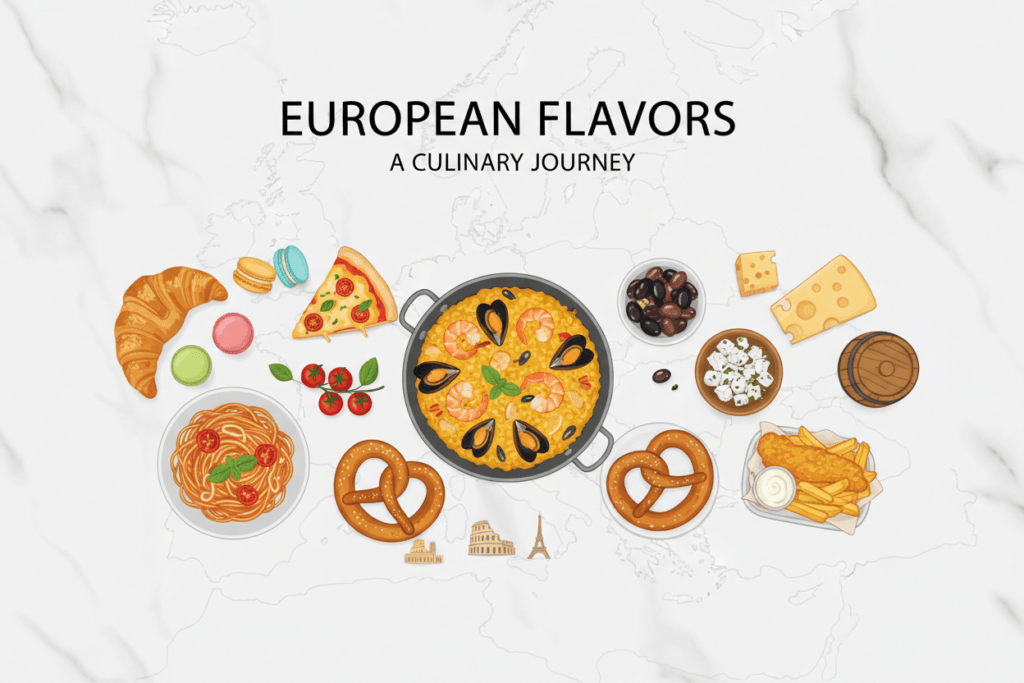
Europe beckons food lovers with its incredible diversity of flavors, traditions, and culinary masterpieces that have been perfected over centuries. From the sun-drenched Mediterranean coast to the hearty comfort foods of Eastern Europe, each country offers unique local delicacies that tell the story of its culture, history, and people. Whether you’re planning your first European adventure or you’re a seasoned traveler looking to expand your palate, this comprehensive guide will take you on a mouthwatering journey through Europe’s most iconic dishes.
Food is more than sustenance when you travel – it’s a gateway to understanding local customs, connecting with communities, and creating memories that last a lifetime. The aroma of fresh pasta in an Italian trattoria, the sizzle of paella in a Spanish taverna, or the comfort of a warm pretzel from a German bakery can transport you deeper into a country’s soul than any guidebook ever could.
Western Europe: Classic Comfort and Refined Elegance
Western Europe’s culinary landscape represents some of the world’s most celebrated food traditions, where centuries-old recipes meet modern innovation.
In France, no culinary journey is complete without savoring authentic Coq au Vin in Burgundy, where tender chicken is braised in local wine with pearl onions and mushrooms. The dish embodies French cooking philosophy – simple ingredients transformed through technique and patience. Don’t miss the buttery croissants from a Parisian boulangerie, best enjoyed warm with café au lait while watching the city wake up.
Germany surprises visitors with its diverse regional specialties beyond the famous bratwurst. In Bavaria, try authentic Sauerbraten – a pot roast marinated for days in vinegar and spices, creating incredibly tender meat with a tangy-sweet sauce. Pair it with Spätzle, those delightful hand-scraped noodles that soak up every drop of flavor. Northern Germany offers fresh Fischbrötchen, simple yet perfect fish sandwiches that capture the essence of coastal living.
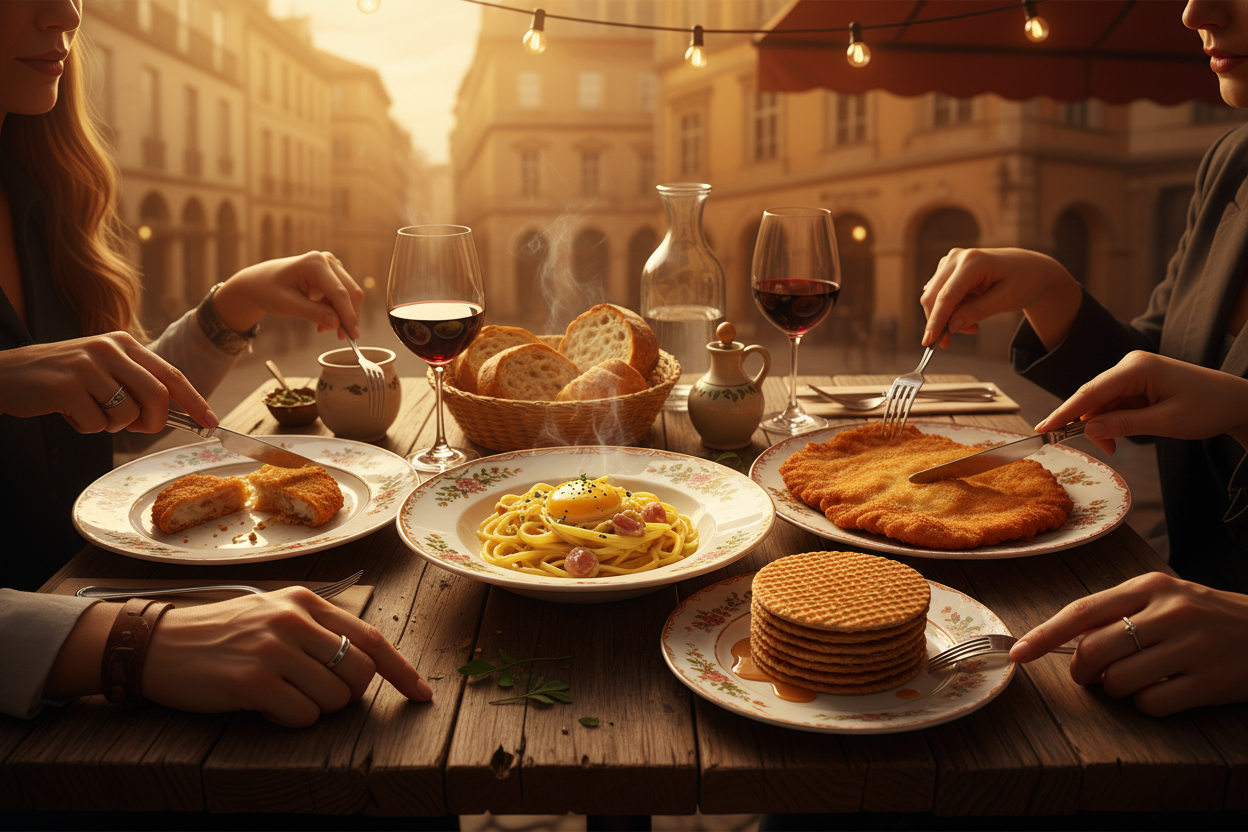
The Netherlands might be known for cheese, but venture beyond Gouda to discover Stroopwafels fresh from street vendors – thin waffle cookies filled with warm caramel syrup that melts slightly from the heat. In Amsterdam’s brown cafes, order Bitterballen, crispy croquettes filled with ragout that pair perfectly with local beer.
Southern Europe: Mediterranean Magic and Coastal Treasures
The Mediterranean diet isn’t just healthy – it’s absolutely delicious, celebrating fresh ingredients, olive oil, and time-honored cooking methods.
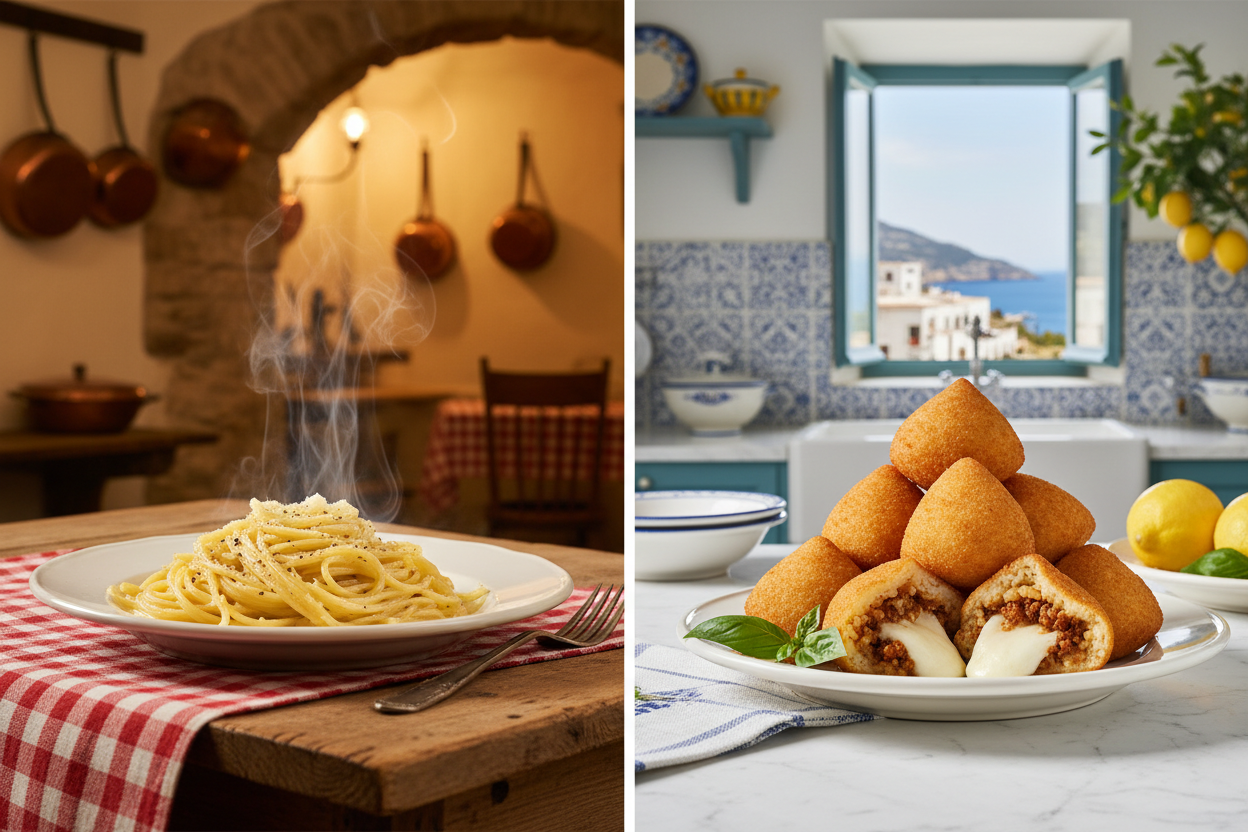
Italy’s regional diversity means every area offers distinct specialties. In Rome, seek out Cacio e Pepe at a traditional osteria – this seemingly simple pasta dish of pecorino cheese, black pepper, and pasta water requires real skill to execute perfectly. The creamy, silky sauce coating each strand of spaghetti represents Italian cooking at its finest. In Sicily, try Arancini – golden rice balls stuffed with ragù, mozzarella, or other fillings, then fried to crispy perfection.
Spain’s culinary crown jewel, Paella, varies dramatically by region. Valencia’s original version features rabbit, chicken, beans, and saffron, while coastal areas add seafood. The key is the socarrat – the slightly crispy rice layer at the bottom that develops during cooking. In the Basque Country, Pintxos culture transforms eating into a social adventure, hopping between bars to sample creative small plates paired with local Txakoli wine.
Portugal’s maritime heritage shines in dishes like Pastéis de Nata, those iconic custard tarts with caramelized tops that originated in Lisbon’s Belém district. The secret recipe remains closely guarded, but every bakery offers their interpretation. Don’t miss Francesinha in Porto – an indulgent sandwich layered with meats, covered in melted cheese and a beer-based sauce that locals swear by for curing hangovers.
Northern Europe: Hearty Traditions and Fresh Innovations
Northern European cuisine reflects the region’s climate and history, emphasizing preservation techniques, hearty ingredients, and surprising sophistication.
Sweden’s culinary identity extends far beyond meatballs. Try Gravlax, salmon cured with dill, sugar, and salt, served with mustard sauce and crispy bread. The curing process creates silky, flavorful fish that melts on your tongue. In winter, warm up with Glögg, Swedish mulled wine that fills Christmas markets with its aromatic spices.
Denmark’s New Nordic cuisine movement has revolutionized Scandinavian cooking, but traditional Smørrebrød remains beloved. These open-faced sandwiches on dense rye bread showcase toppings from pickled herring to roast beef, each combination carefully balanced for flavor and visual appeal. Copenhagen’s food scene now rivals any European capital.
Norway’s coastal location provides incredible seafood, particularly King Crab from Arctic waters. The sweet, tender meat requires minimal preparation – often just boiling and serving with butter and lemon. Reindeer, traditional in Sami culture, offers a unique taste experience, typically served as steaks or in stews with juniper berries and root vegetables.
Eastern Europe: Hidden Gems and Comfort Food Champions
Eastern European cuisine offers incredible value and authentic flavors that remain largely undiscovered by mainstream food tourism.
Poland’s Pierogi represent ultimate comfort food – tender dumplings filled with everything from potato and cheese to sauerkraut and mushrooms, or sweet versions with berries. Each region has signature fillings, and watching babcias (grandmothers) hand-form each dumpling is a cultural experience itself. Pair them with Żurek, a sour rye soup that’s both hearty and refreshing.
Czech Republic’s beer culture is legendary, but the food deserves equal attention. Svíčková na smetaně features beef sirloin in cream sauce with bread dumplings, creating the ultimate comfort meal after exploring Prague’s cobblestone streets. The sauce, made with root vegetables and cream, is rich without being heavy.
Hungary’s Goulash varies significantly from the soup-like version served internationally. Authentic Magyar Gulyás is more of a hearty stew with tender beef, vegetables, and paprika that warms you from within. The paprika isn’t just for color – it provides complex flavor that defines Hungarian cuisine.
Tips for Food Adventures Across Europe
Successful food travel requires some strategy and openness to new experiences. Research local meal times, as Europeans often eat later than Americans expect. Lunch might not be served until 2 PM in Spain, while Germans prefer earlier dinners around 6 PM.
Seek out local markets for the freshest ingredients and authentic atmosphere. Borough Market in London, La Boquería in Barcelona, or Naschmarkt in Vienna offer incredible variety and the chance to interact with local vendors who are passionate about their products.
Don’t be afraid to ask locals for recommendations. Restaurant staff, hotel concierges, and even fellow travelers often know hidden gems that guidebooks miss. Some of the best meals happen in family-run establishments where recipes pass through generations.
Consider food tours or cooking classes to deepen your understanding of local cuisine. Learning to make pasta in Tuscany or understanding the proper way to eat tapas in Seville adds context that makes every subsequent meal more meaningful.
Conclusion: Savoring Europe One Bite at a Time
Europe’s culinary landscape offers endless opportunities for discovery, from Michelin-starred restaurants to humble street food vendors who’ve perfected their craft over decades. Each country’s local delicacies reflect its unique history, geography, and cultural values, creating a diverse tapestry of flavors that could take a lifetime to fully explore.
The beauty of European food travel lies not just in the exceptional dishes you’ll taste, but in the stories behind them, the people who prepare them, and the memories you’ll create while sharing meals with fellow travelers or welcoming locals. Whether you’re savoring your first authentic Carbonara in Rome, discovering the perfect Wiener Schnitzel in Vienna, or falling in love with fresh stroopwafels in Amsterdam, each bite connects you to centuries of culinary tradition and innovation.
So pack your appetite along with your passport, and prepare for a journey where every meal becomes an adventure, every local delicacy tells a story, and every country offers new flavors to fall in love with. Europe’s kitchens are waiting to welcome you with open arms and full plates.