Africa Travel: The Best Mountain Climbing Adventures
When most people think of Africa, images of vast savannas, exotic wildlife, and golden sunsets come to mind. But beyond the traditional safari experience lies a continent blessed with some of the world’s most spectacular mountain ranges and challenging peaks. From snow-capped summits to volcanic craters, Africa offers mountain climbing adventures that rival any destination on Earth.
Whether you’re a seasoned mountaineer seeking your next conquest or an adventurous traveler looking to push your limits, Africa’s diverse mountain landscapes provide experiences that will leave you breathless – both literally and figuratively. The continent’s peaks offer more than just physical challenges; they provide cultural immersion, wildlife encounters, and views that photographers dream about.
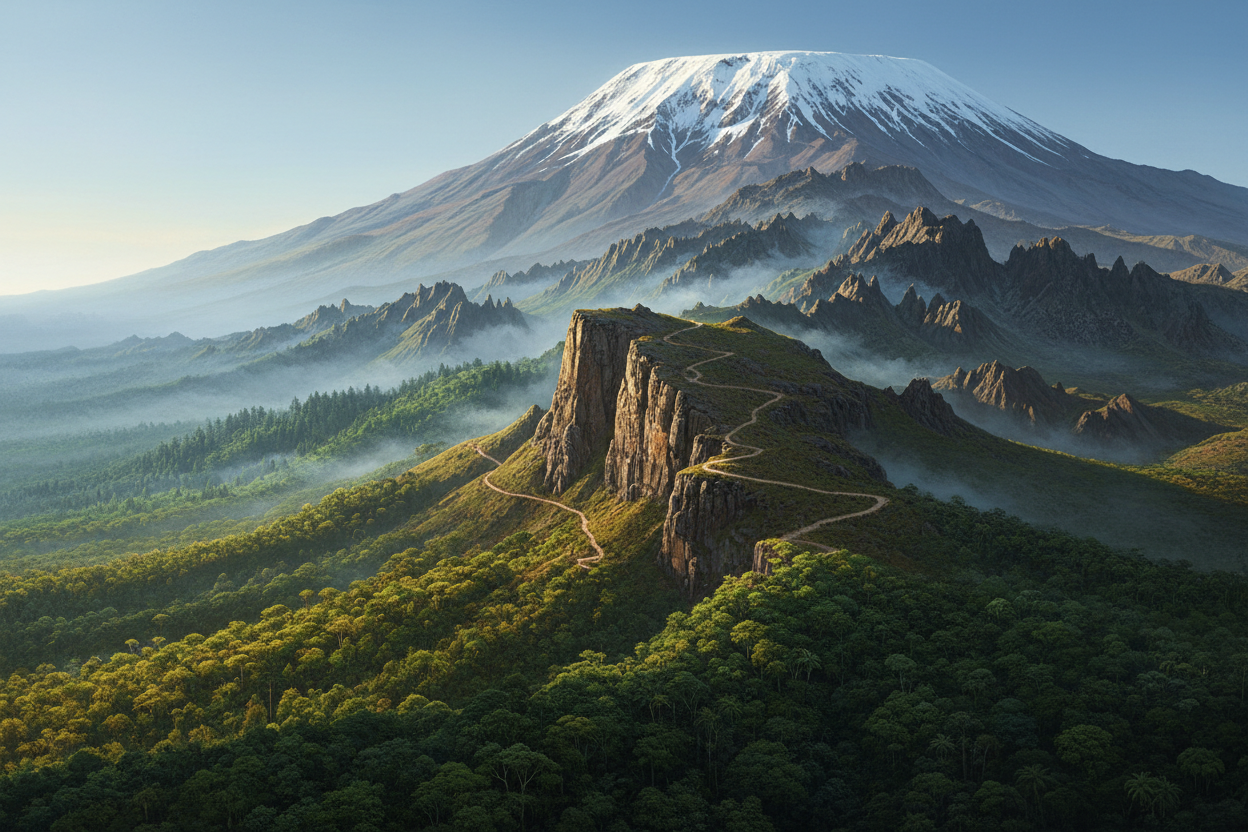
Mount Kilimanjaro: Africa’s Crown Jewel
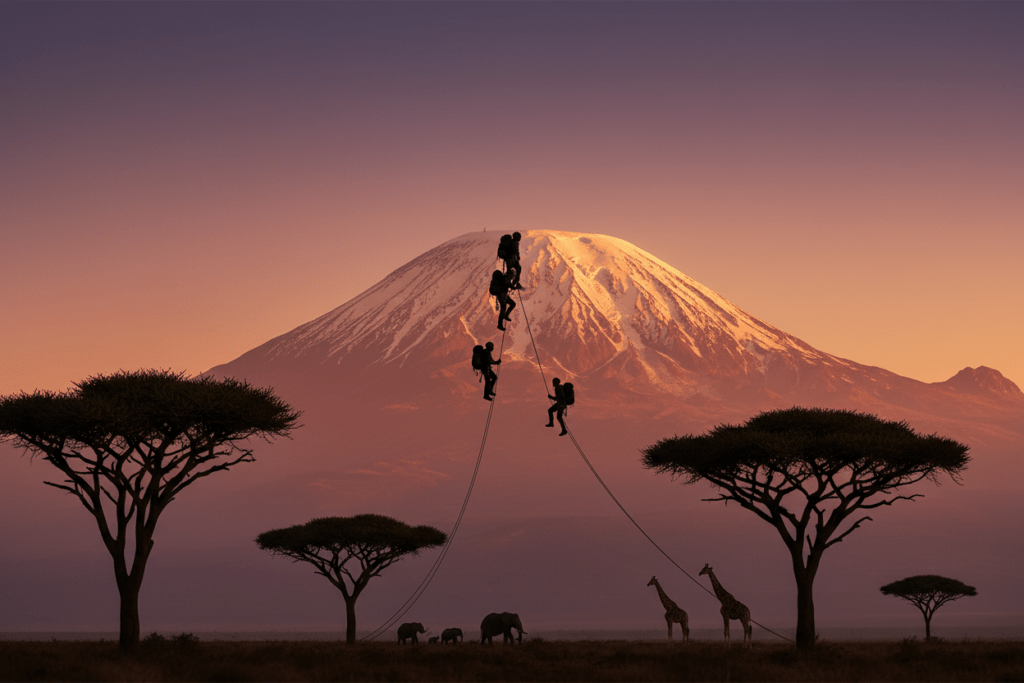
No discussion of African mountain climbing would be complete without mentioning Mount Kilimanjaro. Standing majestically at 19,341 feet, this Tanzanian giant holds the distinction of being Africa’s highest peak and the world’s tallest free-standing mountain. What makes Kilimanjaro particularly appealing to climbers is that it requires no technical climbing experience – just determination, proper preparation, and respect for the mountain’s power.
The journey to Uhuru Peak takes you through five distinct climate zones, from tropical rainforest at the base to arctic conditions at the summit. Along the way, you’ll witness an incredible transformation of landscapes and ecosystems. The Machame Route, often called the “Whiskey Route,” offers the most scenic path with its varied terrain and stunning views of the Barranco Wall.
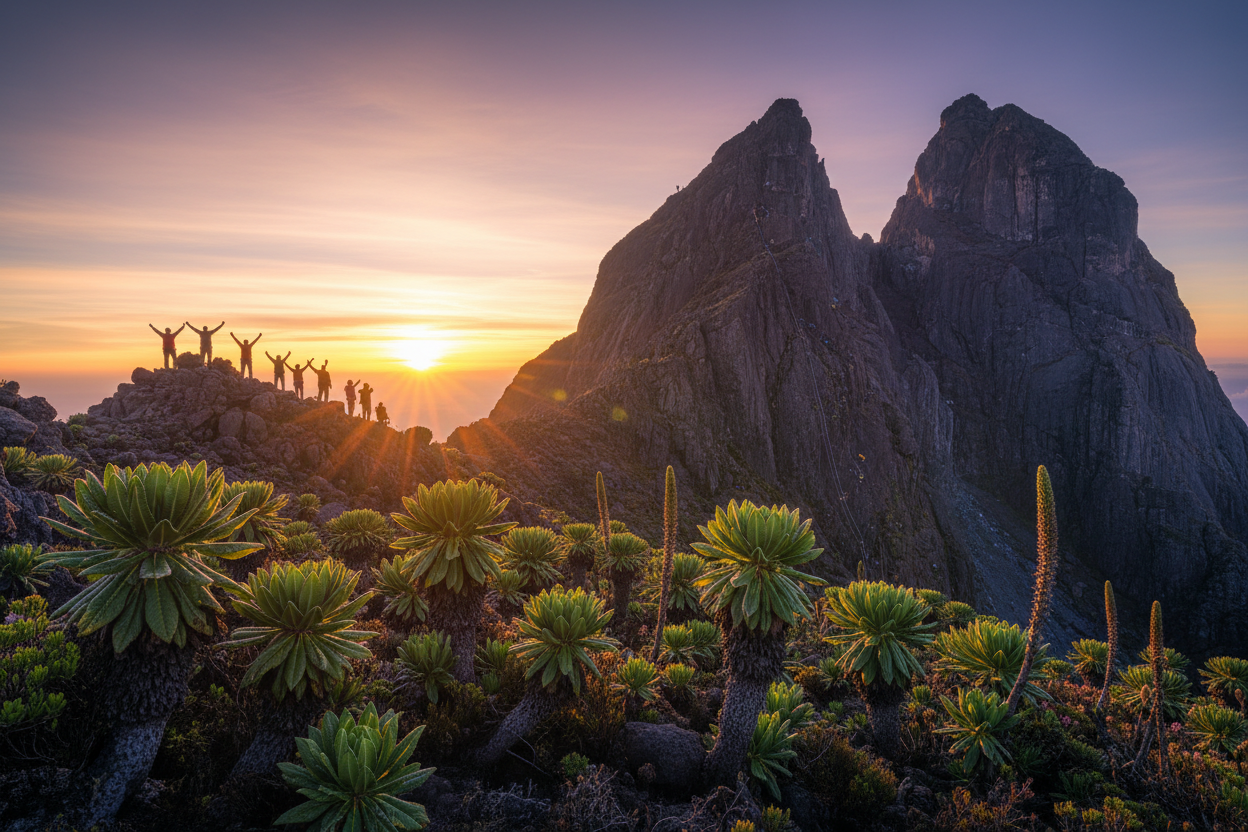
Success on Kilimanjaro depends heavily on acclimatization. The best climbing seasons are January through March and June through October, when weather conditions are most favorable. Most climbers choose routes ranging from five to nine days, with longer itineraries providing better acclimatization and higher success rates.
Mount Kenya: A Technical Challenge
While Mount Kenya may stand in Kilimanjaro’s shadow in terms of height, this 17,057-foot peak offers something its famous neighbor cannot: technical rock climbing challenges. Kenya’s highest mountain presents multiple route options, from trekking paths suitable for beginners to Grade V rock climbing routes that test even experienced mountaineers.
Point Lenana, the trekkers’ peak, provides an achievable goal for most climbers and rewards them with spectacular sunrise views over the African landscape. For those seeking greater challenges, Batian and Nelion peaks require technical climbing skills and proper equipment. The mountain’s unique equatorial alpine environment creates a surreal landscape of giant groundsels and lobelias that seem almost alien.
The approach to Mount Kenya takes you through different vegetation zones, including bamboo forests and moorlands dotted with peculiar high-altitude plants. The Sirimon and Chogoria routes are particularly scenic, offering diverse landscapes and excellent wildlife viewing opportunities, including elephants, buffalo, and various antelope species.
Atlas Mountains: Morocco’s Hidden Gems
Morocco’s Atlas Mountains provide an entirely different African climbing experience. The High Atlas range, crowned by Mount Toubkal at 13,671 feet, offers a perfect introduction to high-altitude trekking with a distinctly North African flavor. The approach to Toubkal begins in the bustling mountain town of Imlil, where Berber culture comes alive through traditional architecture, local cuisine, and warm hospitality.
The climb itself is non-technical but demanding, taking most climbers two to three days. The route passes through traditional Berber villages where time seems to have stood still. Stone houses cling to mountainsides, and terraced fields create geometric patterns across the landscape. The summit rewards climbers with panoramic views stretching from the Sahara Desert to the Atlantic coast on clear days.
Beyond Toubkal, the Atlas Mountains offer numerous other peaks and trekking opportunities. The M’Goun Massif provides multi-day adventures through remote valleys, while the Anti-Atlas range in the south offers a more desert-like mountain experience with its red rock formations and palm oases.
Rwenzori Mountains: The Mountains of the Moon
Straddling the border between Uganda and the Democratic Republic of Congo, the Rwenzori Mountains offer one of Africa’s most unique and challenging mountain experiences. Known as the “Mountains of the Moon,” this range creates its own weather system, resulting in a mystical landscape often shrouded in mist and clouds.
Margherita Peak, the highest point at 16,763 feet, requires technical climbing skills and glacier travel experience. The approach involves multiple days of trekking through some of the most diverse and pristine mountain ecosystems in Africa. Giant heathers, moss-covered trees, and endemic plants create an otherworldly atmosphere that feels more like a fairy tale than reality.
The Rwenzori experience is not for the faint-hearted. Expect mud, lots of it, along with unpredictable weather and challenging route-finding. However, those who persevere are rewarded with solitude, incredible biodiversity, and the satisfaction of conquering one of Africa’s most remote peaks. The range also offers excellent opportunities for wildlife viewing, including forest elephants, chimpanzees, and over 200 bird species.
Drakensberg Mountains: South Africa’s Dragon
The Drakensberg, meaning “Dragon Mountains” in Afrikaans, forms a spectacular escarpment along South Africa’s eastern border with Lesotho. While not as high as other African peaks, with the highest point at Thabana Ntlenyana reaching 11,424 feet, the Drakensberg offers some of the continent’s most dramatic mountain scenery and diverse climbing opportunities.
The range provides everything from day hikes to multi-day backpacking adventures. The Amphitheatre, a massive rock wall stretching for several miles, creates one of the most impressive mountain faces in the world. The hike to the top via the chain ladders is both thrilling and rewarding, offering views of the Tugela Falls, the world’s second-highest waterfall.
What sets the Drakensberg apart is its rich cultural heritage. The mountains contain thousands of San rock art sites, some dating back over 4,000 years. These ancient paintings provide a window into the lives and beliefs of the region’s earliest inhabitants. The combination of natural beauty and cultural significance makes the Drakensberg a UNESCO World Heritage Site.
Essential Preparation and Safety Considerations
Mountain climbing in Africa requires careful preparation and respect for the unique challenges each range presents. Altitude sickness is a real concern on higher peaks like Kilimanjaro and Mount Kenya. Proper acclimatization schedules, hydration, and recognition of symptoms can mean the difference between success and failure, or even life and death.
Weather conditions in African mountains can be unpredictable and extreme. Even equatorial peaks like Kilimanjaro experience freezing temperatures and potential snowstorms at altitude. Layered clothing systems, quality waterproof gear, and appropriate insulation are essential for safety and comfort.
Physical preparation should begin months before your climb. Cardiovascular fitness, leg strength, and hiking endurance are crucial for success. Regular hiking with a loaded backpack, stair climbing, and altitude training if available will significantly improve your chances of reaching your goal.
Choosing reputable local guides and operators is not just recommended but essential for most African mountain adventures. These professionals provide invaluable local knowledge, ensure safety protocols are followed, and contribute to local economies. Many regions require permits and have specific regulations that licensed operators can navigate efficiently.
Best Times to Climb African Mountains
Timing your African mountain adventure correctly can make the difference between an unforgettable experience and a miserable struggle against the elements. Each range has its optimal seasons based on weather patterns, rainfall, and temperature variations.
For East African peaks like Kilimanjaro and Mount Kenya, the dry seasons from January to March and June to October offer the best conditions. These periods provide clearer skies, less precipitation, and more stable weather patterns. However, these are also the busiest times, so expect more crowded routes and higher prices.
The Atlas Mountains in Morocco are best climbed during spring (April to May) and autumn (September to November) when temperatures are moderate and rainfall is minimal. Summer can be extremely hot at lower elevations, while winter brings snow and harsh conditions to higher peaks.
The Rwenzori Mountains, due to their equatorial location and unique weather patterns, can be climbed year-round, though the drier months of June to August and December to February generally offer better conditions. However, climbers should always be prepared for wet conditions regardless of the season.
Conclusion
Africa’s mountain climbing adventures offer experiences that extend far beyond the physical challenge of reaching a summit. These peaks provide opportunities to immerse yourself in diverse cultures, witness incredible wildlife, and explore ecosystems found nowhere else on Earth. From the iconic snow-capped dome of Kilimanjaro to the mystical moss forests of the Rwenzori, each mountain range tells its own unique story.
The continent’s mountains serve as powerful reminders of nature’s raw beauty and our own capabilities when we push beyond our comfort zones. They offer perspective – both literal and figurative – that can be life-changing. Whether you’re drawn to the technical challenges of Mount Kenya’s rock faces or the cultural richness of Morocco’s Atlas Mountains, Africa’s peaks promise adventures that will create memories lasting a lifetime.
As you plan your African mountain climbing adventure, remember that these experiences are about more than just reaching the top. They’re about the journey, the people you meet along the way, and the personal growth that comes from challenging yourself in some of the world’s most spectacular settings. Africa’s mountains are calling – will you answer?