Panama Travel: Discovering the Best Cultural Heritage Sites
When most travelers think of Panama, their minds immediately drift to the famous canal or pristine beaches. However, this Central American gem harbors some of the most remarkable cultural heritage sites in the Americas, each telling a unique story of indigenous civilizations, colonial conquests, and modern resilience. From ancient petroglyphs carved into volcanic rock to Spanish colonial fortresses that once guarded treasure fleets, Panama’s cultural landscape offers an extraordinary journey through time that will captivate history enthusiasts and casual travelers alike.
Panama’s strategic location as a bridge between North and South America has made it a cultural crossroads for centuries. This positioning has resulted in a rich tapestry of influences that you can still witness today in its architecture, traditions, and archaeological sites. Whether you’re exploring the cobblestone streets of a colonial city or standing before pre-Columbian artifacts, Panama’s heritage sites provide an authentic glimpse into the forces that shaped not just this nation, but the entire Western Hemisphere.
Casco Viejo: Panama City’s Colonial Crown Jewel
The heart of Panama’s cultural heritage beats strongest in Casco Viejo, the historic quarter of Panama City that earned UNESCO World Heritage status in 1997. Walking through these narrow streets feels like stepping into a living museum where every building whispers stories of pirates, conquistadors, and revolutionaries.
Founded in 1673 after the original Panama City was destroyed by the Welsh pirate Henry Morgan, Casco Viejo showcases stunning colonial and neoclassical architecture. The Metropolitan Cathedral dominates the main plaza with its twin bell towers, while the nearby Presidential Palace displays beautiful Moorish influences that reflect Panama’s diverse architectural heritage.
What makes Casco Viejo particularly special is how it balances preservation with modern life. You’ll find boutique hotels occupying restored colonial mansions, rooftop restaurants offering panoramic views of the modern skyline, and local artisans selling their crafts in centuries-old courtyards. The neighborhood’s Las Bóvedas, former military dungeons turned into art galleries and shops, perfectly exemplify this harmonious blend of past and present.
Portobelo National Park: Fortress of Colonial Defense
Along Panama’s Caribbean coast lies Portobelo, once the most important Spanish port in the Americas and now a UNESCO World Heritage site that preserves some of the finest examples of 17th and 18th-century military architecture in the region. The town’s name, meaning “beautiful port,” hardly captures the dramatic history that unfolded within its fortified walls.
The fortress complex includes several impressive structures, with San Lorenzo Fort being the most remarkable. Perched dramatically on a cliff overlooking the Chagres River, this fortress protected the Spanish treasure route for over two centuries. The massive stone walls, cannon emplacements, and strategic positioning demonstrate the military engineering prowess of the colonial period.
Beyond the fortifications, Portobelo offers visitors a chance to experience living culture. The town is famous for its annual Festival of the Black Christ, where thousands of pilgrims gather to honor a dark wooden statue of Jesus that has become central to Panama’s religious identity. This celebration beautifully illustrates how colonial religious traditions have evolved to incorporate African and indigenous influences.
Archaeological Treasures: Pre-Columbian Panama
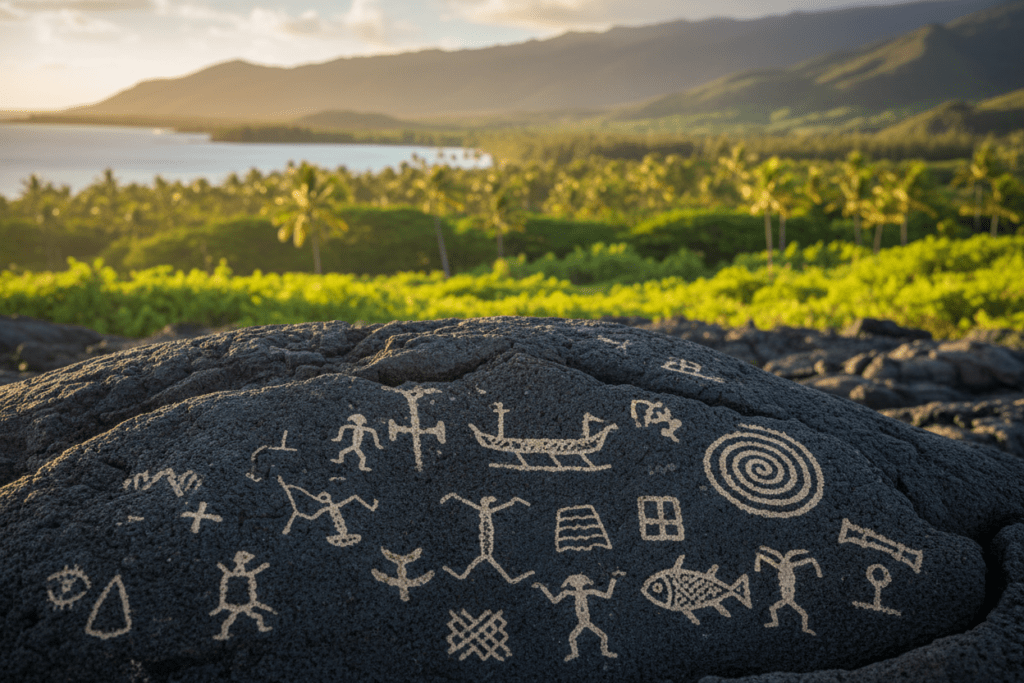
Long before European ships appeared on the horizon, sophisticated indigenous cultures flourished throughout Panama, leaving behind archaeological evidence that continues to reshape our understanding of pre-Columbian America. The Barriles Archaeological Site in Chiriquí Province stands as one of Panama’s most significant pre-Columbian locations, where massive stone statues and intricate petroglyphs reveal the artistic and spiritual sophistication of ancient Panama.
The site features over 600 petroglyphs carved into volcanic boulders, depicting everything from human figures and animals to complex geometric patterns that likely held astronomical or ceremonial significance. These carvings, some dating back over 2,000 years, represent one of the largest concentrations of rock art in Central America.
El Caño Archaeological Park in Coclé Province offers another window into Panama’s ancient past. This site was a major ceremonial center for the Coclé culture, and recent excavations have uncovered elaborate burial sites filled with gold ornaments, ceramic vessels, and other artifacts that demonstrate the wealth and artistic achievement of pre-Columbian Panama. The on-site museum displays many of these treasures, providing context for understanding the complex societies that once thrived here.
Living Indigenous Heritage: Guna and Emberá Communities
Panama’s cultural heritage extends far beyond archaeological sites and colonial buildings to encompass vibrant indigenous communities that maintain their traditional ways of life. The Guna people of the San Blas Islands have preserved their autonomous culture for centuries, creating one of the most successful examples of indigenous self-governance in the Americas.
Visiting a Guna community offers insight into traditional crafts, particularly the famous mola textiles that feature intricate reverse-appliqué designs depicting everything from local wildlife to mythological scenes. These colorful works of art serve not just as clothing but as repositories of cultural knowledge and identity.
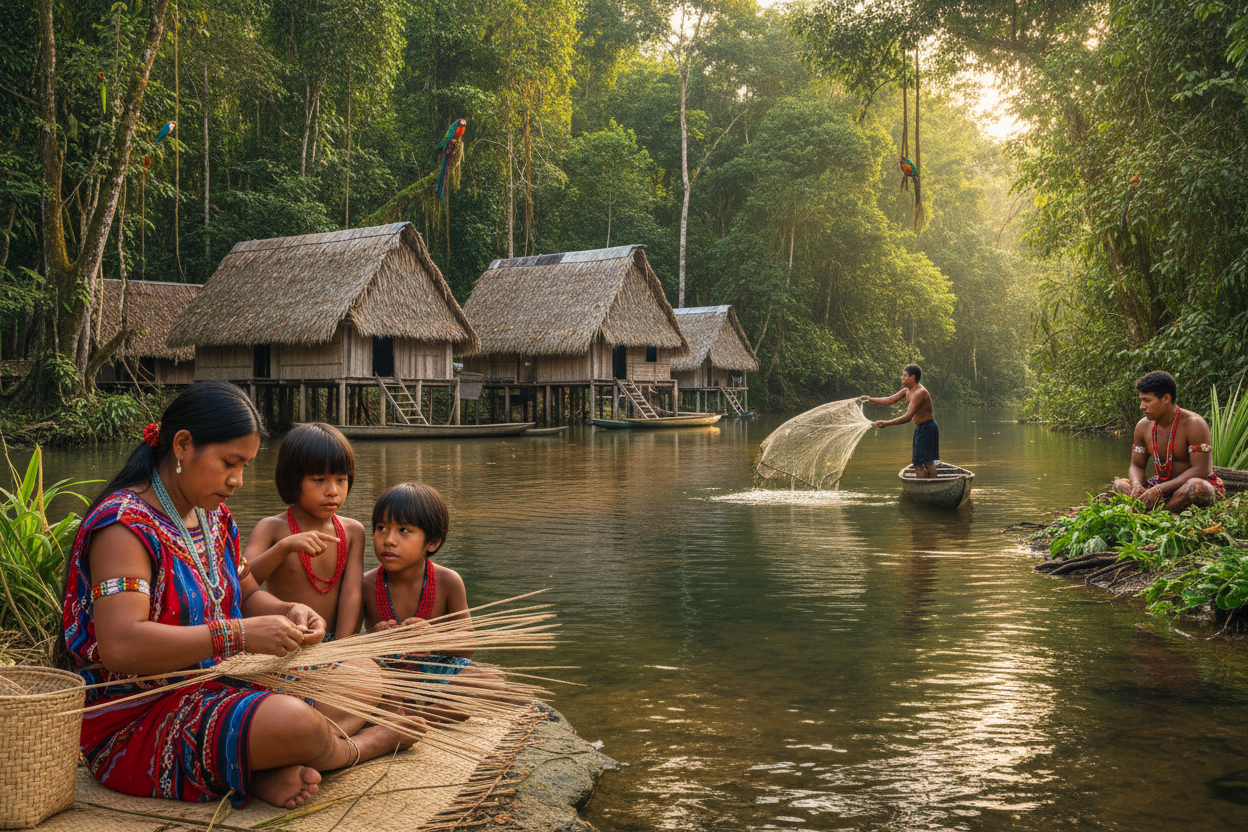
In the Darién Province, Emberá communities welcome visitors to experience their traditional lifestyle along the pristine rivers of the rainforest. Here, you can witness traditional handicrafts like basket weaving using natural fibers, observe traditional fishing and hunting techniques, and learn about medicinal plants that have been used for generations. The Emberá’s deep connection to their environment offers valuable lessons about sustainable living and the importance of preserving both cultural and natural heritage.
Churches and Religious Heritage
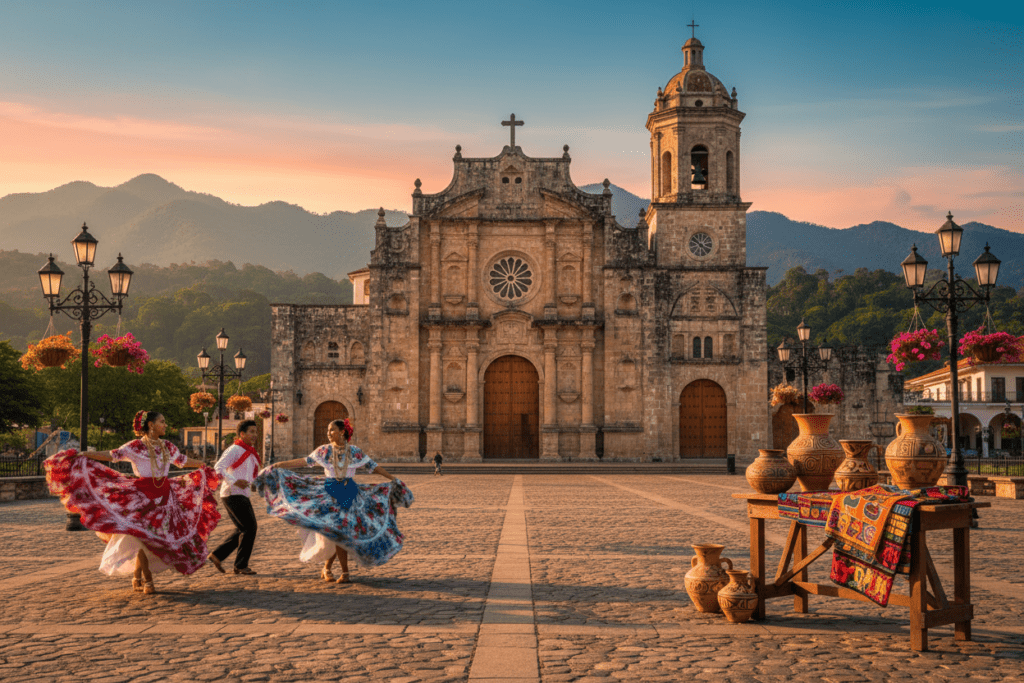
Panama’s religious architecture tells the story of cultural fusion that defines much of Latin American heritage. The Natá de los Caballeros church, built in 1522, stands as one of the oldest churches in continuous use on the American mainland. Its simple yet elegant facade masks an interior rich with colonial art and religious artifacts that span nearly five centuries.
The Penonomé Cathedral showcases how indigenous artisans incorporated their own aesthetic sensibilities into Christian architecture. The wooden ceiling features intricate carvings that blend European religious motifs with indigenous design elements, creating a unique artistic synthesis that reflects Panama’s multicultural heritage.
In the highlands of Chiriquí, the small town of Boquete houses several historic churches that served the coffee-growing communities. These buildings, though modest in scale, contain beautiful examples of folk religious art and provide insight into how different immigrant communities adapted their faith traditions to their new homeland.
Museums and Cultural Centers
Panama’s commitment to preserving and sharing its cultural heritage is evident in its excellent museums and cultural centers. The Panama Canal Museum in Casco Viejo not only chronicles the engineering marvel that put Panama on the world map but also explores the social and cultural impact of the canal’s construction on Panamanian society.
The Anthropological Museum Reina Torres de Araúz houses the country’s most comprehensive collection of pre-Columbian artifacts, including spectacular gold work from various indigenous cultures. The museum’s exhibits help visitors understand the sophisticated metallurgy, ceramics, and artistic traditions that flourished in Panama long before European contact.
For those interested in Afro-Caribbean heritage, the Museum of Afro-Antillean History in Panama City explores the contributions of West Indian immigrants who came to build the canal and railway. Their cultural influence on music, cuisine, and language continues to shape modern Panamanian identity.
Planning Your Cultural Heritage Journey
The best time to visit Panama’s cultural heritage sites is during the dry season from December to April, when travel conditions are optimal and many outdoor sites are more accessible. However, each season offers its own advantages – the rainy season brings lush landscapes that enhance the beauty of archaeological sites, while fewer crowds mean more intimate experiences.
Many heritage sites are easily accessible from Panama City, making it possible to combine urban cultural experiences with excursions to archaeological parks and colonial towns. Consider staying in Casco Viejo to immerse yourself fully in the colonial atmosphere, then venture out to explore sites like Portobelo and the various archaeological parks.
When visiting indigenous communities, always arrange visits through authorized tour operators who work directly with the communities. This ensures that your visit respects local customs and provides fair economic benefits to the host communities. Remember that these are living cultures, not tourist attractions, and approach each interaction with respect and genuine curiosity.
Conclusion
Panama’s cultural heritage sites offer far more than beautiful architecture and ancient artifacts – they provide windows into the complex historical forces that shaped the modern world. From the strategic importance of colonial fortresses to the artistic achievements of pre-Columbian cultures, these sites tell stories of human ingenuity, cultural exchange, and resilience that continue to resonate today.
As you explore Panama’s heritage sites, you’ll discover that this small country played an outsized role in connecting civilizations and facilitating cultural exchange. The indigenous communities that first inhabited these lands, the Spanish colonizers who established trade routes, the African populations who contributed their traditions, and the diverse immigrant communities that followed have all left indelible marks on Panama’s cultural landscape.
Whether you’re standing in the shadow of massive stone fortifications in Portobelo, examining ancient petroglyphs in Chiriquí, or walking the cobblestone streets of Casco Viejo, you’re not just observing history – you’re experiencing the living legacy of cultures that continue to influence Panama today. These heritage sites remind us that understanding the past is essential for appreciating the present and building a more culturally aware future.