
Cuba Travel: Understanding the Evolution of Cuban Jazz
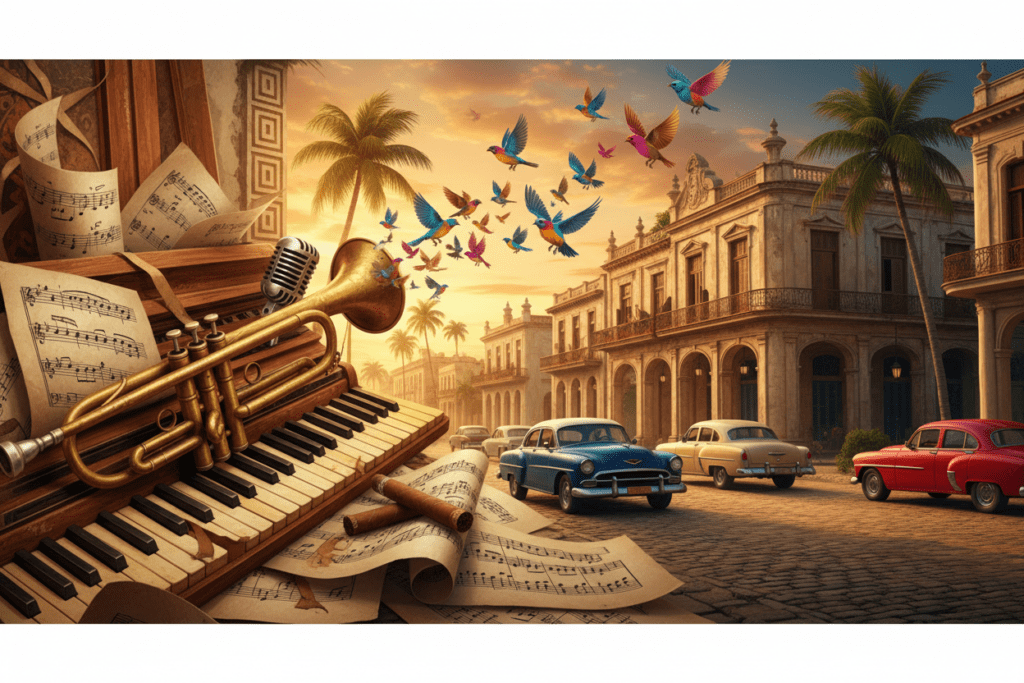
When you step off the plane in Havana, the rhythmic pulse of Cuban music immediately envelops you like a warm embrace. The syncopated beats drifting from every corner café, the melodic improvisations echoing through colonial streets, and the infectious energy that seems to flow through the very air itself – this is Cuba, where jazz didn’t just arrive, it was reborn with a distinctly Caribbean soul.
Cuban jazz represents one of the most fascinating musical evolution stories in the world, blending African rhythms, Spanish melodies, and American jazz innovations into something entirely unique. For travelers seeking to understand Cuba’s cultural heartbeat, exploring the island’s jazz heritage offers an intimate window into the nation’s complex history, resilient spirit, and extraordinary creativity.
The Roots of Cuban Jazz: Where Africa Meets America
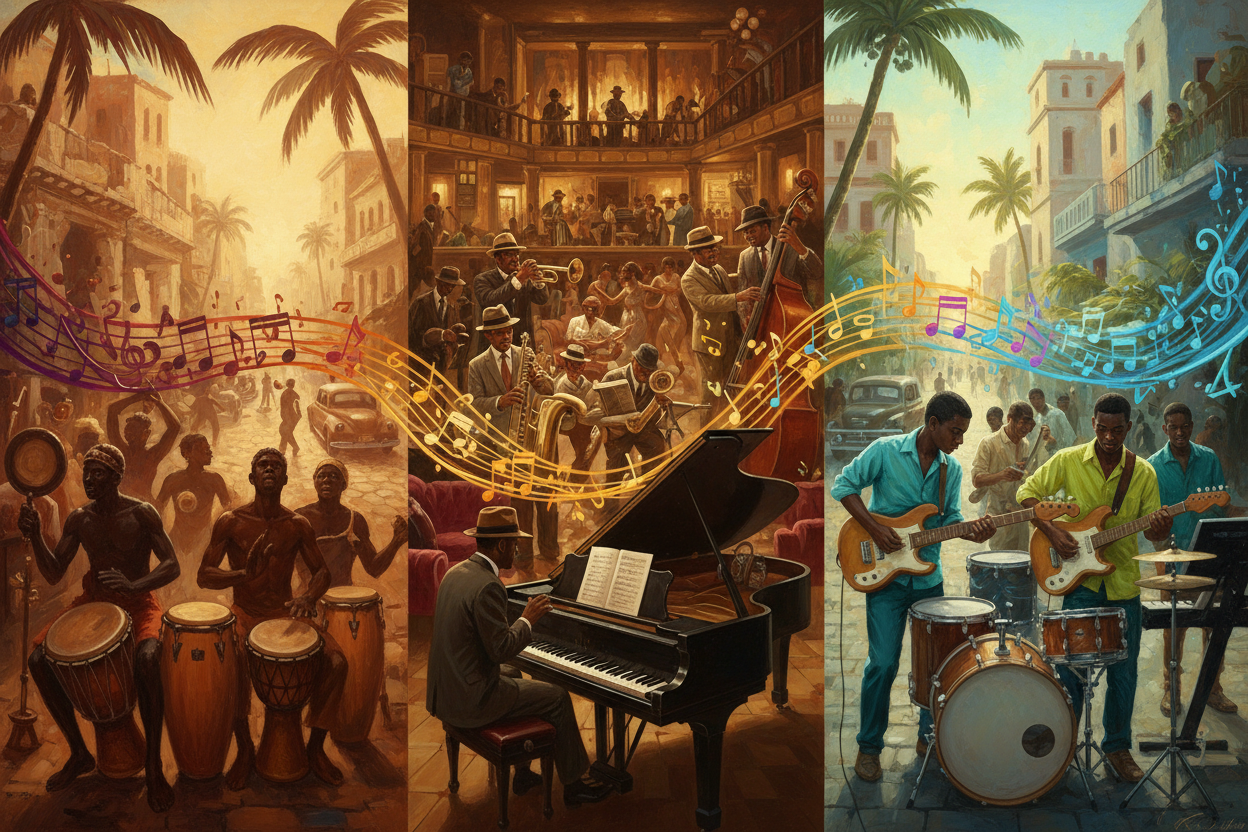
The story of Cuban jazz begins long before the first trumpet ever sounded in a Havana nightclub. It starts with the forced migration of African peoples to Cuba during the colonial period, bringing with them complex polyrhythmic traditions that would become the foundation of all Cuban music. These African musical elements – the call-and-response patterns, intricate percussion arrangements, and spiritual connections to rhythm – created the fertile ground where jazz would eventually take root.
When American jazz musicians began visiting Cuba in the early 20th century, they encountered something remarkable. Cuban musicians had already been experimenting with improvisation and syncopation in their own traditional forms like son, rumba, and danzón. The meeting of these two musical worlds created an explosive creative fusion that would revolutionize both Cuban and American music.
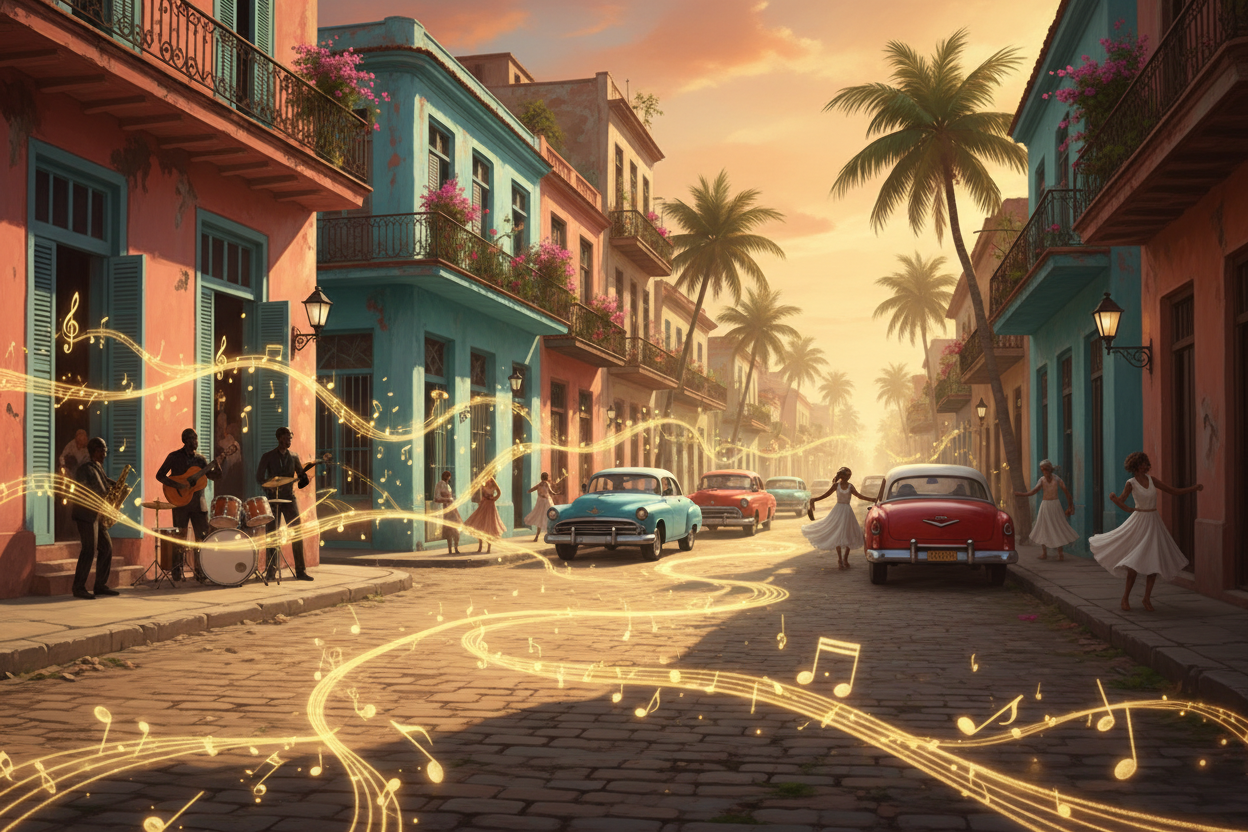
What makes Cuban jazz particularly fascinating is how it maintained its distinct identity while embracing jazz elements. Unlike other regions where American jazz simply replaced local traditions, Cuban musicians integrated jazz harmonies and improvisation techniques into their existing musical vocabulary, creating something that was unmistakably Cuban yet undeniably jazz.
The Golden Age: 1940s-1950s Cuban Jazz Scene
The 1940s and 1950s marked the golden age of Cuban jazz, when Havana rivaled New York as a center of musical innovation. During this period, the city’s nightlife was legendary, attracting musicians and music lovers from around the world. The famous Tropicana nightclub, along with countless smaller venues throughout Havana, provided stages where Cuban and American musicians collaborated and competed in friendly musical battles.
This era produced some of the most influential figures in Cuban jazz history. Benny Moré, known as “El Bárbaro del Ritmo” (The Barbarian of Rhythm), became a master of musical fusion, seamlessly blending jazz elements with traditional Cuban forms. His ability to improvise and his charismatic stage presence made him a bridge between traditional Cuban music and the emerging jazz scene.
Chano Pozo deserves special mention as a revolutionary figure who brought Afro-Cuban percussion to the forefront of jazz. His collaboration with Dizzy Gillespie in the late 1940s introduced authentic Cuban rhythms to American bebop, creating the foundation for what would become known as Afro-Cuban jazz or Latin jazz.
The tourist boom of this period also played a crucial role in Cuban jazz development. American visitors, including many musicians, came to Cuba seeking exotic experiences and musical inspiration. This cultural exchange enriched both musical traditions and established Cuba as an essential destination for jazz enthusiasts.
Revolution and Transformation: Jazz in Post-1959 Cuba
The Cuban Revolution of 1959 dramatically altered the island’s musical landscape, including its jazz scene. The new government’s cultural policies initially viewed jazz with suspicion, seeing it as a symbol of American cultural imperialism. Many prominent musicians left Cuba during this period, taking their talents to New York, Miami, and other international destinations.
However, this period of restriction also fostered incredible innovation within Cuba. Musicians who remained on the island developed new approaches to jazz that emphasized Cuban elements while maintaining the genre’s improvisational spirit. They created a more distinctly Cuban form of jazz that reflected the revolutionary ideals and cultural nationalism of the new Cuba.
The isolation from American musical influences forced Cuban jazz musicians to look inward, drawing more heavily on their African and Spanish musical heritage. This period saw the development of nueva trova, a musical movement that combined jazz harmonies with politically conscious lyrics and traditional Cuban rhythms.
Interestingly, the government’s emphasis on music education during this period created a generation of highly trained musicians. The establishment of music schools and conservatories throughout Cuba produced technically proficient players who brought new levels of sophistication to Cuban jazz.
Contemporary Cuban Jazz: Innovation Within Tradition
Today’s Cuban jazz scene represents a fascinating blend of preservation and innovation. Contemporary Cuban jazz musicians have access to global influences through increased travel and cultural exchange, yet they remain deeply rooted in their island’s musical traditions.
Modern Cuban jazz groups like Irakere, founded by Chucho Valdés, have achieved international recognition while maintaining their distinctly Cuban identity. These musicians seamlessly incorporate elements from salsa, funk, rock, and classical music into their jazz performances, creating a sound that is both contemporary and unmistakably Cuban.
The younger generation of Cuban jazz musicians faces unique challenges and opportunities. While they have greater access to international musical influences than previous generations, they also carry the responsibility of preserving and evolving Cuba’s rich musical heritage. Many of these artists are finding innovative ways to honor tradition while pushing creative boundaries.
Venues like the Jazz Café in Havana and smaller clubs throughout the island continue to nurture new talent and provide spaces for musical experimentation. These intimate settings allow visitors to experience Cuban jazz in its most authentic form, often featuring impromptu collaborations between established masters and emerging artists.
Experiencing Cuban Jazz as a Traveler
For travelers interested in experiencing Cuban jazz firsthand, the island offers numerous opportunities to witness this musical evolution in action. Havana remains the epicenter of Cuban jazz, with venues ranging from elegant hotel lounges to neighborhood bars where locals gather to hear their favorite musicians.
The annual Havana Jazz Festival, typically held in December, represents one of the best opportunities to experience the full spectrum of Cuban jazz. This event brings together musicians from across the island and around the world, creating a celebration of jazz that showcases both traditional and contemporary approaches to the genre.
Beyond formal venues, some of the most memorable Cuban jazz experiences happen spontaneously. Street musicians in Old Havana often demonstrate remarkable skill and creativity, and many are happy to share stories about their musical influences and experiences. These informal encounters provide insights into how jazz continues to evolve at the grassroots level in Cuba.
Visiting music schools and conservatories can also provide fascinating glimpses into how Cuban jazz traditions are being passed to new generations. Many institutions welcome respectful visitors and offer opportunities to observe classes or attend student performances.
The Global Impact of Cuban Jazz
Cuban jazz’s influence extends far beyond the island’s shores, shaping musical developments throughout Latin America and around the world. The rhythmic complexity and harmonic sophistication of Cuban jazz have influenced countless musicians and continue to inspire new generations of artists globally.
The Cuban diaspora has played a crucial role in spreading Cuban jazz internationally. Musicians who left Cuba during various periods of political upheaval brought their musical traditions to new audiences, creating vibrant Cuban jazz scenes in cities like Miami, New York, and Madrid.
Today, Cuban jazz continues to evolve through international collaborations and cultural exchanges. While political tensions have sometimes limited these interactions, music has often served as a bridge between Cuba and the outside world, demonstrating the universal language of jazz improvisation and creativity.
Cuban jazz has become a powerful symbol of cultural resilience and creativity. Despite political challenges, economic difficulties, and periods of isolation, Cuban musicians have maintained and developed their musical traditions, proving that artistic expression can thrive even under difficult circumstances. This resilience makes Cuban jazz not just a musical genre, but a testament to the human spirit’s ability to create beauty and meaning through art.
For travelers seeking to understand Cuba’s soul, exploring the evolution of Cuban jazz provides an essential key to unlocking the island’s cultural mysteries. From the African rhythms that form its foundation to the contemporary innovations that point toward its future, Cuban jazz tells the story of a people who have transformed every influence into something uniquely their own. Whether you’re listening to a master pianist in an elegant Havana hotel or discovering a young trumpet player in a neighborhood bar, you’re witnessing the continuation of one of the world’s most remarkable musical traditions – a living, breathing art form that embodies the very essence of Cuban creativity and resilience.